With the increasing demand for environmentally friendly, efficient, and automated derusting solutions, laser rust removal technology has become a main choice in the cleaning field by 2025, thanks to its eco-friendly and high-efficiency advantages. However, many people are unsure about the cost of a laser rust removal machine.
The cost of a laser rust remover in 2025 is not a simple question, as many factors influence its price. For example, the price of a laser rust remover from HANTENCNC can range from $2,600 to over $10,000. This article, Cost of Laser Rust Remover 2025, will break down market prices in 2025 to help you choose a cost-effective laser rust remover that suits your needs.
1. Advantages of Laser Rust Remover
1.1 Delivering a High-quality Surface Cleaning Level
Laser rust remover offer superior cleaning precision and cleanliness. The laser can be precisely focused, enabling the cleaning of complex contours, micropores, and hard-to-reach areas—achievements difficult with traditional methods.

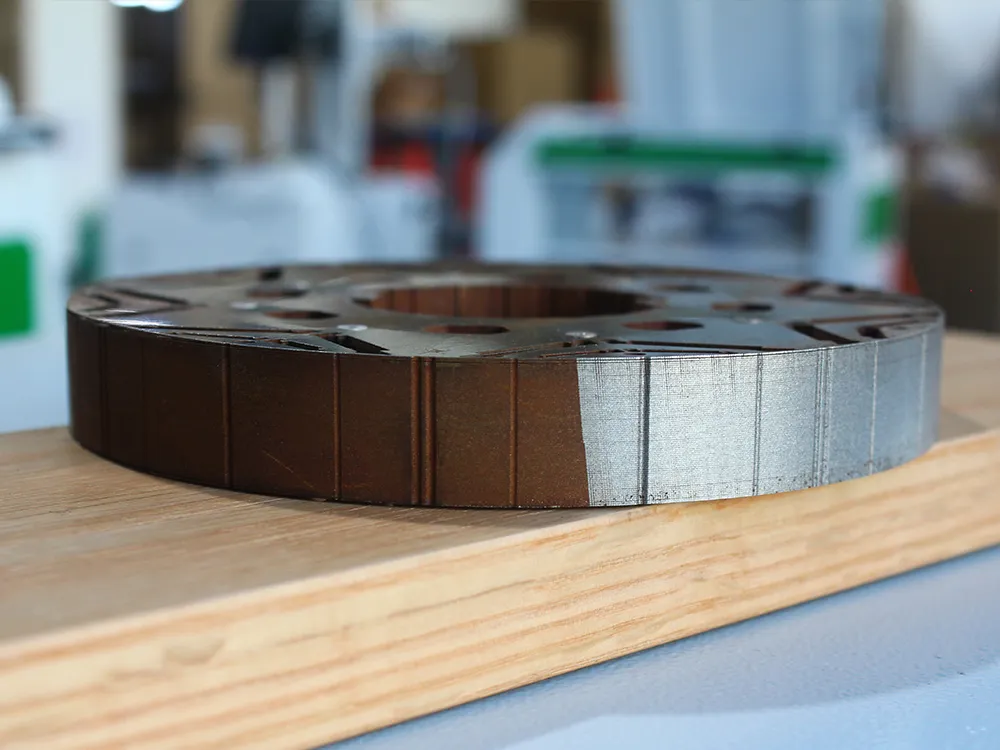
Take HANTENCNC’s laser cleaning machine as an example; its pulse laser rust remover is capable of delivering a high-quality surface cleaning level (Sa3), making it suitable for applications that require thorough and uniform removal of contaminants from metal surfaces.
As the following report shows, it can achieve the highest cleanliness level, Sa3, resulting in a “white” finish with no residual contaminants on the surface.


1.2 Suitable for Cleaning Precision Parts, Causing No Damage
During the cleaning process, the laser does not contact the workpiece surface, avoiding mechanical stress and preventing scratches to the substrate.
By precisely controlling laser parameters such as energy, pulse width, and power, laser rust remover removes only the rust while completely preserving the underlying metallic material, which is crucial for processing valuable or precision components.
1.3 Green and environmentally friendly, with no chemical pollution
The laser rust remover removes rust without using any chemical solvents, acids, or abrasives. Contaminants are vaporized or removed instantly, thus generating no harmful chemical waste. Laser rust removal is an environmentally friendly option that avoids the potential corrosion of materials caused by chemical cleaning.

We’ve briefly discussed the advantages of laser rust remover above, but everything has two sides. You can read another article on the HANTENCNC blog to learn more about its disadvantages.
Advantages and Disadvantages of Laser Cleaning Machines
Laser cleaning is a modern method for treating material surfaces by using high heat to...
Jan
2. Cost of Laser Rust Remover 2025
In this section, we’ll begin by introducing two types of laser rust removers: pulse laser rust removers and continuous laser rust removers, and then discuss the cost of laser rust removers.
2.1 Costs of Continuous Laser Rust Removers 2025
Currently, laser rust removers use two types of lasers: continuous lasers and pulsed laser cleaning machines.
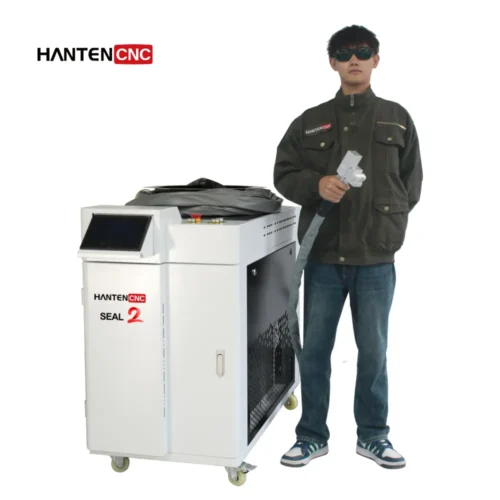
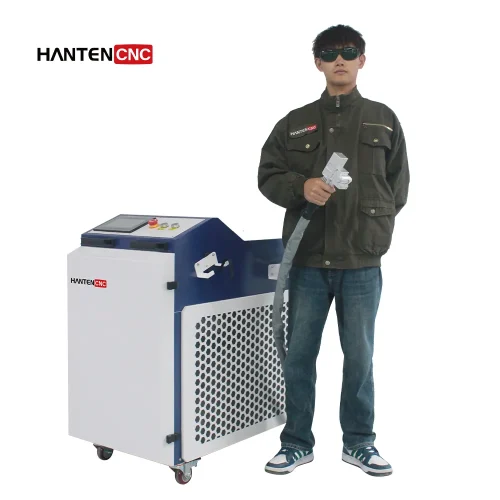
Continuous laser rust removers use continuous lasers and are well-suited for removing large areas of heavy rust, making them ideal for large industrial environments where efficiency is paramount.
Generally, continuous laser rust removers are less expensive than pulse laser rust removers. Here are the prices for HANTENCNC’s continuous laser rust removers:
1500W continuous laser rust remover: USD $2,400 – USD $4,500
2000W continuous laser rust remover: USD $3,600 – USD $5,300
3000W continuous laser rust remover: USD $4,800 – USD $6,500
6000W continuous laser rust remover: USD $14,500 – USD $24,200
The price falls within a floating range, primarily determined by the brands of the continuous laser unit and its corresponding cleaning head.
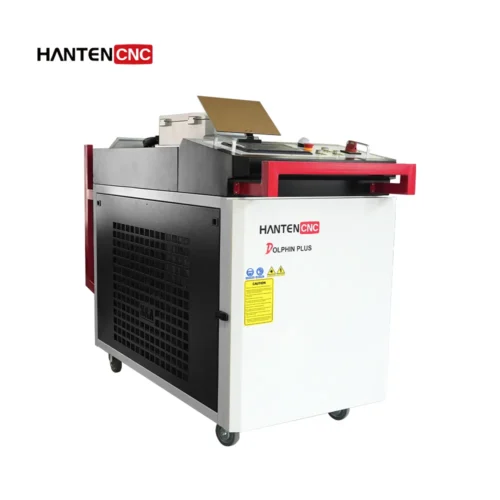
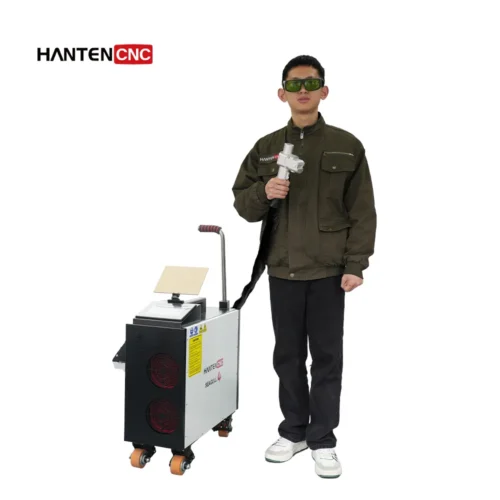

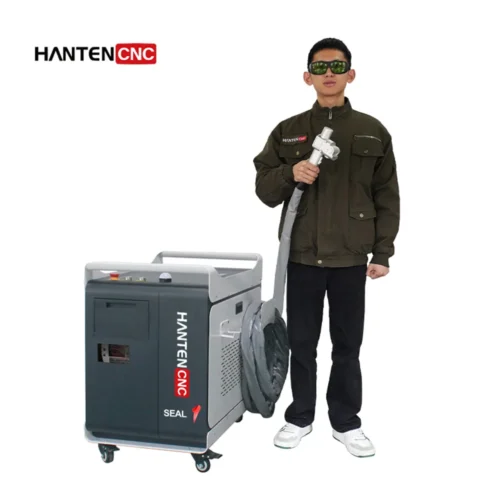

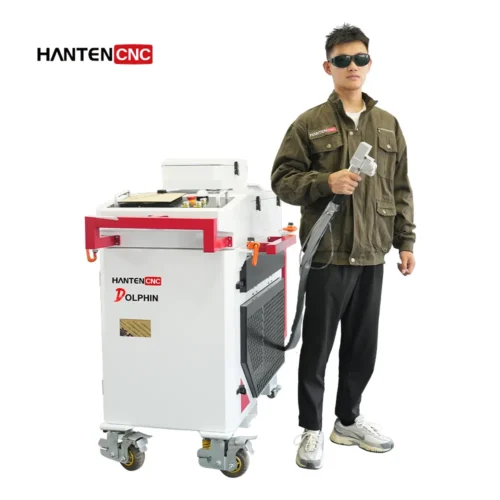



2.2 Costs of Pulse Laser Rust Removers 2025
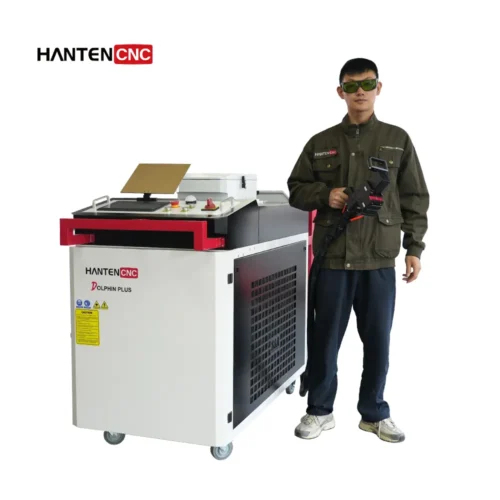
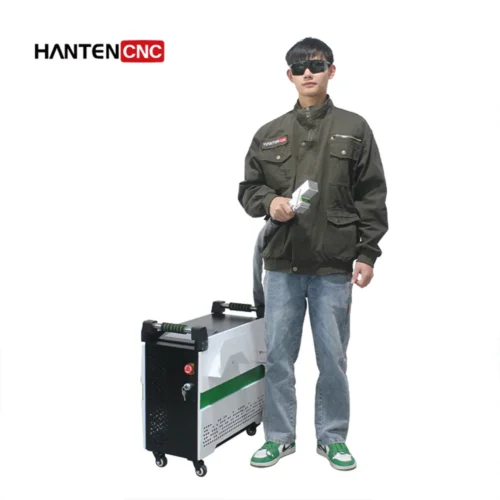
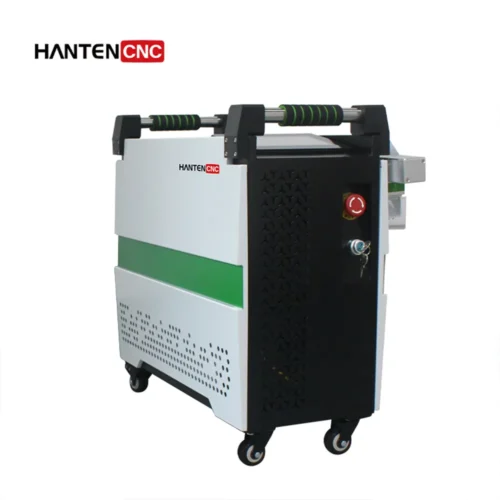
Pulse laser rust removers use pulse lasers, they are suitable for precision rust removal, particularly for delicate components and industries where non-damage to the substrate is a concern.
Pulsed laser rust removers are significantly more expensive than continuous laser rust removers. Below are the prices for HANTENCNC’s pulsed laser cleaning machines:
200W pulse laser rust remover: USD $5,400 – USD $9,700
300W pulse laser rust remover: USD $8,500 – USD $13,200
500W pulse laser rust remover: USD $19,500 – USD $28,500
1000W pulse laser rust remover: USD $32,000 – USD $48,000
2000W pulse laser rust remover: USD $103,000


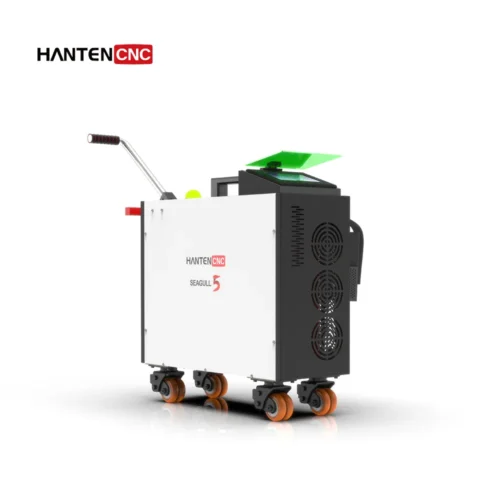

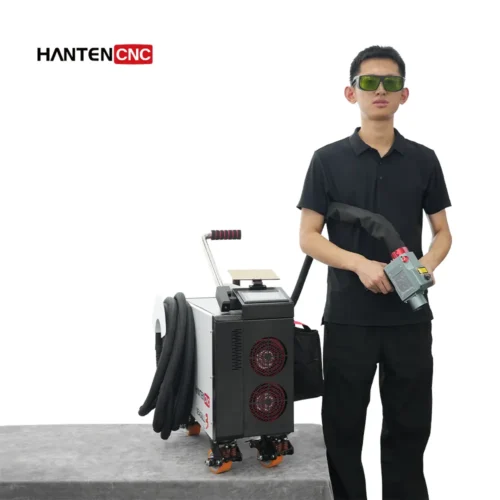
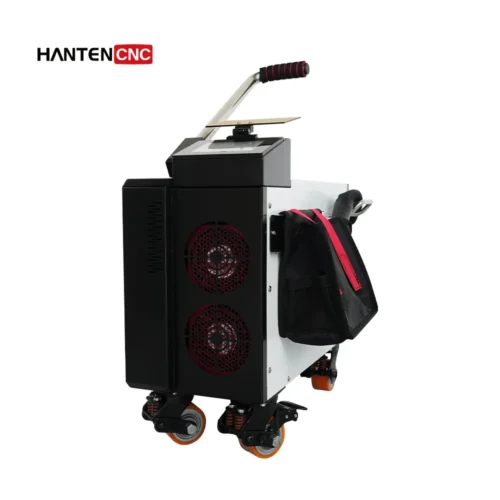
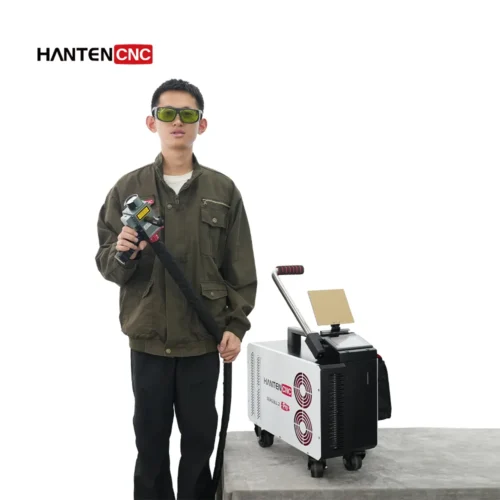

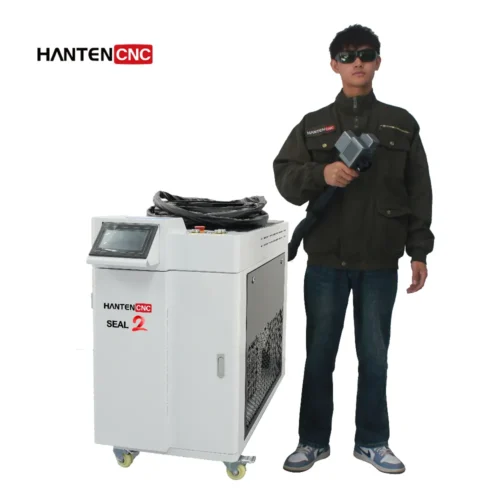

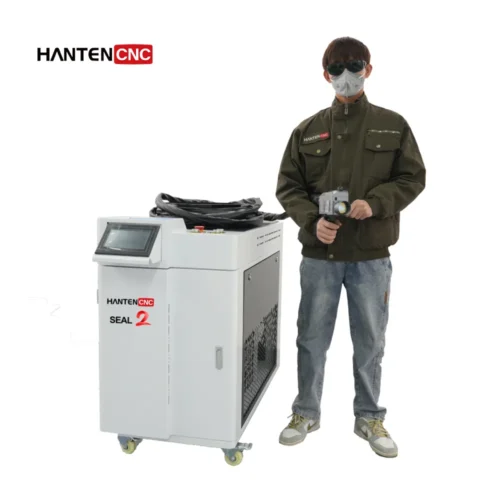


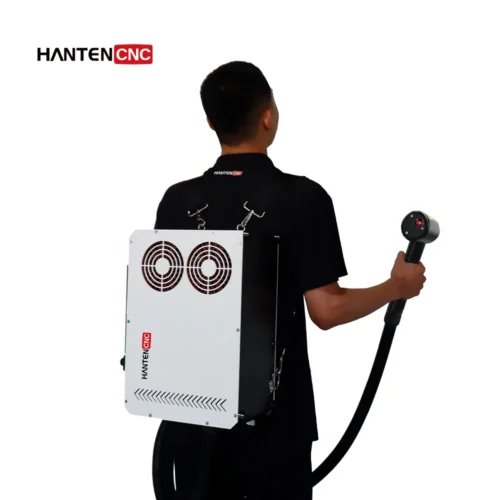
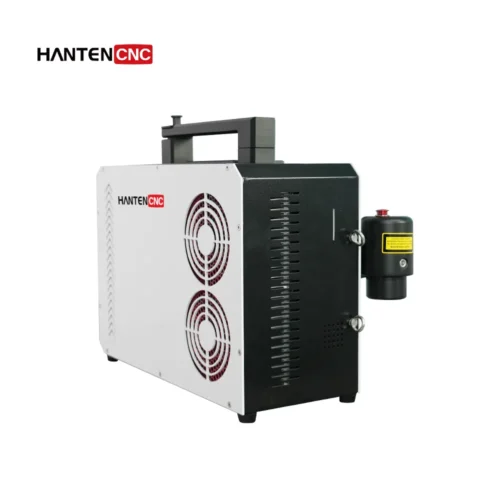
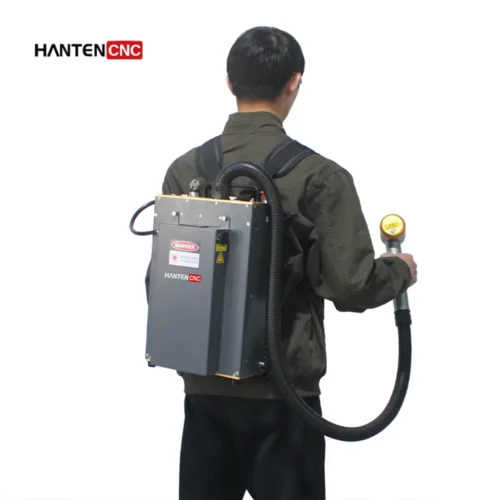
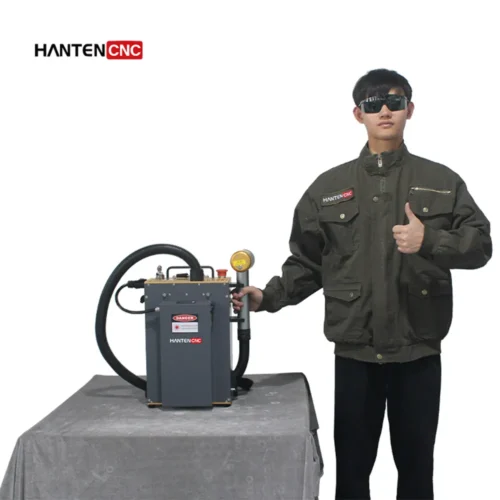


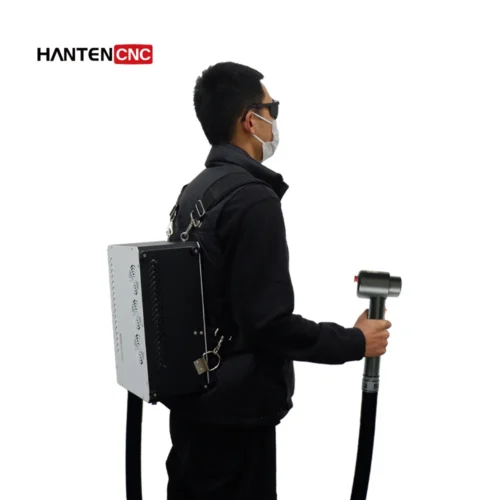
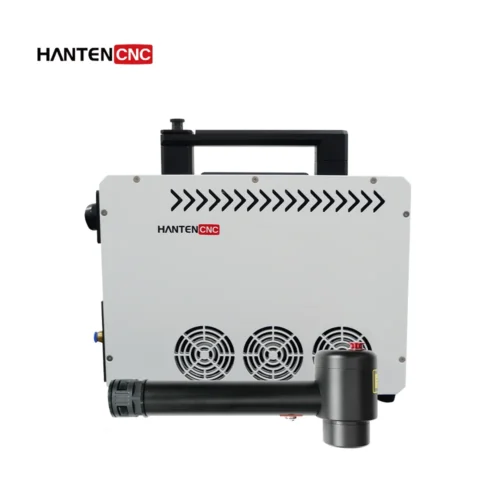


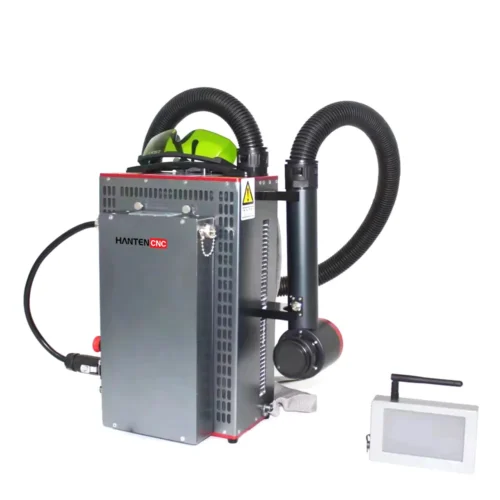
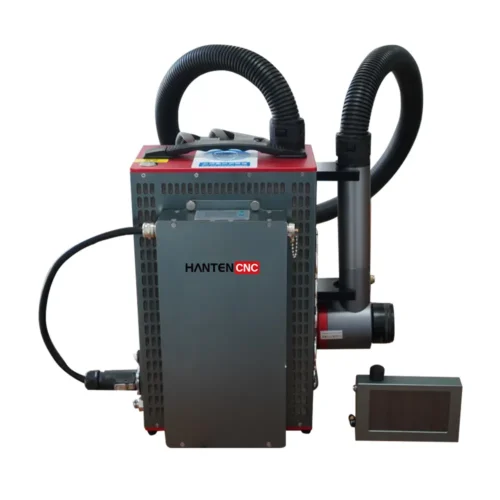
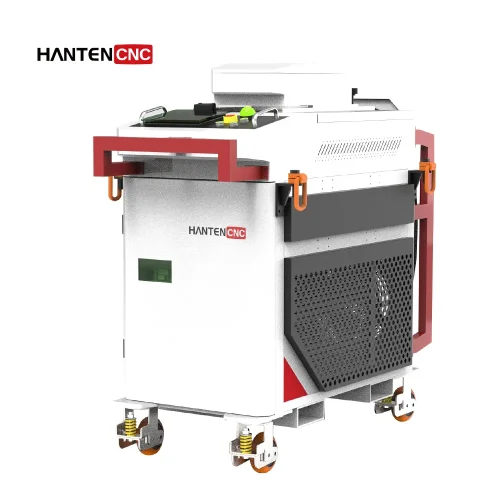
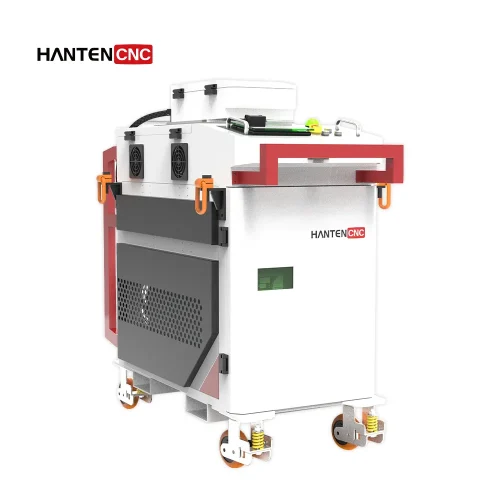
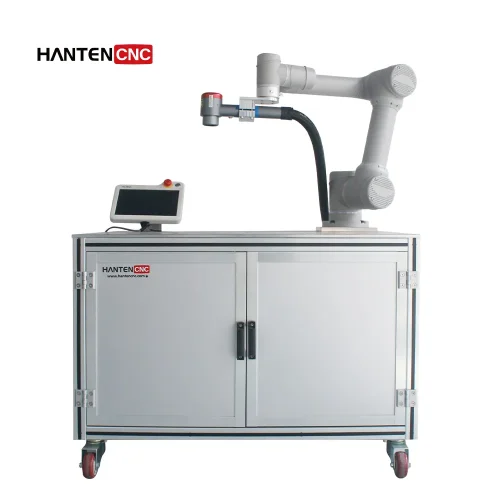
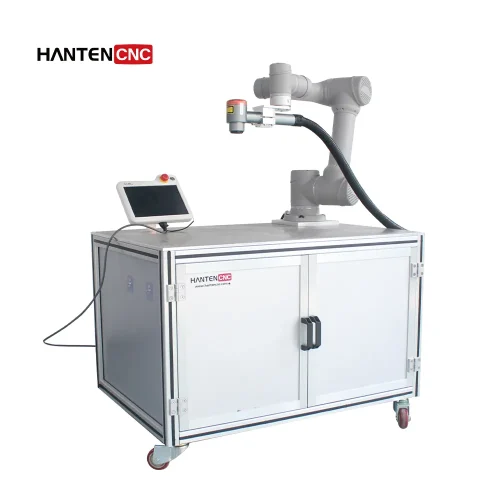
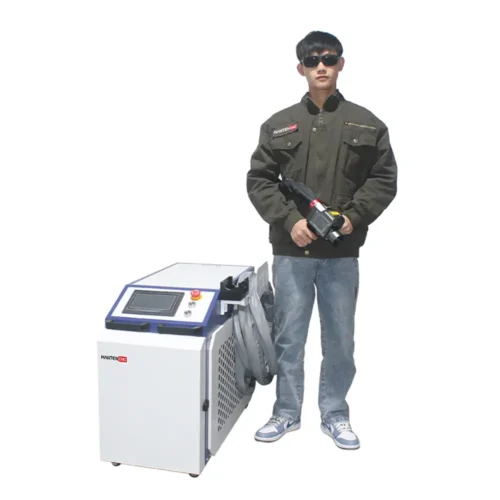
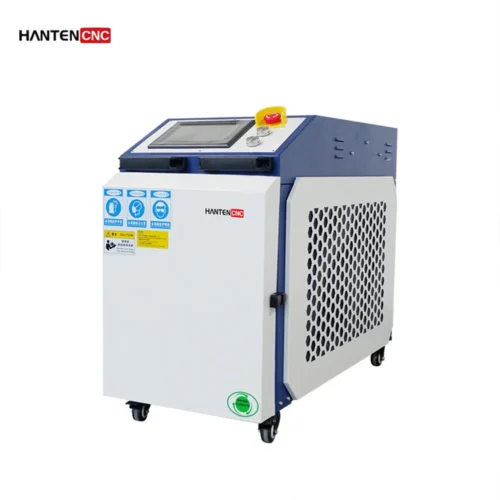
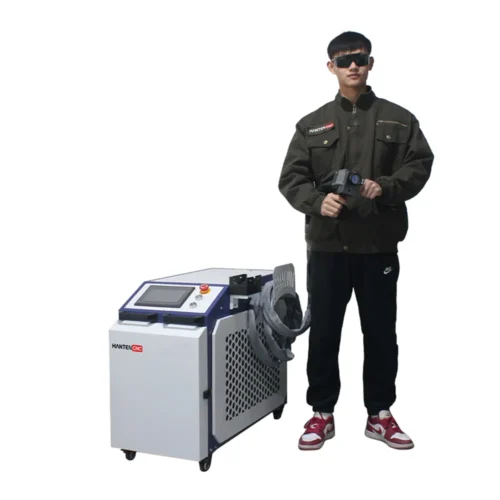
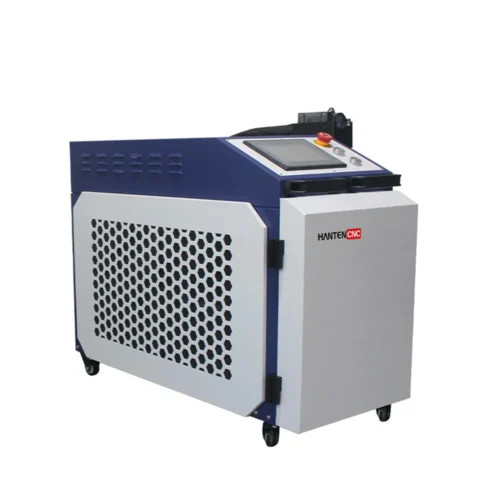
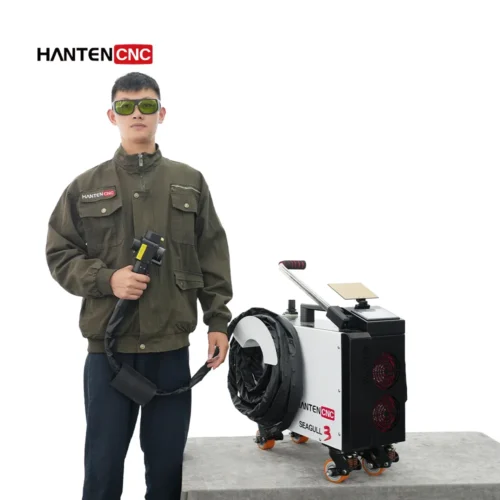

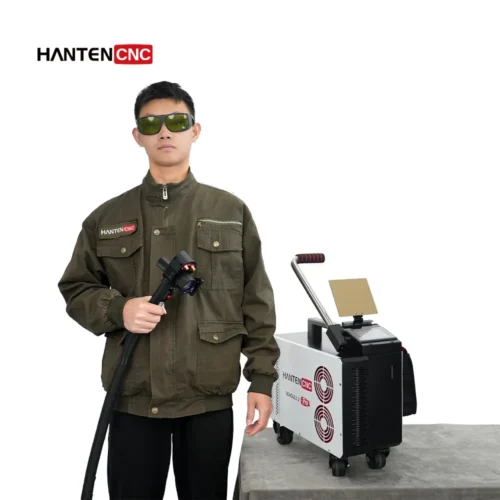
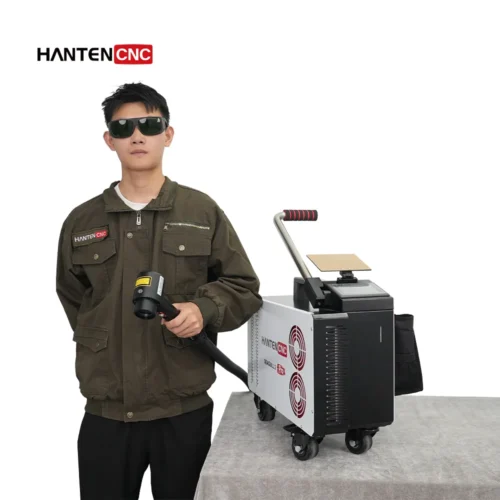

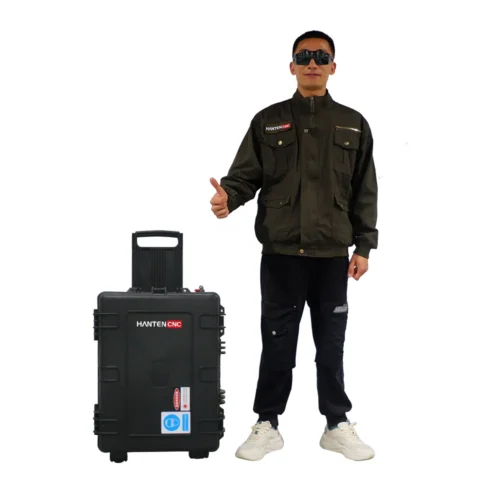
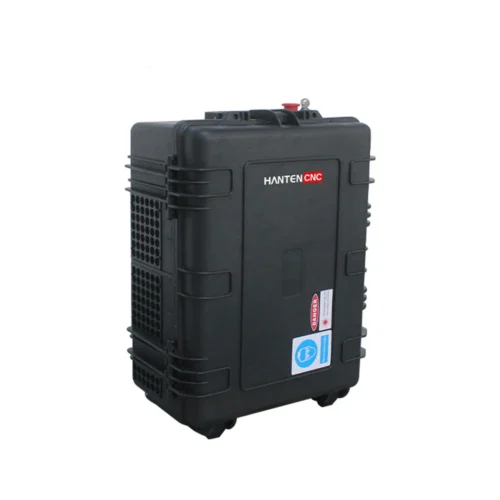
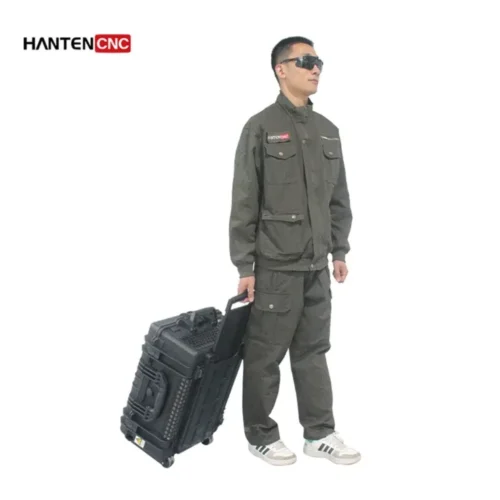
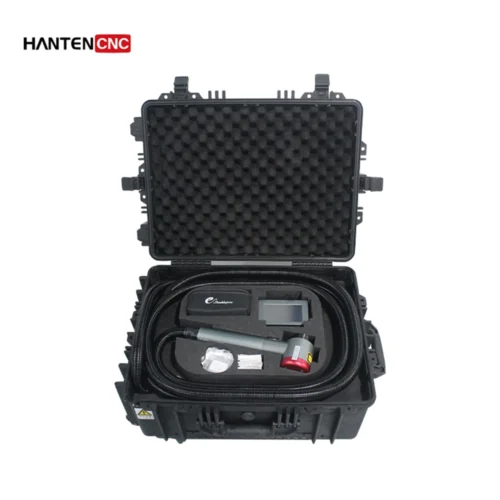
These price ranges for pulsed laser rust removers of different power levels are determined by the laser, the laser brand, and the maximum pulse energy (1.5mJ/2MJ/5MJ/15MJ) of each machine. Generally speaking, the higher the maximum pulse energy of a pulsed laser, the more expensive it is.
3. Factors Affecting the Cost of Laser Rust Remover
The primary factors influencing the price of laser rust remover are the type of laser, maximum pulse energy, power level, and the type of cleaning head.
3.1 Type of Laser: Continuous vs. Pulse
The largest price difference is due to the type of laser used.
Continuous laser rust removers are more affordable and ideal for removing thick rust or paint layers over large areas. They operate with a steady beam and are highly efficient in heavy-duty industrial applications.
Pulse laser rust removers, are designed for precision cleaning. They deliver high peak power in short bursts, effectively removing contaminants without damaging the base material. These pulse laser rust removers are ideal for delicate surfaces, such as molds, artwork, or aerospace components—but they are also considerably more expensive.
3.2 Laser Power Level
The power level, measured in watts, directly affects the cleaning efficiency and cost.
Higher-power laser cleaning machines, such as 3000W or 6000W continuous lasers, can handle thicker rust and larger areas, reducing cleaning time but increasing costs.
For pulse lasers, higher power often means greater pulse energy and a faster cleaning speed; however, it also raises the price.
3.3 Maximum Pulse Energy
Pulse energy refers to the energy produced by each laser pulse, which is produced by each laser pulse, usually measured in millijoules (mJ).
Larger pulse energy means more energy per pulse. For example, 1.5 mj means that each pulse carries 1.5 millijoules of energy. Higher pulse energy implies more heat but lower peak power, indicating a longer pulse duration.
Machines with higher pulse energy are more expensive.
3.4 Laser Brand and Core Components
The brand of the laser source plays a crucial role in the cost of laser rust remover. Well-known brands like IPG, Raycus, JPT, or Maxphotonics typically offer higher beam quality, longer lifespan, and better stability—but at a higher cost.
Other core components also influence the price, including:
The cleaning head: its optical design and focus stability,
The control system: for precision and safety,
The cooling system: water-cooled or air-cooled, depending on power.
3.6 Machine Design and Portability
Compact and portable models, such as handheld laser rust removers, usually cost less than robotic or automated systems.
Additionally, machines with robotic arms, automatic scanning heads, or integrated safety enclosures are more expensive due to their enhanced automation and safety features.