
Laser welding machines, with their advantages of efficient and precise welding, have gradually become essential tools in industrial production. However, like any technology, every technology has its drawbacks. While laser welding machines offer high efficiency and high-quality welding, they also come with certain limitations. Let’s take a look at the advantages and disadvantages of laser welding machines.
1. What is Laser Welding Machine?
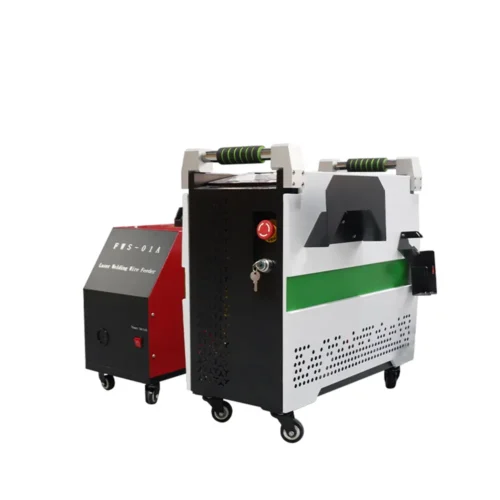
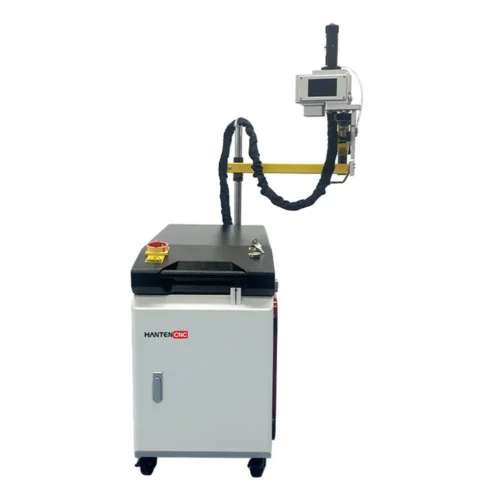
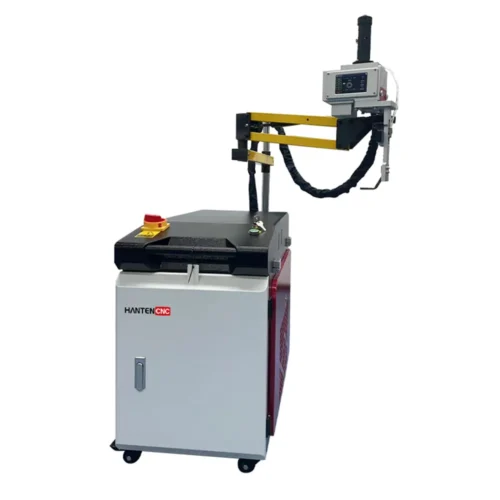
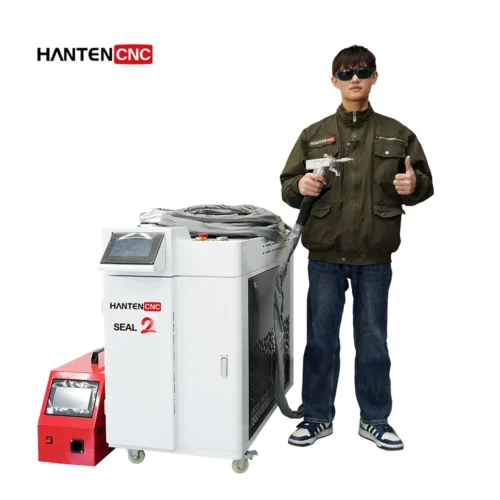
A laser welding machine is a welding device that utilizes a high-energy laser beam for material processing. By focusing the laser to heat the material and form a molten pool, laser welding offers advantages such as high welding speed, minimal heat-affected zone, low deformation, and high precision. It is particularly suitable for welding thin-walled materials and precision components.
Standard fiber laser welding machines are applicable to a wide range of materials, including carbon steel, stainless steel, alloy steel, titanium, nickel, copper, aluminum, and their alloys. They are also suitable for welding different types of metals, including dissimilar metals.

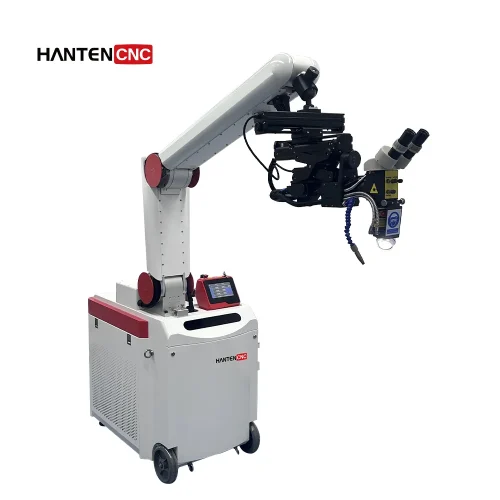
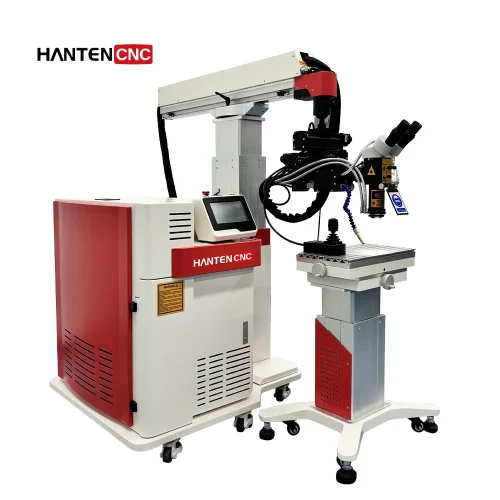
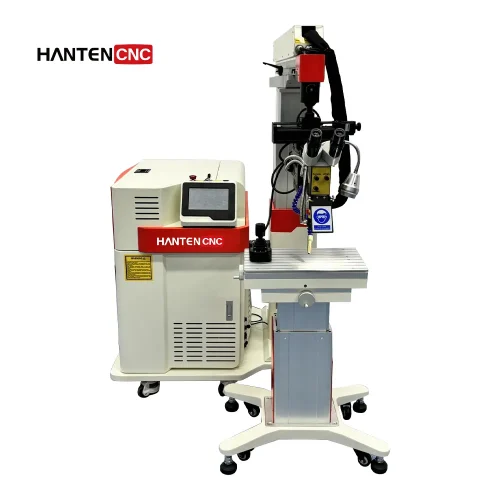
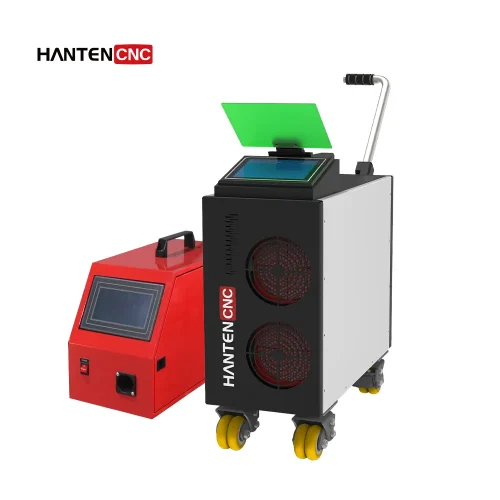



2. Classification of Laser Welding Machines
2.1 By Level of Automation
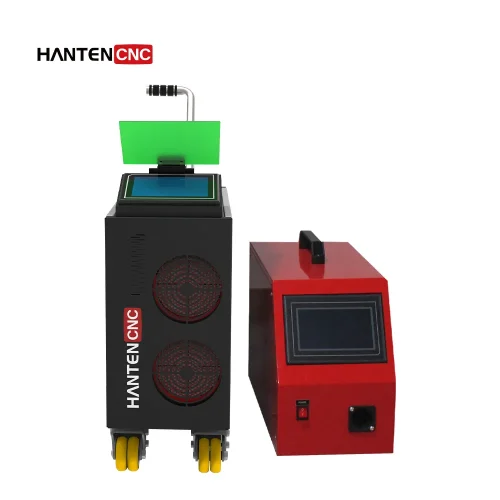
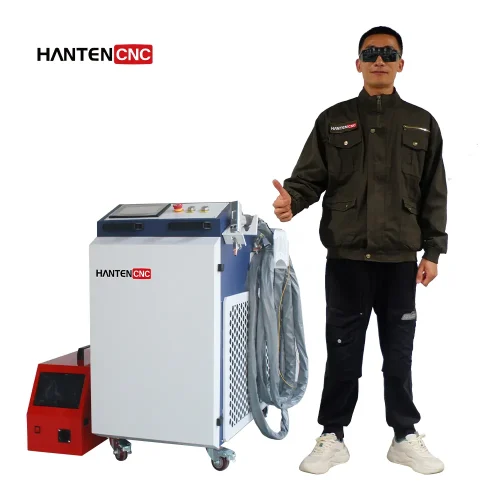
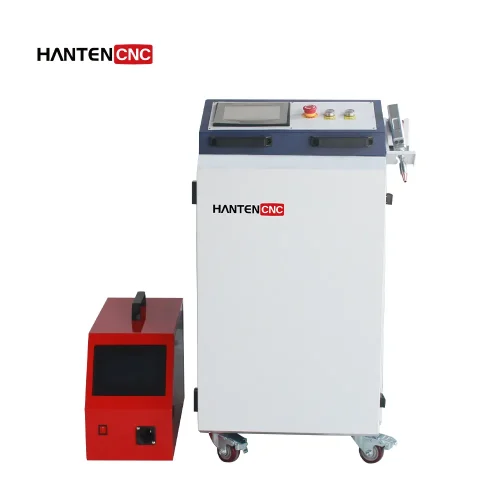
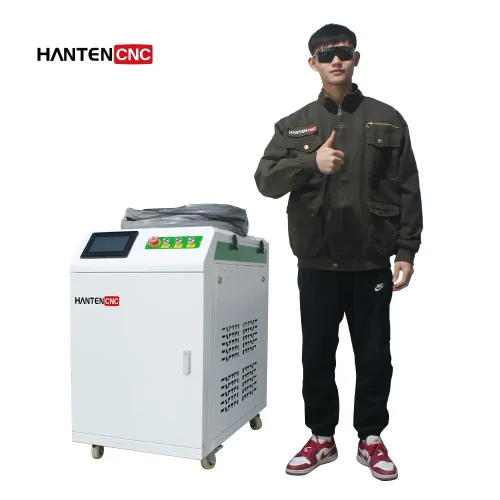
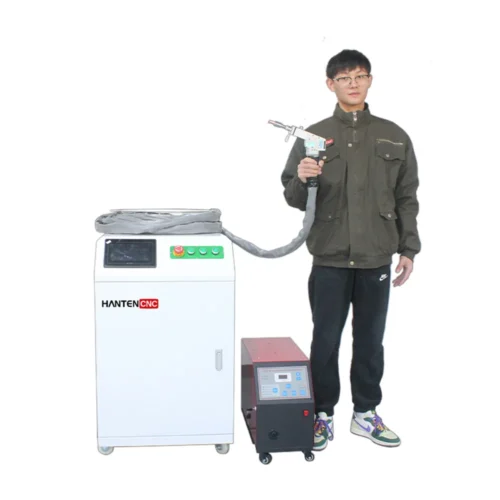
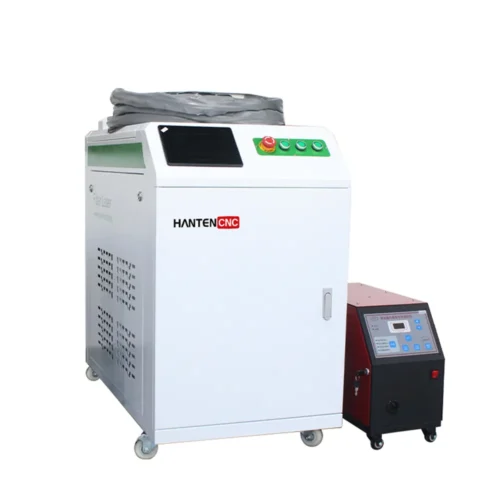
Laser welding machines can be categorized into handheld, automatic, mold repair, and galvanometer laser welding machines.
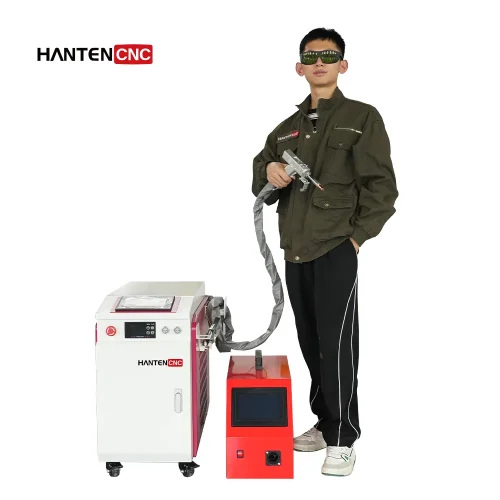
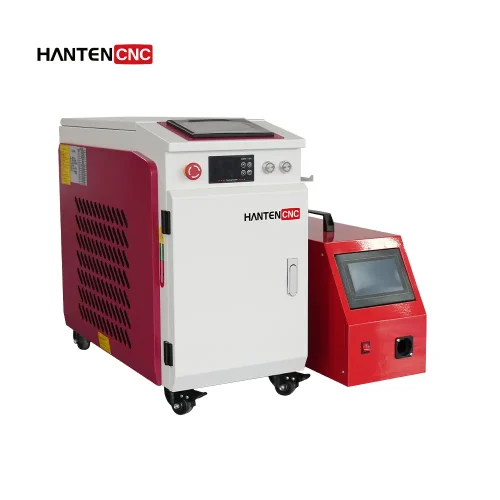
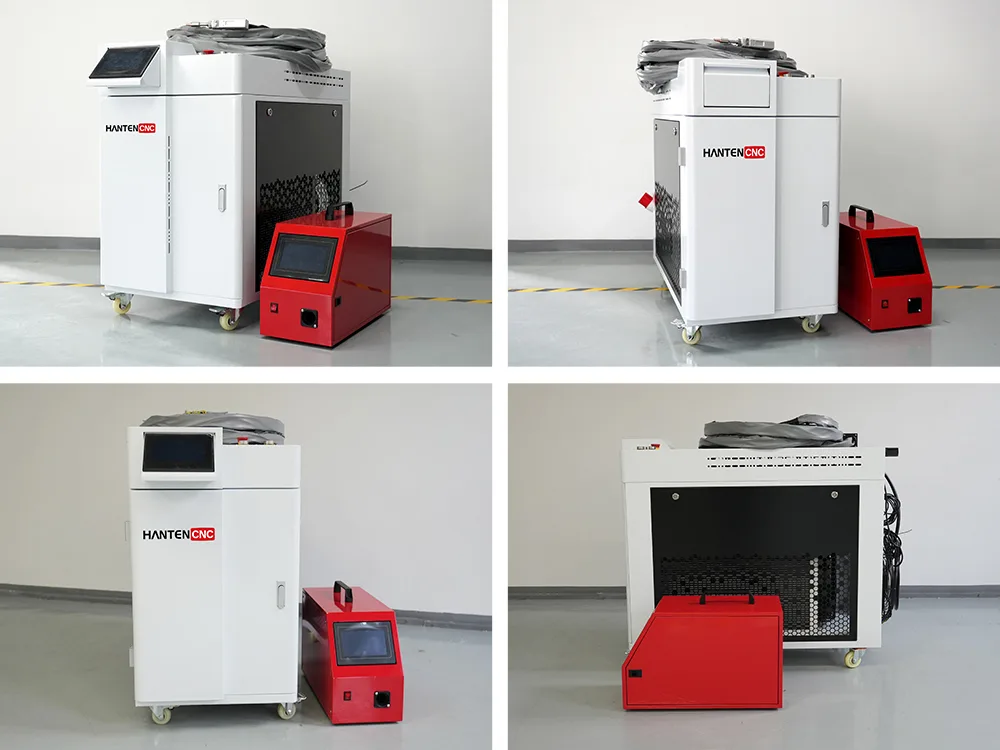
Handheld Laser Welding Machine
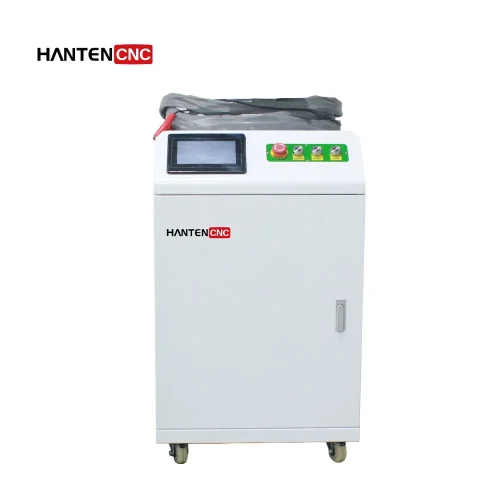
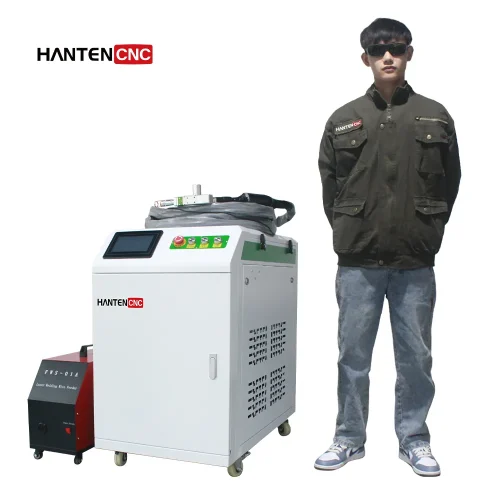
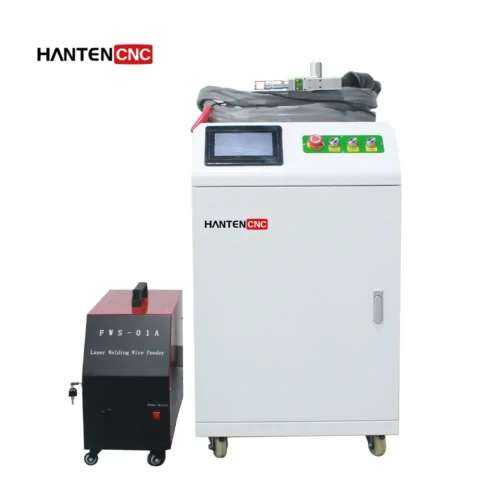
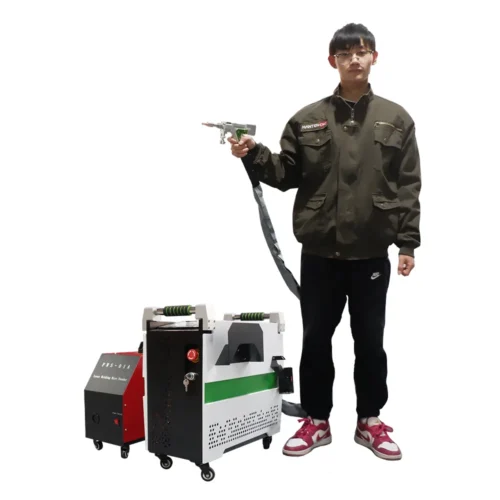
Featuring high operational flexibility, handheld laser welding machine is suitable for welding large components, non-standard small-batch metal welding, stainless steel joints, and various on-site repair or small-scale production tasks.
Typical applications include pipeline welding and other scenarios requiring flexible operation.
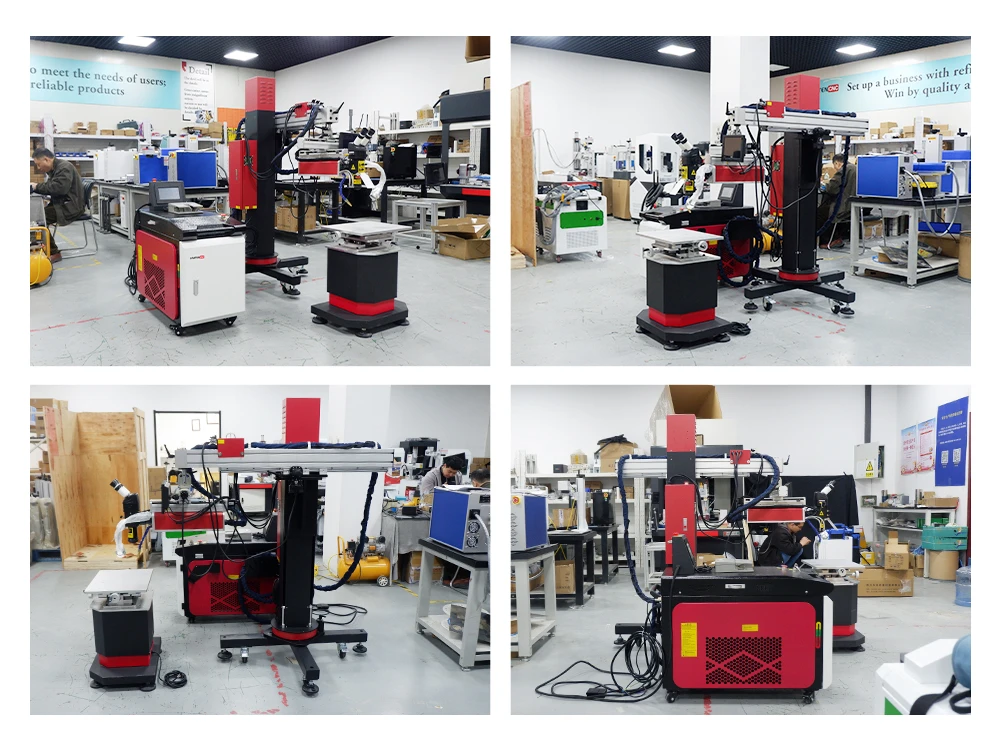
Mold Repair Laser Welding Machine
Laser welding machine for mold provides deep penetration, strong bonding, and full melting of the weld zone, ensuring welds free of porosity or shrinkage cavities, with smooth and neat repair seams.
It is well-suited for repairing and restoring damaged molds and a variety of metal products.
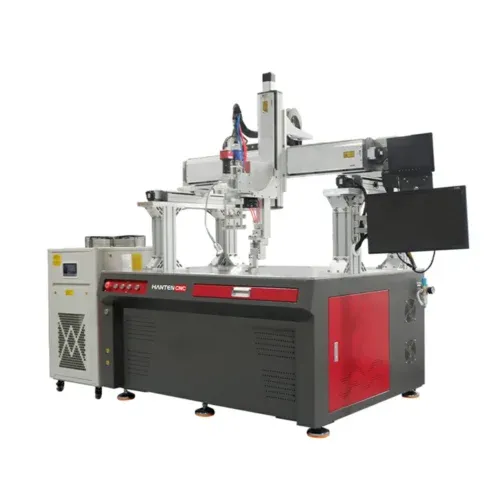
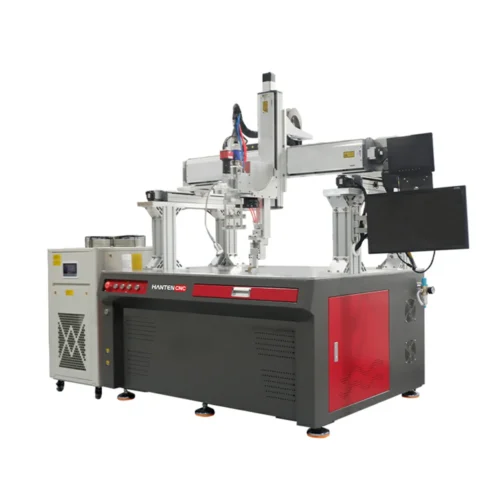
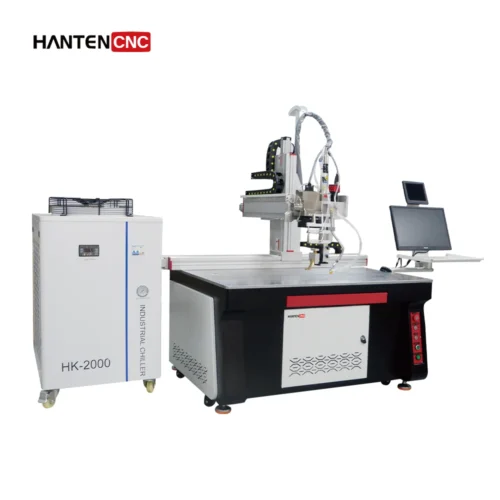
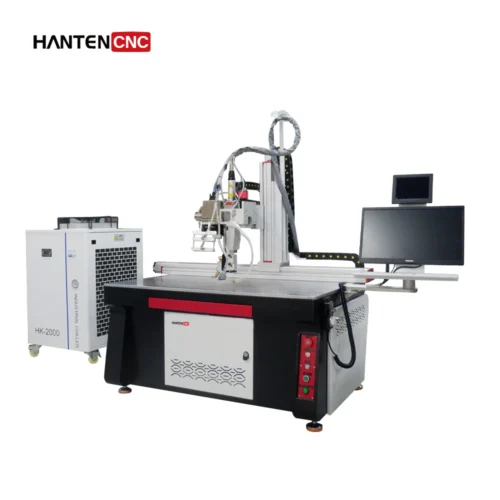
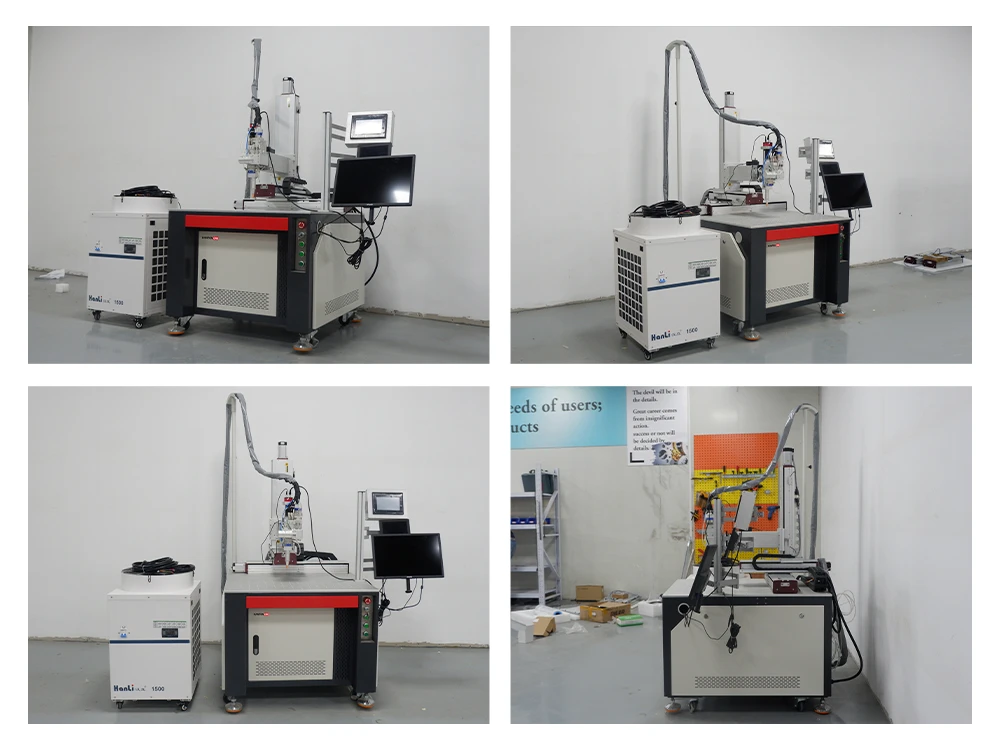
Automatic Laser Welding Machine
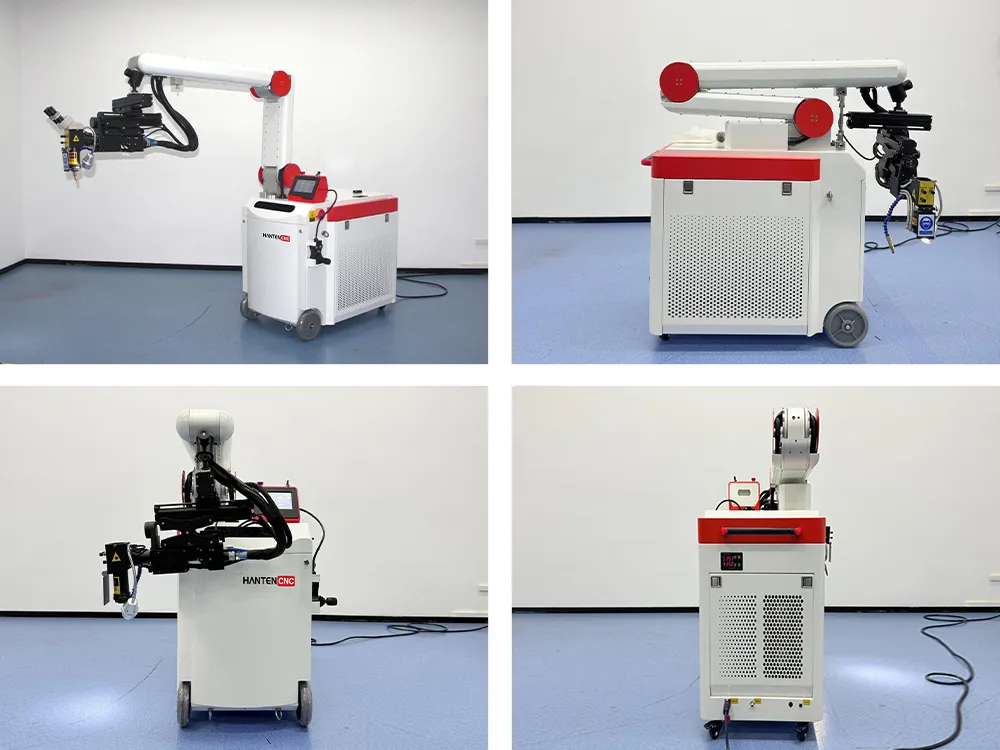
For example, gantry-type laser welders provide a high degree of motion freedom, enabling complex three-dimensional trajectory welding. Automatic laser welding is widely applied to structural parts with intricate geometries, such as molds and enclosures.
In addition, automatic laser welding machines can be integrated with robotic arms to achieve even more complex motion paths, significantly enhancing welding consistency.
Galvanometer Laser Welding Machine
The core technology lies in the high-speed scanning galvanometer, which enables ultra-fast laser beam movement through the rapid deflection of internal mirrors. This type of machine features high efficiency, density, flexibility, automation, and integration.
Galvanometer laser welding machine is commonly used in automated production lines and is ideal for fast, precise, fully automated welding of flat surfaces or shallow three-dimensional parts, such as lithium battery welding. Since galvanometer welding does not rely on coaxial nozzles, it achieves true non-contact welding, allowing the laser to penetrate extremely fine gaps directly.

2.2 By Cooling Method
Laser welding machines can also be classified into water-cooled and air-cooled types, each suited to different applications:
Water-Cooled Laser Welding Machine
As the earlier and most widely used cooling method, water cooling laser welding machine is mainly applied to high-power welding. With superior heat dissipation, it ensures stable performance during long-term, high-power continuous operation.
It is typically used in thick plate welding, large structural component welding, and industrial applications that demand high strength and reliability.
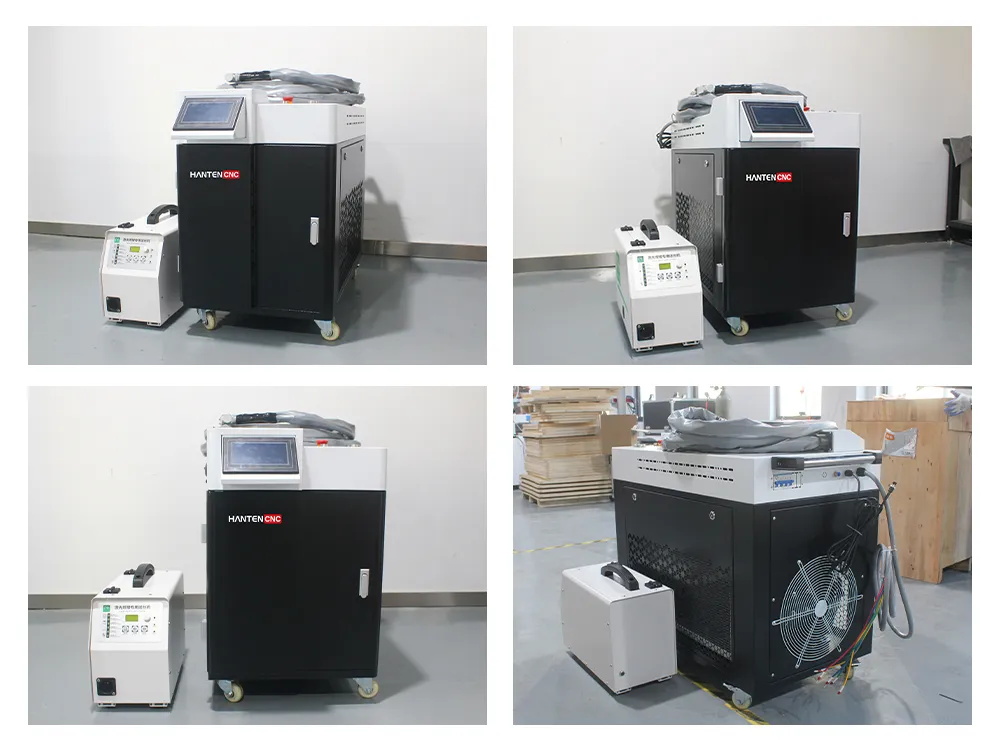
Air-Cooled Laser Welding Machine
As an iterative advancement of water-cooled models, this type integrates the latest generation of continuous-wave air-cooled laser sources and QCW (quasi-continuous wave) laser sources.
Unlike water-cooled systems, it eliminates the need for an external chiller, resulting in a smaller, lighter, and more portable design. Air-cooled laser welding machines are particularly suitable for low-temperature environments, avoiding risks of freezing-related failures.
Their mobility makes them ideal for deployment across different workshop areas or for portable field applications such as repair services, outdoor construction, and production scenarios requiring high flexibility.

QCW Laser Welding Machine
QCW laser welding machine is quasi-continuous wave laser welding machine, it is widely adopted in industries demanding exceptionally high welding quality, with medical device manufacturing as a prime example. QCW welding produces fine seams with minimal visible marks, retaining the natural metallic finish and creating a smooth, refined appearance.
This technology not only meets the medical industry’s strict requirements for precision and non-destructive welding but is also applicable in electronics, precision instruments, and high-end consumer products, where both aesthetics and stability of welds are critical.
3. Advantages of Laser Welding Machines
compared to traditional methods, laser welding machines excel in quality, speed, precision, and stability, making them perfect for applications that require high accuracy and reliability. Here follows the advantages of laser welding machines:
3.1 High Welding Quality
Laser welding machines produce smooth, aesthetically pleasing seams with excellent weld quality. Handheld welding heads are available in two types: single-swing and dual-swing.
-
The single-swing head supports only straight-line welding, making it suitable for thin-sheet applications. It can weld plates as thin as 0.5 mm, but performance decreases with thicker plates, where incomplete penetration may occur.
-
The dual-swing head uses a wide-bead scanning approach and can weld sheets as thin as 0.3 mm. During welding, the laser energy is distributed in a small arc pattern, effectively “stirring” the energy within the seam. This minimizes porosity and significantly improves weld density and stability.

Single Pendulum VS Double Pendulum Welding
Single-pendulum and double-pendulum welding are widely used welding techniques. Both are advanced forms among other...
Jun
3.2 High Welding Speed and Efficiency
Compared with traditionally welding methods, laser welding is faster. Typical welding speeds range from 0.1 – 5 m/min. For instance, when welding stainless steel or aluminum sheets of 0.5 – 3 mm thickness, a fiber laser welder can operate at speeds of several hundred centimeters per minute. Moreover, higher-power machines (1500W, 2000W, 3000W, and above) can achieve even greater speeds, as increased power directly enhances welding efficiency.
3.3 High Welding Precision
The laser beam can be precisely focused onto a small area, enabling the welding of miniature, closely spaced components with seam widths of just 0.2 – 1 mm. Advanced CCD systems can also be integrated for real-time monitoring of the welding process, enhancing process control and ensuring accuracy in narrow spaces or complex joint geometries.
Precision is further reflected in fine control: laser welding machines allow accurate adjustment of power and penetration depth, making them ideal for thin materials and micro-welding applications.
3.4 Minimal Deformation
Laser welding minimizes heat input to the lowest necessary level, resulting in a small heat-affected zone and negligible deformation from thermal conduction. The energy concentration ensures smooth, spatter-free welds with minimal distortion.
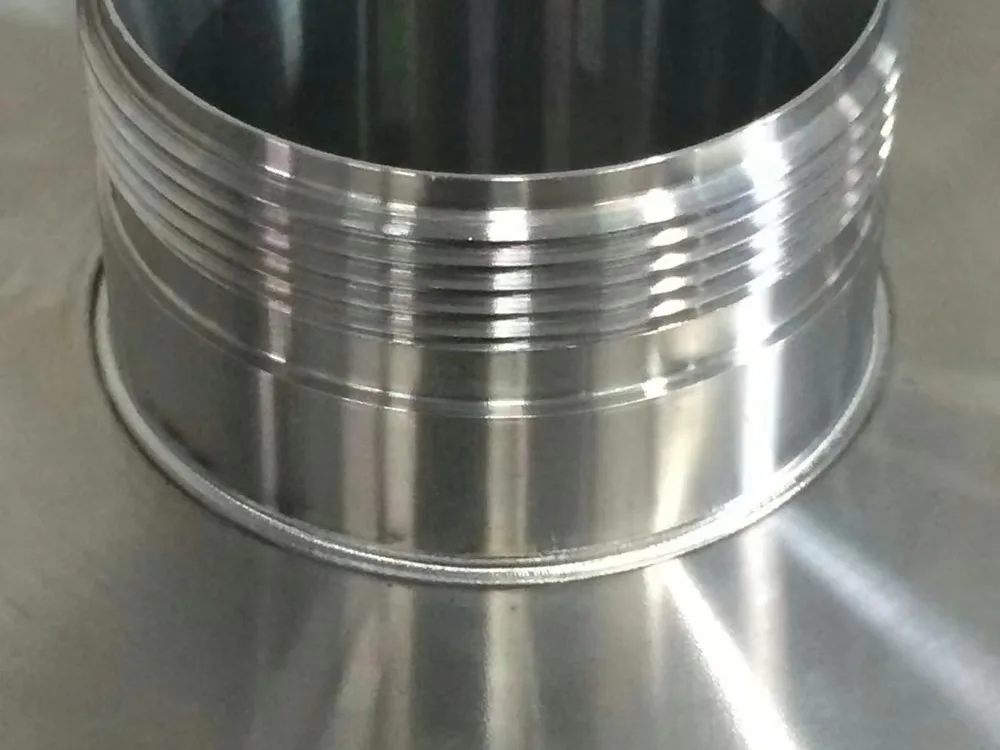
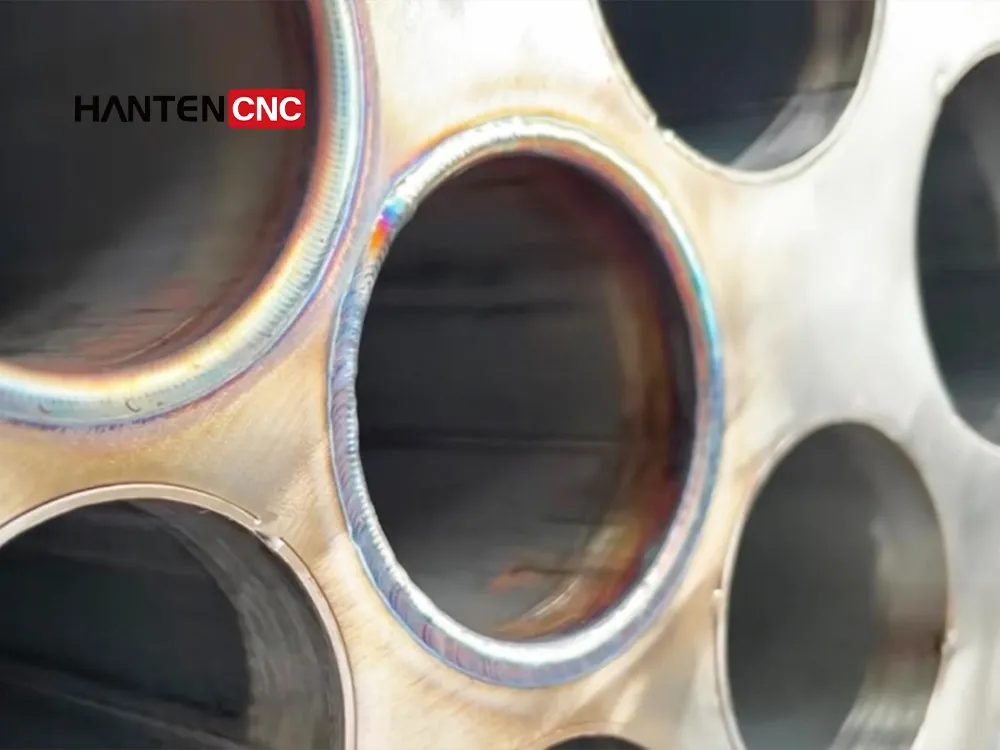
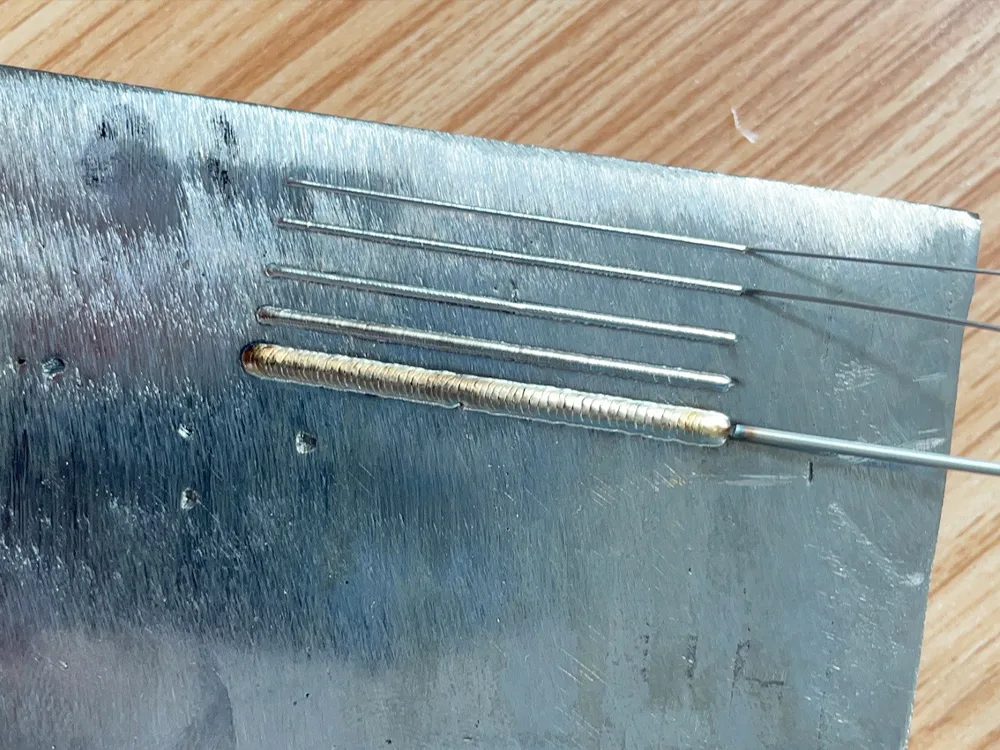
This greatly reduces or even eliminates the need for labor-intensive post-processing steps such as grinding and straightening, shortening production cycles.
For thin sheets (0.5–2 mm), laser welding achieves deformation-free seams.
With the use of inert shielding gas, stainless steel welds remain free of discoloration, often replacing traditional TIG welding.
Since inert gases can be costly, HANTENCNC has also developed a compact nitrogen generator that can be paired with laser welders, offering both convenience and cost savings.


3.5 Low Technical Threshold
With increasingly user-friendly designs, modern laser welding machines are easy to operate. Unlike TIG welding and other traditional methods, they do not require certified welders.
Training costs are minimal—operators can quickly become proficient with only simple instruction manuals or video tutorials. This greatly lowers the entry barrier for use.
3.6 Easy Automation, Suitable for Mass Production
Laser welding machines are not only compatible with automation but have already become the standard technology for large-scale automated production in many high-end manufacturing fields.
Combining speed, precision, quality, and automation, they are a powerful tool for achieving efficient, intelligent, and flexible manufacturing.
For businesses targeting large-scale, high-quality, and highly consistent production, investing in an automated laser welding system is a wise choice.
4. Disadvantages of Laser Welding Machines
4.1 Limited Welding Thickness – Suitable Mainly for Thin Plates
The maximum weldable thickness depends on the machine’s power:
-
1500W laser welder: up to approx. 4.5 mm steel plates.
-
3000W laser welder: up to approx. 8 mm steel plates.
-
6000W laser welder: maximum penetration depth of about 12 mm in carbon steel. Beyond this thickness, achieving effective welding becomes difficult.
4.2 Limited Material Compatibility
Conventional fiber laser welding machines struggle with highly reflective materials such as copper. Forcing the process can cause laser reflection back into the welding head, potentially damaging it.
For brass welding, we recommend using a blue laser source or a dual-wavelength composite system combining infrared and blue lasers. In this setup, infrared provides preheating while blue laser achieves penetration welding, with both beams emitted simultaneously.
This dual-wavelength technology effectively overcomes the low absorption rates of high-reflective materials, significantly improving energy absorption for brass, copper, and galvanized steel. It ensures stable weld quality with excellent conductivity. Owing to these advantages, composite laser welders are widely used in precision welding fields such as EV motor terminals, battery tabs, 5G communication components, and high-end electronics where electrical conductivity and welding reliability are critical.
4.3 Limited Continuous Operation with Handheld Models
Handheld laser welding requires operators to hold the welding head. Long periods of operation can cause fatigue and make it unsuitable for welding large or irregular-shaped workpieces, which limits its application range.
4.4 Higher Cost
Compared to MIG welding, laser welding machines can cost ten times more—or even higher. For small and medium-sized enterprises, the initial investment may be a significant burden.
4.5 Size and Weight
To ensure long-term stability, most laser welding machines are paired with chillers, which makes the equipment relatively large and heavy. This reduces mobility and limits use in space-constrained environments.
Although newer air-cooled models are smaller and lighter, their power is currently limited to around 2000W, and they can only operate in environments between 0–40°C, requiring preheating in colder conditions.
4.6 System Complexity and Higher Overall Costs
Laser welding is more than a single machine—it is a complete system. To achieve its advantages in precision, quality, and automation, it often requires additional high-spec auxiliary equipment such as compressors, nitrogen generators, and wire feeders.
This adds to both the initial investment and the ongoing maintenance costs, making the system significantly more complex compared to conventional welding methods.
5. Applications of Laser Welding Machines
Laser welding is widely applied in precision industries such as automotive manufacturing, aerospace, electronics, medical devices, jewelry, mold tooling, and biomedical engineering.
5.1 Automotive Manufacturing
Laser welding machines are extensively used in automotive production, including body-in-white welding and component assembly. By integrating laser welding, automotive manufacturers achieve significantly higher welding accuracy and production efficiency.
5.2 Aerospace
In the aerospace sector, laser welding is utilized for the production of high-precision components and structural parts. For example, aircraft landing gear manufacturing adopts laser welding technology to enhance both stability and safety.
Critical components such as fuselage sections and engine parts demand exceptional strength, reduced weight, and reliability. Laser welding enables lightweight, high-strength joints that meet the stringent standards of aerospace engineering.
5.3 Electronics Industry
Laser welding plays a vital role in electronic product assembly, including motherboards and component connections in smartphones, computers, and tablets. It allows for highly precise welding in micro-scale areas while minimizing thermal damage. This greatly enhances the quality, stability, and longevity of electronic devices.
5.4 Medical Devices
Medical instruments and implants require extremely high welding precision and hygienic standards. Laser welding ensures sterile, high-accuracy joints that meet the strict regulatory requirements of the medical field. QCW (quasi-continuous wave) laser sources are commonly selected for such applications.
5.5 Jewelry Industry
Laser welding enables precision welding in fine jewelry, producing clean, aesthetically pleasing joints without affecting the overall appearance of the piece.
5.6 Mold Repair and Welding
Molds are critical tools in industrial manufacturing, directly affecting efficiency and product quality. Traditional repair methods such as TIG welding or EDM surfacing often result in large heat-affected zones, deformation, and insufficient accuracy.
Laser mold welding machines, with their high energy density, low heat input, and precise control, are the ideal solution for mold repair and strengthening. They are widely used to repair wear, cracks, and edge breakage, extending mold service life and reducing downtime.
5.7 Lithium Battery Repair Welding
During use, lithium batteries may suffer from tab breakage, casing damage, or weld joint failure, which can lead to performance degradation or even scrapping. Traditional repair methods, such as spot welding, often fail to deliver satisfactory results.
Laser welding, with its high precision, low heat input, and non-contact processing, provides an ideal solution for lithium battery repair. It restores damaged connections effectively while maintaining battery performance and safety.
6. Laser Welding Machines vs. Traditional Welding Methods
Welding is an indispensable process in metalworking. Traditional welding methods include MIG welding, TIG welding, Shielded Metal Arc Welding (SMAW), and Submerged Arc Welding (SAW). These methods are mature and widely used, but compared with modern laser welding, they show significant differences.
MIG Welding (Metal Inert Gas Welding)
Features: Utilizes a continuously fed wire electrode and inert gas shielding. It offers fast welding speeds and is suitable for thin to medium-thickness plates.
Limitations: High heat input, prone to spatter and welding deformation.
Comparison with Laser Welding: Laser welding produces lower heat input, narrower weld seams, and is better suited for applications where appearance and precision are critical.
6.2 TIG Welding (Tungsten Inert Gas Welding)
Features: Uses a non-consumable tungsten electrode with argon gas shielding, resulting in high-quality and aesthetically pleasing welds.
Limitations: Slower welding speed, highly dependent on operator skill, relatively low efficiency.
Comparison with Laser Welding: While both provide high-quality welds, laser welding offers much higher speed and is easier to automate.
6.3 Shielded Metal Arc Welding (SMAW)
Features: Simple equipment, versatile, and one of the most commonly used welding processes.
Limitations: Low efficiency, welds prone to defects, often requires post-weld grinding and finishing.
Comparison with Laser Welding: Laser welding delivers faster speeds, denser and cleaner welds, and reduces or eliminates the need for secondary processing.
6.4 Submerged Arc Welding (SAW)
Features: The arc burns beneath a layer of flux, providing high thermal efficiency and making it ideal for thick plates and long welds.
Limitations: Large and less flexible equipment, unsuitable for precision parts, requires professional operators.
Comparison with Laser Welding: Laser welding is more suitable for precision components and thin-walled parts, whereas SAW is designed for thick and heavy plate welding.
6.5 Summary Comparison
Traditional Welding: Mature technologies with lower equipment costs, suitable for various thicknesses and most common materials. However, they often involve high heat input, greater deformation, lower efficiency, and heavy reliance on skilled labor.
Laser Welding: Characterized by a small heat-affected zone, fast welding speed, high weld quality, and ease of automation. It is particularly well-suited for industries with high requirements for efficiency and weld quality, such as automotive manufacturing, electronics, medical devices, and new energy batteries.
7. HANTENCNC Laser Welding Solutions
As one of the Top 10 laser welding machine manufacturers in China, HANTENCNC provides a comprehensive range of advanced laser welding solutions.
Our product portfolio covers everything from flexible handheld operations to fully automated intelligent production, meeting the diverse needs of different industries and production scales.
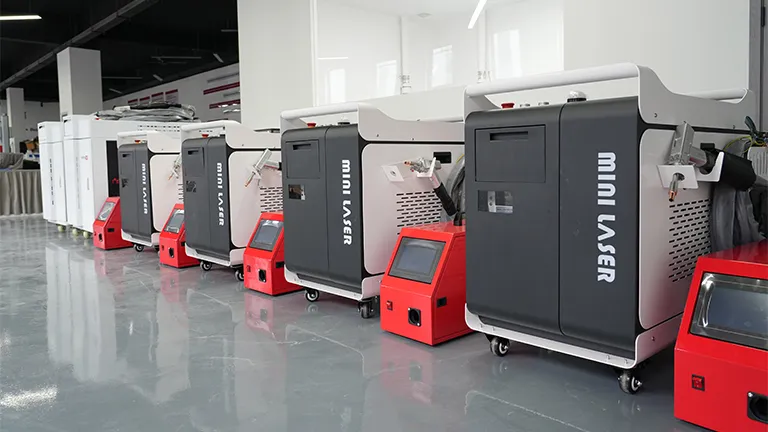
7.1 Comprehensive Product Portfolio – Tailored to Application Scenarios
HANTENCNC’s handheld welding guns are ergonomically designed to be lightweight and flexible, significantly reducing operator fatigue during prolonged use. With a high level of integration and user-friendly operation, they require no certified welders for setup and can be mastered quickly.
They are particularly suitable for sample fabrication, on-site construction, and welding of irregular or large workpieces.
Robotic Laser Welding Machines
This solution combines high-performance fiber lasers with precision industrial robots or compact collaborative robots to achieve automated welding along complex 3D trajectories.
It overcomes the limitations of handheld welding in terms of consistency, efficiency, and precision, making it ideal for batch production in industries such as automotive parts, kitchen and bathroom hardware, and structural components.
Galvo Laser Welding Machines
HANTENCNC’s galvo series showcases our technological strength. By integrating high-speed scanning galvanometers with field lenses, these machines achieve extremely fast welding speeds.
They are particularly suited for applications requiring dense spot welding or fine curve welding in flat micro-processing, such as new energy battery modules/packs, electronic components, medical devices, jewelry, and battery tabs. For battery welding, we also design customized automated fixtures, further enhancing productivity and precision.
Air-Cooled Laser Welding Machines
The Seagull Gen-4 air-cooled series offers unique advantages:
-
Built-in spring damping to minimize vibration and extend equipment lifespan.
-
Acrylic touchscreen protection for dust-proofing and durability.
-
Dual-wheel design with a small turning radius for greater mobility, especially in tight spaces.
-
Optimized ventilation aligned with the laser source’s cooling system for improved heat dissipation.
-
Dual carry options—pull or lift—ensuring easy handling.
-
Frame-structured design for stability, durability, and easier exterior replacement compared with traditional box-type designs.
Key Advantage: While not the lightest, HANTENCNC’s air-cooled welders are the most convenient to move and operate.
7.2 Core Technological Advantages
HANTENCNC equipment is built with high-performance fiber lasers offering over 30% electro-optical conversion efficiency, excellent beam quality, maintenance-free operation, and extended service life—significantly reducing long-term operating costs.
Our systems are equipped with intelligent controls, including CCD vision positioning and red-light indicators for precise seam tracking. This minimizes dependency on jigs and manual adjustments, ensuring weld consistency and reliability.
7.3 Customized Solutions
Cost Concerns:
While initial investment is higher compared to some traditional welding methods, HANTENCNC equipment offers high efficiency, low consumables usage, and reduced reliance on skilled labor—effectively lowering per-unit costs and enabling a faster return on investment.
Thickness & Material Limitations:
HANTENCNC provides laser power options ranging from 1000W to 6000W and beyond, enabling effective welding of various materials including carbon steel, stainless steel, aluminum alloys, and copper, across different thickness ranges.
Maintenance Issues:
Our fiber laser sources are maintenance-free, and core components such as chillers are sourced from premium brands to ensure stability.
During assembly, we adhere to rigorous standards—uniform wiring lengths, manual soldering of every cable, and complete circuit diagrams for every model. These practices enhance long-term stability, reduce failure rates, and minimize maintenance costs.
Conclusion
HANTENCNC’s laser welding solutions, with their comprehensive product line, advanced core technologies, deep industry insight, and reliable build quality, offer customers a full spectrum of choices—from entry-level to flagship, and from manual to fully automated systems.
Whether you are a repair workshop prioritizing flexibility or a large-scale manufacturer seeking ultimate efficiency and precision, HANTENCNC delivers the right solution—allowing you to fully experience the quality, efficiency, and economic benefits of laser welding technology.