
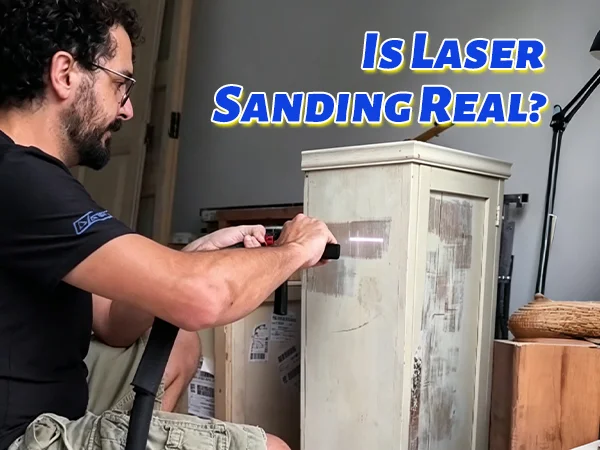
1. What does Sanding do?
Traditional sanding is typically done with sandpaper or an electric sander. Both work the same way, through physical abrasion, and both can do two things to wood:
First, they can remove paint, varnish, stain, and dirt from the wood surface.
Second, they can alter the wood itself, including levelling, rounding edges, and exposing fresh fibres.
What does sanding do to wood? Basically, it can do two things as follows:
First, sanding can remove paint, varnish, stain, and dirt from the wood surface.
Second, sanding can alter the wood itself, such as levelling, rounding edges, and exposing fresh fibres.

2. What does Laser Sanding do?
When laser sanding a wood surface, the laser beam first hits the surface, and then the coating absorbs the heat; within nanoseconds, laser sanding can peel off unwanted layers, including paint, rust, or dirt, while leaving the wood beneath untouched.
So laser sanding can do part of what a sander does, but not all of it.
In short, laser sanding can remove paint, varnish, stain, and dirt from the wood surface.
But laser sanding cannot alter the wood itself. It cannot level, round edges, or expose fresh fibres.
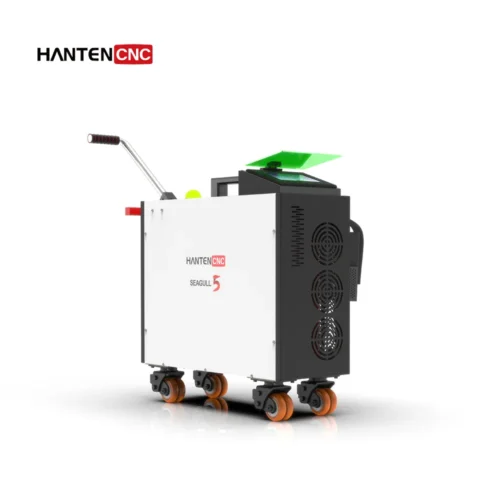
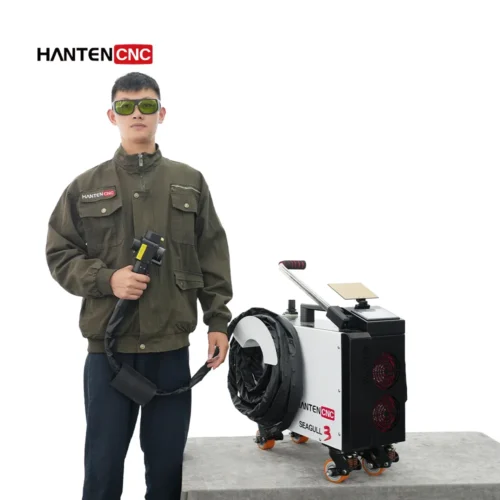
HANTENCNC’s pulsed laser cleaning machines, like the SEAGULL series, are designed for this purpose. They deliver energy in ultra-short bursts, vaporizing coatings faster than heat can reach the substrate below.




3. What's the Difference between the Sanding and Laser Sanding?
The two serve different purposes on wood.
- Sanding → new wood preparation + old wood renovation
- Laser sanding → old wood surface renovation only
4. Why Laser Sanding Exists?
- Traditional sanding uses physical friction, where abrasive particles scrape off the material.
- Laser sanding is physical laser ablation: Photothermal vaporization, where light energy turns material into gas.
5. Where Laser Sanding Works Best?
Laser ablation is especially useful in situations where traditional sanding either cannot work or does not work well.
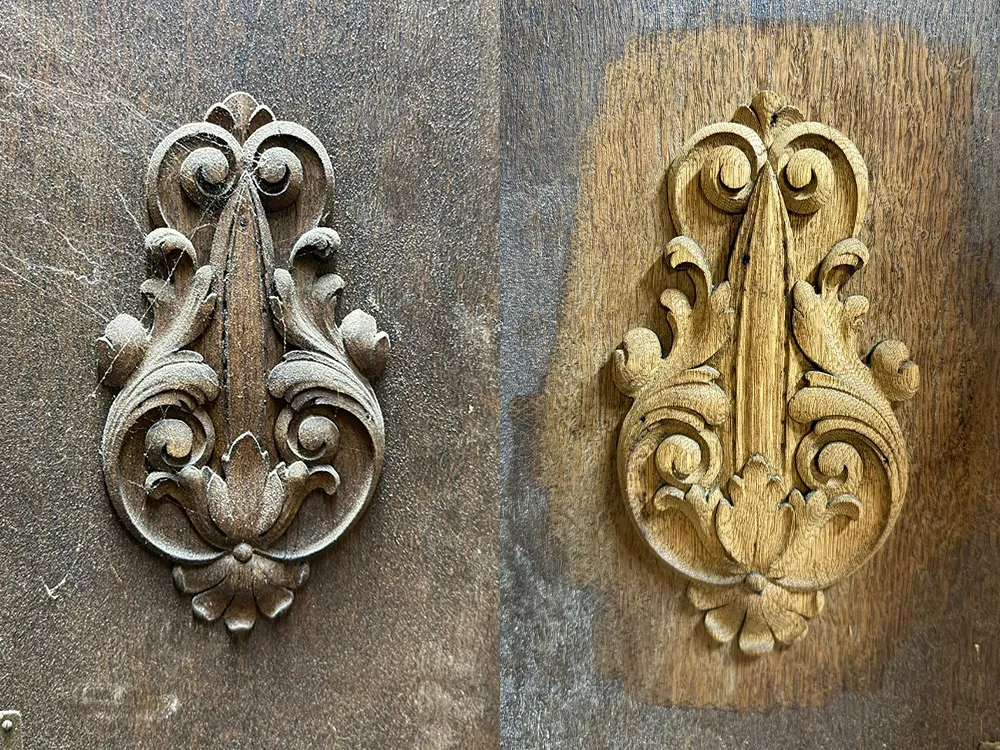
1. Ornate, Carved Furniture
2. Antique Restoration
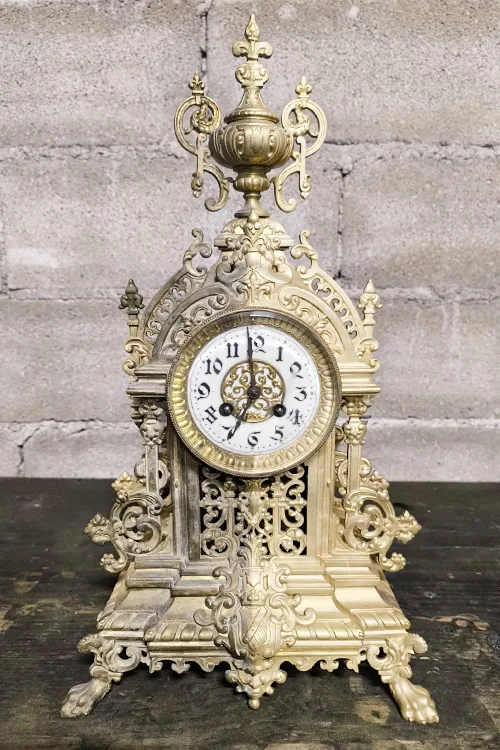
A customer in Thailand used a HANTENCNC 200W laser restoration machine to remove copper oxide from the surfaces of an antique clock, restoring it to original condition with zero damage to the clock’s surface.
3. Building Exterior Renovation


A customer in Canada used a HANTENCNC 300W laser sanding machine to remove dirt and coating from the surfaces of an antique building, restoring it to its original condition with zero damage to the stone’s surface.
4. Complex or Curved Surfaces
France: A customer used a 1000W laser with 15mJ pulse energy to remove thick rust and oxidation layers from an old car body — stripping the surface down to bare metal without damaging the underlying steel.
