In manufacturing, product marking is very important. Imagine that you produce 1,000 products. Later, during quality checks or shipping, how will you know which products passed the test and which did not? This is where part marking becomes very useful. You can mark parts in different ways. These methods mainly include indirect marking and direct part marking.
Indirect marking uses labels, stickers, tags, or printed plates attached to the product. These methods are simple and low-cost, but they may not last long. Labels can peel off, fade, tear, or get damaged by heat, water, oil, or regular handling. For products that need long-term identification, direct marking is often a better and more reliable choice.
What is Direct Part Marking (DPM)?
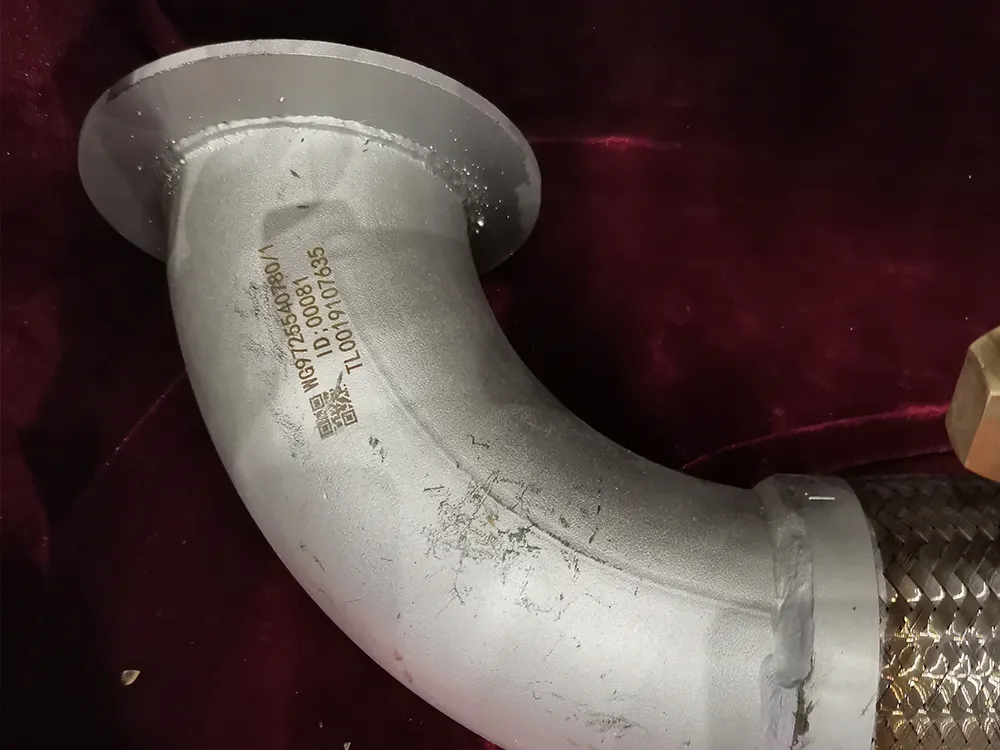
Direct part marking is the process of permanently marking a part directly on its surface. In this process, you don’t need to use a paper label; instead, you use efficient methods like laser marking, dot peening, or others. These methods play a key role and make marks last for almost the product’s lifetime. Marks can include serial numbers, barcodes, QR codes, and more.
Traceability
Traceability indicates the process of tracking a product throughout its lifetime. Direct part marking (DPM) makes this process easier. Each part gets its own mark and a unique trace. You can trace the product to verify where it was made or whether it is genuine. You can even follow through repairs.
Counterfeit Prevention
Another crucial purpose of using direct part marking is to prevent counterfeiting. Nowadays, fake parts are produced everywhere and cause big problems. These products are unsafe and low quality. DPM helps to stop this kind of counterfeiting. It proves the parts’ authenticity, and buyers can check the mark and trust the source.
Regulatory Compliance
Many professional industries follow strict production rules. They follow strict protocols such as FDA, medical, and military standards. Typically, the automotive, aerospace, and medical sectors verify these standards and the origin of parts. DPM helps meet these rules. Each part gets a unique ID so inspectors can check it at any time. This practice makes the audit easy.
Warranty Tracking
DPM simplifies warranty service or defect claims for a part. Warranties also depend largely on the part’s history. Every part contains a mark. Scanning them shows the batch number and manufacturing date. This feature lets the company check directly whether the part still has warranty coverage. As a result, it reduces fraud and helps customers get faster service.
Direct Part Marking Industry Trends
Direct part marking is widely used across sectors, depending on the requirements. Modern solutions are replacing older methods. In general, the industry is shifting toward automation and green manufacturing. Most people prefer fiber lasers or UV lasers over traditional etching methods. The need for microscale precision, rapid processing, and cleaner results is driving these changes.
Different modern rules are also pushing these trends. For medical devices, manufacturers must follow strict ID laws to ensure safety. Meanwhile, the electronics sector requires marks that can withstand heat and heavy use. These requirements make laser marking a top solution. Laser marking meets these core needs. As factories adopt smart systems, DPM will continue to grow.
Common Types of DPM Methods
Many direct part marking methods exist to mark a part onto a surface. Each method uses a different manufacturing process. Their approaches are distinct. Some use light. Some use force, and others use chemicals. The right method depends on the material and the required results. Let’s look at the methods used today to help you choose the best option for your project.
1. Laser Marking
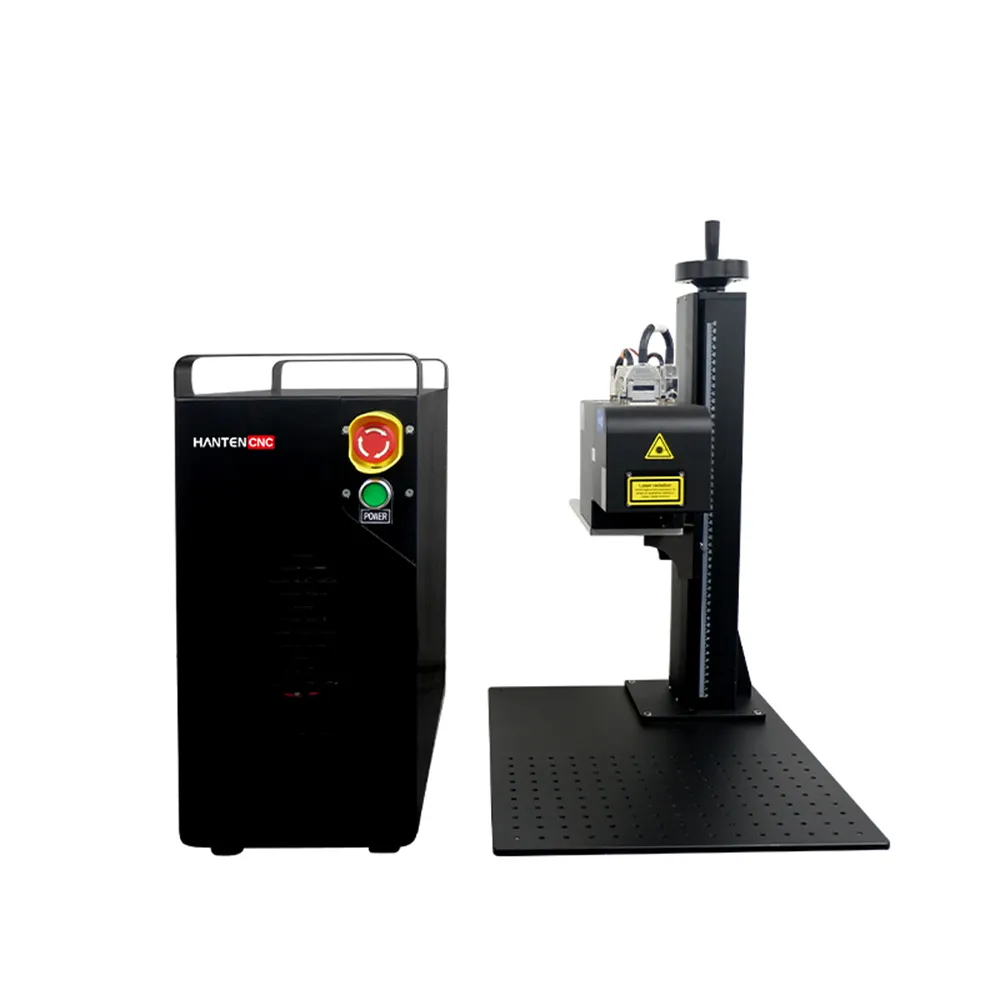
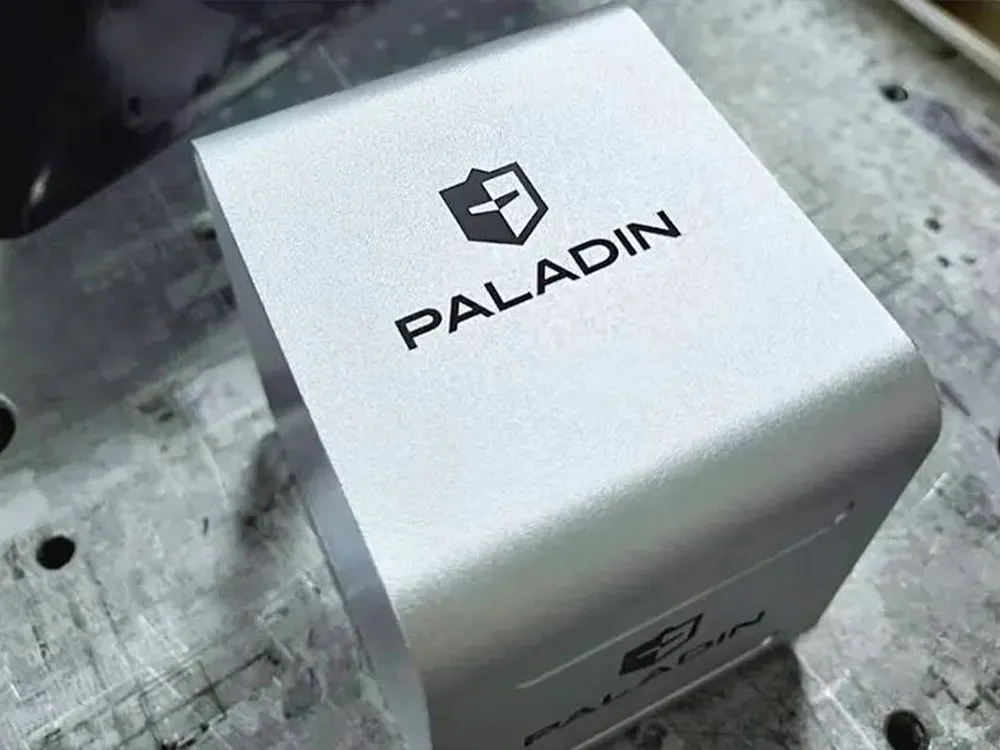
Laser marking marks a surface using ablation, annealing, or etching. This system uses a focused beam of light that heats the surface of a part. It operates without any physical contact. As a result, the process is much safer for delicate surfaces.
When the material surface comes into contact with focused energy, it instantly changes the surface texture. This creates permanent, durable marks without applying any mechanical pressure. You can even create sharp, high-contrast 2D codes or data matrices. They remain highly scannable throughout the product’s lifetime.
Pros
- Offers precise marking at higher speeds.
- Zero physical contact during the entire marking process.
- No ink or other consumables needed.
Cons
- The initial investment is relatively high.
- Requires proper ventilation because the process often produces fumes or residue.
- Requires trained operators.
Applications
Laser marking applications are quite broad. Almost every sector utilizes laser marking. Common examples include engine parts, medical implants, aerospace components, PCB boards, and the packaging and branding industry.
2. Dot Peen Marking
The dot peening method uses a hard, strong stylus to strike a surface repeatedly and cut a symbol or mark. Generally, a mechanical impact alters the surface texture without removing any material. Every strike leaves a dot. Together, all these dots form a complete mark, such as numbers, codes, or letters on the surface. These marks remain readable for a long time, even after painting or galvanizing.
Dot peening marks do not fade or wear out easily. They can withstand oil, dirt, heat, and harsh environmental conditions.
Pros
- Quite durable, deep, and able to withstand harsh, rough applications.
- No need for consumables or inks, which add extra cost.
- Reliable option for rough industrial use.
Cons
- Compared with laser marking, the process is slower.
- It can cause stress to delicate parts.
- Limited to certain materials only.
Applications
Dot peening is a permanent part-marking method suitable for engine chassis, blocks, and steel pipes. People often use it on parts that face high heat, stress, and severe outdoor exposure.
3. Electrochemical Etching
Electrochemical etching uses electric current to mark metals. It combines low-voltage current, an electrolyte solution, and a stencil to mark metals. The electrical current controls the oxidation reaction and removes material layer by layer. It uses no mechanical force. Within a few seconds, it forms a design that matches the stencil pattern exactly.
Also, it does not involve heat. So there is no chance of material warping, weakening, or losing its structural integrity. Such an operational advantage is crucial for hardened or delicate metal parts. It only requires a conductive material to work properly and deliver clean results.
Pros
- Remarkably low initial setup cost.
- Low heat input also indicates zero mechanical warping or damage to metal parts.
- Produces clean, smooth marks that are easy to read.
Cons
- Works with certain conductive metals only.
- Comparatively slower than laser marking in terms of mass production.
- Requires manual labor, adding extra cost, plus electrolytes and chemical supplies.
Applications
It is well-suited for marking medical parts, stainless steel, jet turbine blades, and electronics. You can also use this method for industrial hand tools and small batches of metal parts.
4. Inkjet Printing
Inkjet printing uses tiny droplets of ink to create a marking on a material surface. It never physically touches the part. This approach makes the process fast, efficient, gentle, and simple. With it, you can work on materials like plastic, cardboard, and even metals.
The ink can dry quickly in the air and even faster in UV light. These marks are typically suitable for short-term use. They may not last long after heavy use. This method remains a popular choice for fast, high-speed production lines.
Pros
- A fast, efficient, low-cost option for each part.
- Works well on a wide range of material surfaces.
- Quite a flexible option. You can reprint, change, and update quickly.
Cons
- Less durable compared to laser marking and dot peening.
- Ink can easily fade and wear off over time.
- Routine checkups and regular ink refills are needed.
Applications
Manufacturers use it for food packaging, plastic bottles, PVC pipes, paper boxes, and many other materials, depending on the requirements.
5. Chemical Etching
Chemical etching uses an acid solution to mark metals. Here, a stencil covers the area that must remain untouched. When the acid hits the surface, it gradually eats away at the exposed metal. As a result, it leaves a clean, smooth, permanent mark.
Chemical etching works best on metals. Using this method on metals produces fine, detailed marks with sharp edges. The result looks professional and can resist wear, rough use, and heavy-duty applications over time.
Pros
- Produces completely burr-free, stress-free marks.
- Marks many parts at the same time.
- A low-cost option for custom designs and patterns.
Cons
- Produces hazardous acid liquids.
- Requires extra washing steps, which slow the process.
- Not ideal for curved or uneven part surfaces.
Applications
With chemical etching, you can mark everything from aerospace part marking systems to electronic products, metal shims, and custom nameplates as well. It’s one of the best options for achieving delicate features on thin metals.
Summary
Direct part marking (DPM) offers many ways to mark your materials. Laser marking offers speed and precision. Dot peening suits hard metals for better results. Electrochemical etching is ideal for delicate metals. Inkjet suits low-cost jobs, while chemical etching supports fine details. The right method depends on your material, budget, and durability.
If you have any questions, feel free to contact us anytime. Our friendly team and experts are available 24/7. We are always ready and happy to help and guide you to the right decision.