
Laser welding has transformed the production of things, and the nozzle determines the success of the welding. Your choice of nozzle determines the accuracy and productivity of welding. By learning about the different types of laser welding nozzles, you can improve your results and make your work more reliable.
What Is a Laser Beam Focusing Nozzle?
A laser welding nozzle is a tool that can help you during welding. It carries a laser beam and shielding gas to a welding area. The nozzle focuses on the laser energy and guides the gas to protect your weld from contamination in the air. It ensures your weld stays clean and strong.
Related Blog Post: Laser Seam Welding VS Spot Welding

How Does a Handheld Laser Welding Nozzle Work?
Laser Energy Channeling
Your handheld laser welding nozzle focuses laser energy through a small opening to give you precise and efficient welding.
Shielding Gas Delivery
The nozzle delivers shielding gas to your work area, protecting the weld from dirt and providing a clean, smooth finish.
Nozzle Design Matters
The shape of your nozzle affects how the laser beam, gas, and heat work together, which will help you get consistent welds.
Gas Flow
The way gas flows inside your nozzle (smooth or turbulent) decides how well your weld is protected from oxidation.
Keeping Cool
Some nozzles have cooling features that stop them from overheating, so you can weld longer without issues.
Perfect Settings
Matching settings like beam size, gas pressure, and nozzle distance will help you get the best weld quality every time.
Types of Laser Welding Nozzles
Standard Nozzles
Standard laser welding nozzles are very useful for general welding jobs. These nozzles give you simple gas flow and help you focus the laser beam, making them a good choice for many different tasks.
1. Applications
You will find that you can use standard nozzles for several everyday welding tasks, like working with mild steel, aluminum, and stainless steel. They are helpful for things like structural welding, repair work, and production jobs. With these, you can work with materials that range from thin sheets to medium thickness and still get good results.
2. Advantages
You will notice that these nozzles are affordable, easy for you to take care of, and can be found easily. They work with many different laser welding systems, making it simple for you to manage your tools and supplies without much effort.
3. Limitations
Standard nozzles are not the best choice when you need to do high-precision work. You may find that they can’t always manage gas flow or heat well during long welding jobs. How well they work can also change based on the type of material you are working on, so results are not always the same.
Precision Nozzles
They are precision laser beam focusing nozzles so that they give you more precision on the laser beam and the gas flow as well. This means you can get high quality results even with the most challenging tasks.

1. Applications
You will use these nozzles for jobs in industries like aerospace, medical devices, and electronics. They are a great choice for welding thin walls and for tough materials like titanium or Inconel, where you need to control heat very closely.
2. Advantages
When you work with precision nozzles, you get a better quality beam, less distortion, cleaner results, and steady performance. You will also find it easier to adjust your settings and get great results for your specific task every time.
3. Limitations
These nozzles are more expensive than standard ones. They also need more careful maintenance from you, and they use special parts that may take longer for you to get. If you’re working on simple welding jobs, you may not need these precision nozzles.
High-Power Nozzles
High-power laser welding nozzles are designed so that you can handle more intense energy and keep working well, even if you use them a lot with high-output laser systems.
1. Applications
You will find high-power nozzles very useful when you’re working on big welding jobs, like building ships, constructing pipelines, or working on large structures. They’re also helpful for welding thick sections and in car manufacturing when you need to work fast and make a lot of products.
2. Advantages
These nozzles are tough and last long. They have really good cooling systems and help you get rid of material fast. With these, you can boost your productivity and cut down on downtime, making your work more reliable in a busy setting.
3. Limitations
High-power nozzles cost more when you buy them, use up a lot of electricity, and may be tricky for you to use when working in small spaces. You will also need special training to use them safely because of the extra energy involved.
Specialty Nozzles
Specialty laser welding nozzles are created to meet your particular needs and help you solve problems that you can’t handle with regular nozzles.
1. Applications
You might use these nozzles for special things like welding underwater, using water-resistant designs, or working with vacuum welding for projects in space. These nozzles may also have corrosion-resistant materials for working with chemicals. If you need to adjust your welding for different materials during a difficult job, specialty nozzles can help with their special features.
2. Advantages
With custom nozzles, you get better performance and solve problems made for your unique needs. They use strong materials, special coatings, and have extra systems to deal with hot or cold situations, so they last longer.
3. Limitations
Custom and specialty nozzles may cost you more, take longer to arrive, not have as many spare parts, and may require you to do special types of maintenance. This can make them less helpful for certain types of work you might be doing.
Factors Influencing Laser Welding Nozzle Selection
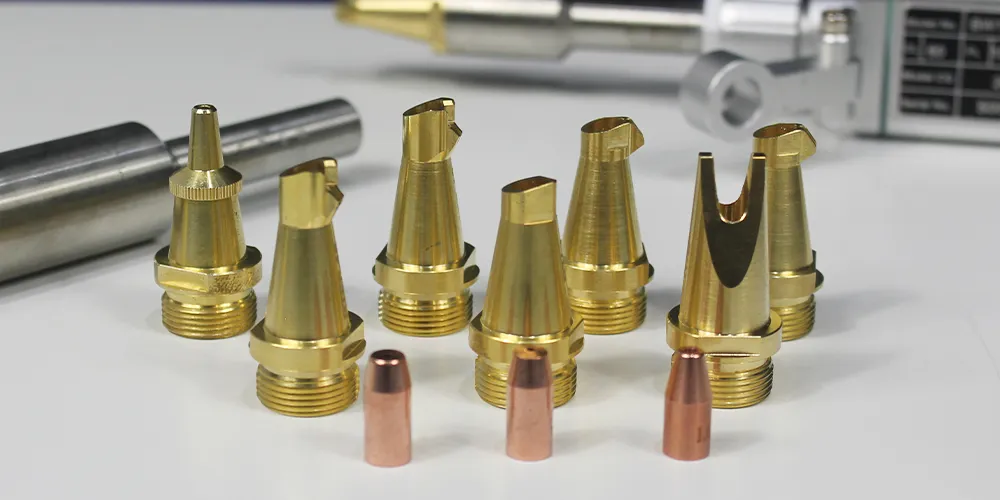
Material Type
Before choosing the nozzle, you should know what kind of material you are selecting. If you weld aluminum, you need a different nozzle than for steel. For thicker materials, you might need more gas coverage and a tighter beam focus.
Weld Geometry
The shape of your weld joint changes the nozzle you should use. Butt joints, fillet welds and lap joints all need specific gas flow. You might need a smaller or focused nozzle for tight areas.
Laser Power and Mode
The laser system you use also decides your nozzle choice. For continuous wave and pulsed lasers, you will need different types of nozzles. High power lasers often require more thermal management to keep your system safe during welding.
Shielding Gas Compatibility
The type of gas you use, like argon or nitrogen, also matters for your nozzle selection. You want a nozzle that gives the right gas flow and pressure that matches both your gas type and welding material.
Maintenance and Care
Regular Cleaning
You should make sure to clean your welding equipment regularly after every session to prevent spatter buildup and contamination. Regular cleaning will help you protect sensitive internal parts and keep gas flow channels working properly.
Inspection
Inspect your equipment regularly for signs of wear, damage or changes that can affect its performance. You should check gas flow and beam patterns for any issues and replace worn parts before they impact your weld quality.
Replacement
Set a schedule to replace parts based on how often you use the equipment. Always keep spare nozzles on hand to avoid delays. Keep track of replacement intervals to plan better and control costs effectively.
Selecting the Right Nozzle for Your Application
Assessing Welding Requirements
You need to think about your welding needs before you start. Consider what types of materials you will be using and what level of quality your projects require. You should also consider the condition of your workspace and check if your laser system and chosen nozzle fit your needs.
Consulting with Manufacturers
It is important for you to reach out to trusted manufacturers who are knowledgeable about your field. They can help guide you when picking a nozzle and can also provide technical support if you have questions. You should ask to try samples or have a small trial run, as testing helps ensure that your choice will meet your actual production needs.
Trial and Evaluation
You should always test the nozzles you have picked in your real work environment to make sure they work well with your setup. Carefully watch the results, especially the quality and consistency of each weld. Make notes about what you find, so you can confidently choose the nozzle that will bring you the best outcome.
Conclusion
Choosing the right laser welding nozzle can take your welding results from good to great. By understanding the differences between standard, precision, high-power and specialty nozzles, you can find the best option for your needs.
Are you ready to improve your laser welding? HANTENCNC provides reliable welding and manufacturing solutions to meet your precision needs.
Frequently Asked Questions
What is the difference between a standard and a grooved nozzle?
Standard nozzles provide smooth gas delivery, while grooved nozzles create unique gas flow patterns for better protection and precise beam control.
Can I use the same nozzle for different materials?
You can sometimes use the same nozzle, but using nozzles designed for specific materials improves weld quality and prevents contamination.
How often should I replace my laser welding nozzle?
Replace your nozzle based on how often you use it, the materials you weld and signs like inconsistent gas flow or poor weld quality.
Are there universal nozzles compatible with all laser welding machines?
No, because laser machines have different mounting systems, gas flow needs and power levels, making universal nozzles impractical.