
Laser welding is gaining increasing popularity in the metal fabrication industry. Industries, especially custom manufacturers, are constantly dealing with new projects. The need for unique metal parts requires special manufacturing. Thus, different types of laser sources appear. YAG VS Fiber Laser are two common technologies in the field of welding.
Compared to traditional argon arc welding, laser welding is way better in many ways. It gives higher precision, faster speed, and less heat distortion. It also supports automation and is ideal for modern production. However, YAG is better for welding thinner metal parts.
YAG Laser VS Fiber Laser Welding Machine: How to Choose?
HantenCNC produces both YAG and Fiber laser welding machines. Each method has its unique purpose, benefits, and limitations. Although the fiber laser welding machine is better in many ways. The following eight points clearly highlight which one you should choose for your application.
YAG VS Fiber Laser: Laser Source
The fiber laser welding method uses a long optical fiber made of silica glass. It’s a beneficial way to produce a laser and operate it on material. Silicone glass has excellent optical properties. It typically ensures the safe propagation of light. As a result, you can get a more precise result.
In this process, the fiber is doped with rare earth materials such as Nd, Yb, or Er. When you apply energy (pump light) to it, the laser then creates a high-intensity beam. Thereafter, the beam is used on different types of materials for welding work.
In YAG laser welding, a source of crystal doped with neodymium or yttrium metal ions is used. It works as the operative medium of the source and provides laser light by optical pumping.
You may have a question about which source provides pumping energy. A flash lamp serves as a source of energy to create laser light. Thus, it can produce a wavelength of around 1064 nm. You can control the peak power and pulse width during laser pulsing by adjusting the flash lamp voltage and current.
Which is better? Fiber lasers are generally better for welding. Their silica fiber ensures accurate light propagation and high beam quality. YAG, on the other hand, relies mainly on flash lamps. It is less efficient and harder to control.

YAG VS Fiber Laser: Applications
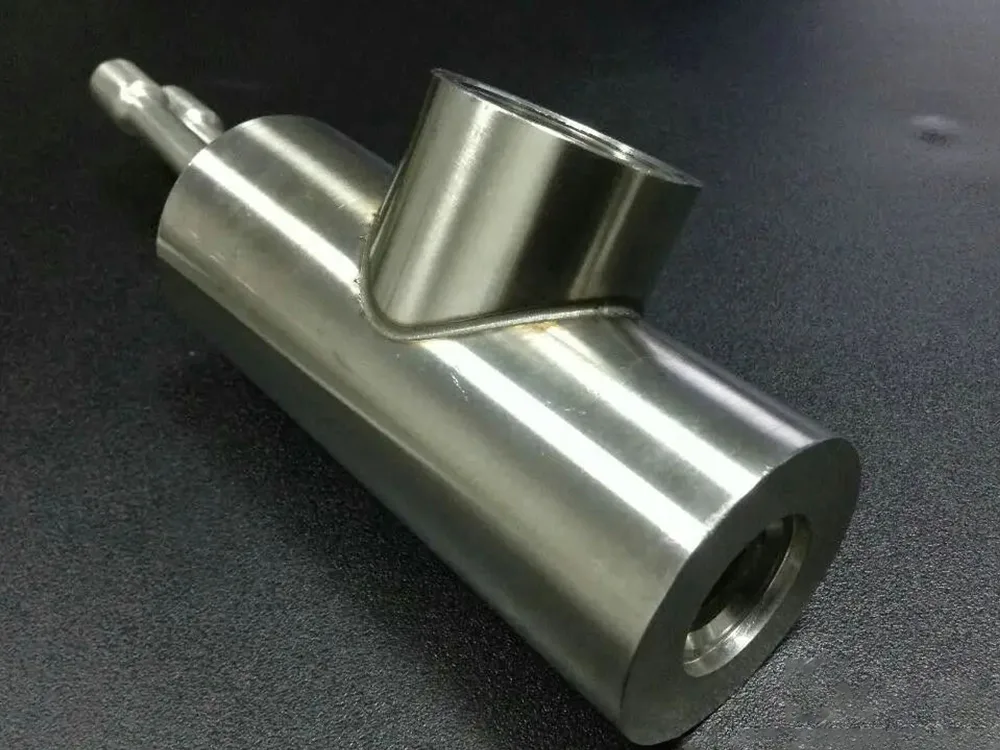
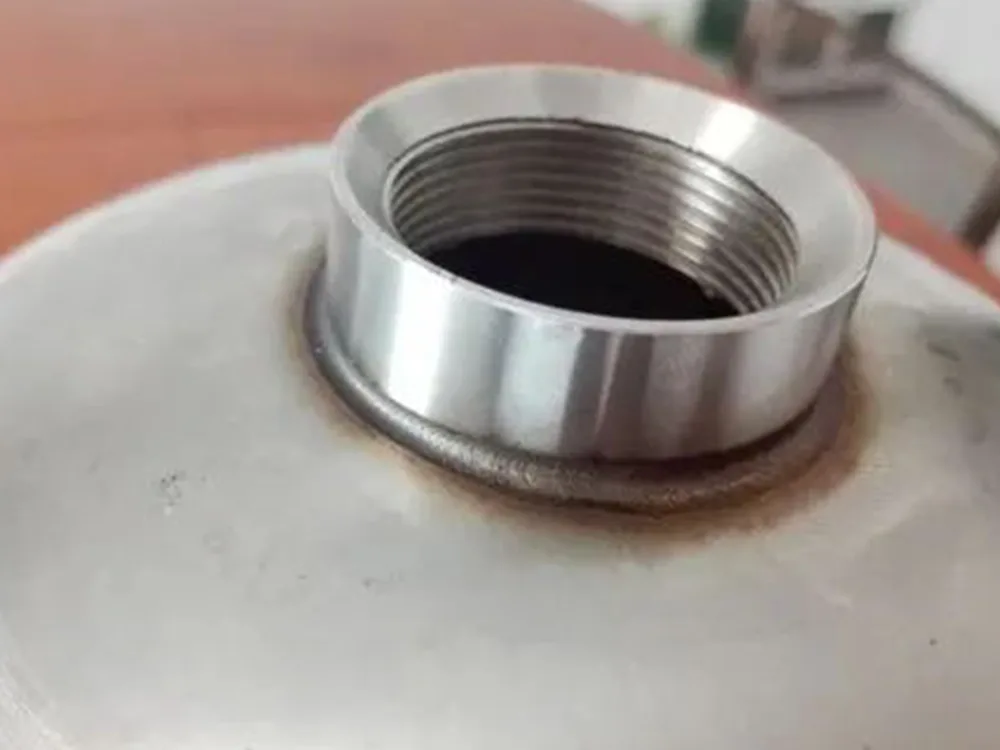
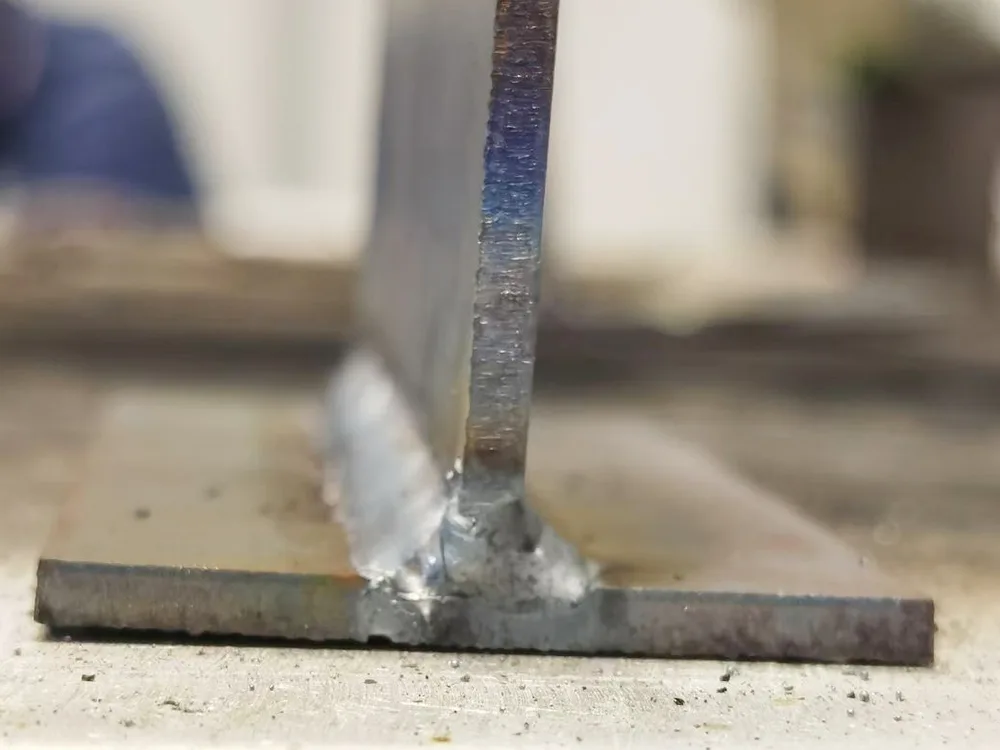
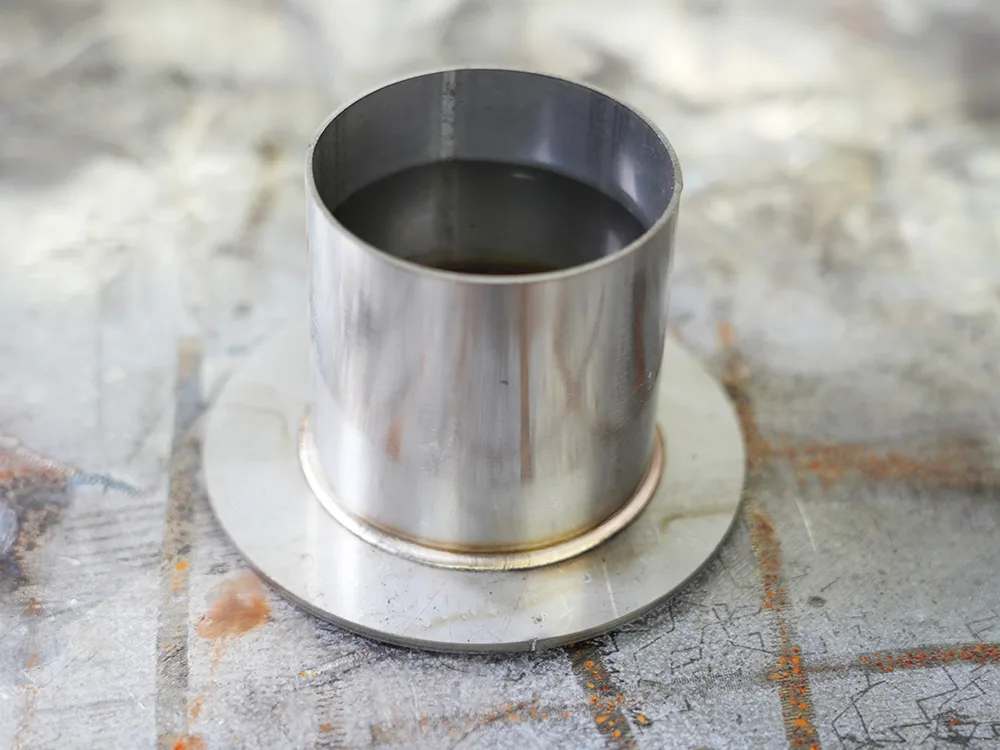
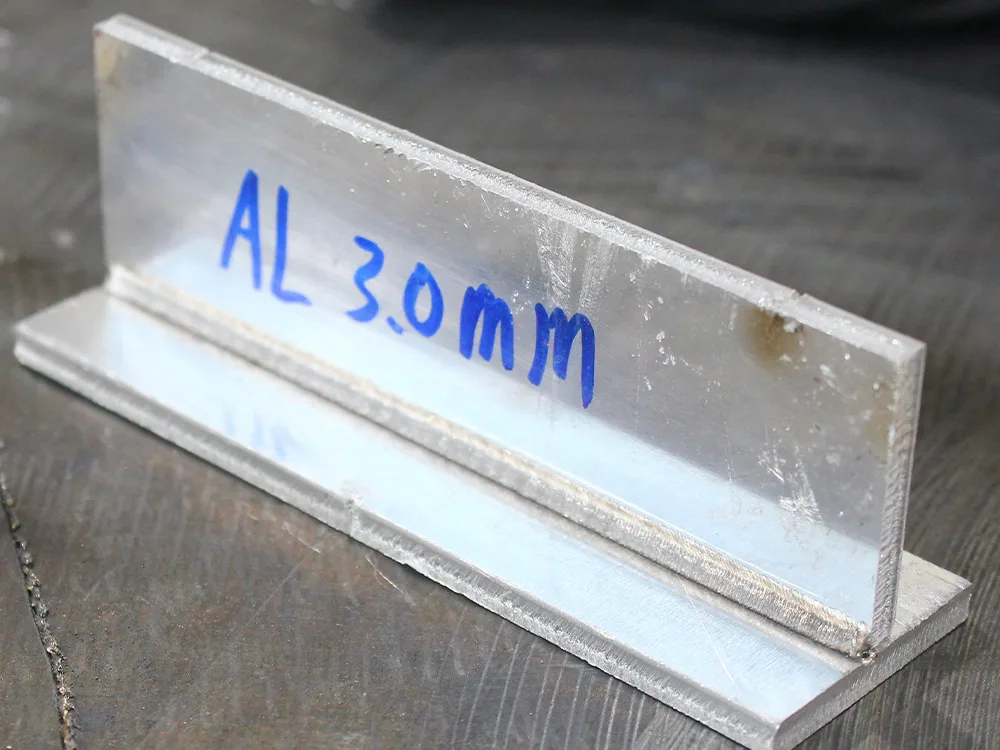
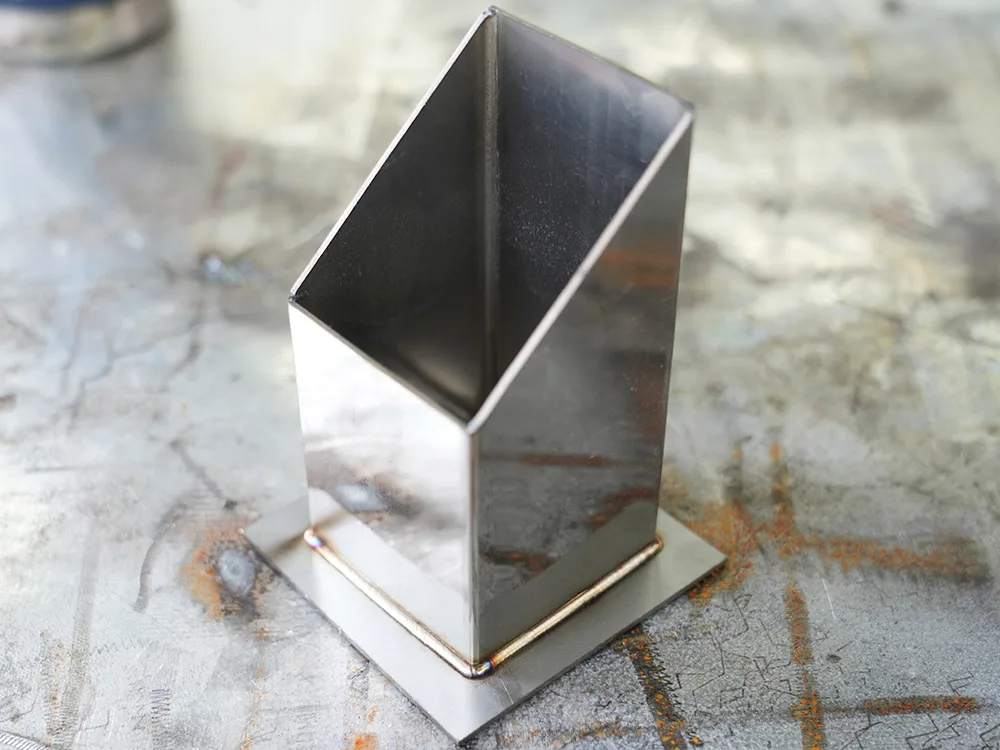
A fiber laser welding machine is typically better for welding metals with thicknesses above 0.5mm. There is a high risk of material warping if you do it on thinner metal parts. A fiber laser is also excellent for continuous welding. It is easy to integrate with robot hands. It is primarily suitable for mass production.
Moreover, fiber lasers offer excellent focus ability. It means that the laser beam can be tightly focused on very small areas. This unique characteristic is necessary for accurate welding and deeper penetration.
YAG laser welding machine, on the other hand, is excellent for thicknesses ranging from 0.1mm to 0.5mm. This laser welding machine is ideal for spot welding. Please note that the size of the weld spot may vary depending on the specific laser settings.
YAG VS Fiber Laser: Beam Quality
Beam quality is a concerning factor to consider. Here, the fiber laser beam quality is comparatively superior to that of the YAG laser welding.
In a YAG laser, the crystal rod serves as the active medium, absorbing the pumping energy. Therefore, the output energy did not match the input energy. Unfortunately, you may have experienced a significant loss of energy. Because of this, the center of the laser pulse is much hotter than its outer layer. So, it can be an optimum choice if you require penetration of 0.02″ spot welding.
On the contrary, a fiber laser distributes the pumping energy over a long, thin optical fiber. This way, it prevents the rapid temperature change. Also, the silica glass has a low thermo-optic coefficient. Therefore, the temperature may have a slight effect, as the refractive index changes in the lower portion. This is how a fiber laser produces high-quality beams with minimal distortion, even at extremely high power levels.
YAG VS Fiber Laser: Photoelectric Conversion Rate
In comparison, the photoelectric conversion rate is a key difference to consider. The rate is also known as wall plug efficiency. It measures how much the laser converts electrical energy into laser energy. The more it can convert energy, the more efficient it will be for laser welding.
The YAG laser has a lower photoelectric conversion efficiency. Approximately, the conversion rate is 2% to 3%. In this process, power consumption is comparatively higher, as mentioned before. Therefore, it requires a more robust cooling system, which incurs additional costs due to energy loss.
A fiber laser welding machine has a much higher photoelectric energy conversion rate. Typically, the rate ranges from 25% to 30%. The advantage is that it consumes less electricity and is a less costly process in the long term.
YAG VS Fiber Laser: Weld Quality & Speed
The YAG laser has lower beam quality. During welding, it might lead to a larger spot size. You may notice that the welding has less concentrated power and occurs at a slower speed. HAZ can also affect the welding process by causing thermal distortion, which incurs additional costs for post-processing.
In terms of speed and quality, the fiber laser surpasses the YAG laser. As you know, the beam quality is also better than that of YAG laser welding. Due to this feature, it easily confines the light to a small area within the optical fiber. It allows the machine to focus on a tiny level and create a high-intensity spot. This way, you can achieve high-speed welding with deeper or narrower penetration. Eventually, it ensures a high-precision outcome.
YAG VS Fiber Laser: Cost
YAG lasers may seem reasonable initially, but in the long run, they will incur additional costs. There is an optical lens in the resonant cavity of the YAG laser. Moreover, there is energy waste, which incurs extra electricity bills.
While the YAG laser may be cheaper to buy, fiber lasers have low total ownership costs. It is more energy-efficient because it converts a higher percentage of electric energy into laser power. This results in lower electricity bills, with no additional maintenance costs.
Compared to the YAG laser, it does not even require an optical lens to operate the welding process. So, you might find it beneficial and more economical in the long term.
YAG VS Fiber Laser: Work Efficiency & Power Consumption
Power consumption refers to the amount of energy each laser requires to operate. And the efficiency relates to the wall-plug efficiency of both laser machines.
For each unit of laser output power, the YAG laser welding machines require a significant amount of power input to generate the laser light. In this method, all the power input that is not used for output is wasted as heat. Therefore, it requires a high amount of initial power as input to achieve the desired output power. Additionally, the work efficiency is also fifty percent of that of the laser fiber machine.
On the other hand, the fiber laser consumes only 1% of the power required in YAG laser welding. It’s an overall efficient way to weld products with high precision. As you are aware, it can convert photoelectric energy to 25% to 30%, which is significantly higher compared to a YAG laser.
YAG VS Fiber Laser: Service Life
Service life is crucial, as it impacts both long-term reliability and cost. Fiber lasers have exceptionally long service lives. Furthermore, the core source of life is around 100,000 hours and can extend further. Such longevity is achieved through the manufacturing design, which eliminates the need for consumables or replacement parts.
The service life of the YAG laser source is approximately 15,000 hours, primarily due to the costly and frequent replacement of its parts.
Summary
You have gone through a detailed comparison between YAG and fiber laser welding machines. It is quite clear that a fiber laser machine is capable of producing better beam quality. Eventually, you can get better welding results. Let’s summarize our whole comparison in the following table.
| Parameters | YAG Laser Welding | Fiber Laser Welding |
|---|---|---|
| Beam Quality | Limited due to internal temperature gradient; average power and beam quality restricted | Excellent beam quality; stable output; better refractive index properties |
| Photoelectric Conversion Rate | 2%–3%, very low, high-power consumption | 25%–30%, high efficiency, energy-saving |
| Intelligence & Maintenance | Requires an optical lens in the cavity; frequent adjustments and higher maintenance | No optical lens, adjustment-free, maintenance-free, high stability |
| Power Consumption & Efficiency | Consumes large amounts of power; efficiency is relatively low | Power consumption only ~1% of YAG; efficiency more than double |
| Service Life | ~15,000 hours | >100,000 hours |
| Welding Speed | Good, but slower compared to fiber | Very fast; up to 4–5 times faster than traditional methods |
| Welding Quality | Good | Very good, smooth, precise, low grinding cost |
| Overall Performance | Generally acceptable | Very good, advanced, high reliability |
| Application | This method is ideal for metal thicknesses from 0.1mm to 0.5mm. | This method is suitable for metal parts more than 0.5mm. |
HantenCNC is a leading manufacturer of various types of laser welding machines. One of our core products is a laser welding machine. If you are interested, please don’t hesitate to contact us at your convenience.