Laser marking has become a popular method for adding permanent marks to various materials. It is a fast, reliable, and safer method than others. There are many types of laser marking, and each method is ideal for a specific use.
This article primarily explores the world of laser marking. It describes the most popular eight types of laser marking used in industrial applications. You will know how each method works, its advantages, and its limitations.
It is essential to understand how each method works. This way, you can decide which marking method is best for your products. Whether it involves metallic, plastic, or delicate components, choosing the correct laser marking method is crucial.
8 Common Types of Lasers Marking Methods
Did you know how laser marking works? It uses a highly focused laser beam, which is directed at the material’s surface. Once the beam hits the surface, it creates a rapid temperature rise at that location. This high heat evaporates, melts, or changes the properties of that area. This way, you can get perfect and permanent marks on the surface.
The part “evaporates, melts, or changes the properties” typically tells you everything. This means the method is not the same, actually. Not all materials behave similarly when exposed to a laser. To cope with this difference, various types of laser marking methods appear.
Type #1 Laser Engraving
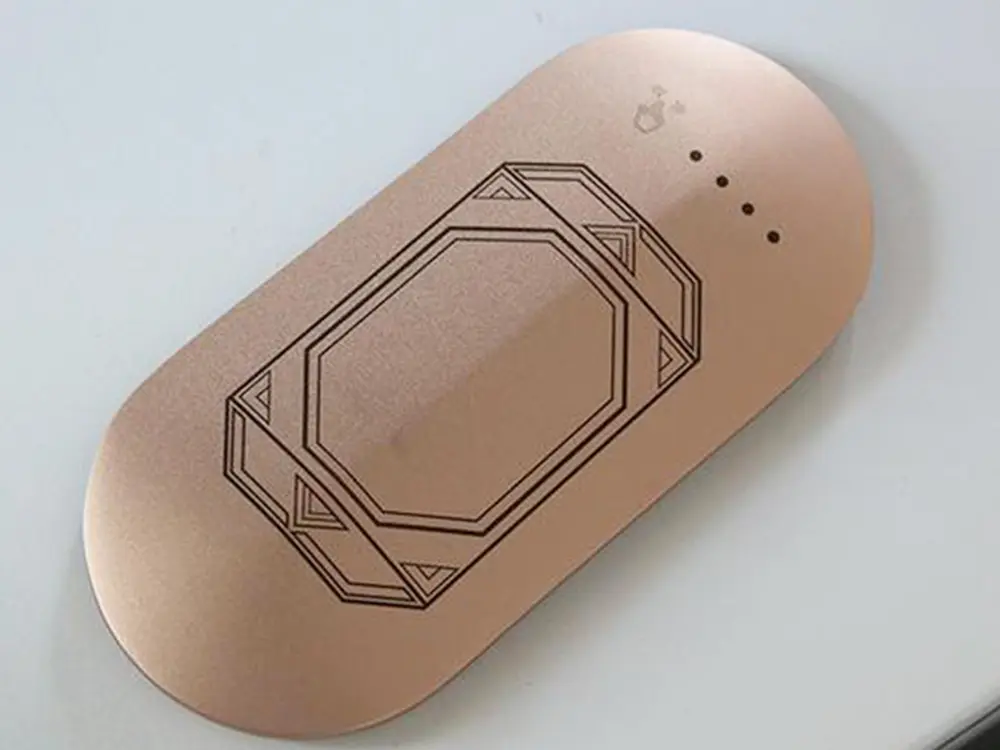
The laser engraving method typically removes the material from the surface. When the laser hits the area, the material evaporates quickly, creating a groove that forms a visible design. It works great on metals and plastics.
Laser engraving is primarily ideal for creating logos, text, part numbers, or designs. You can either leave the engraved area or fill it with paint or ink.
Pros
- Laser engraving creates deep and durable marks. It is ideal for products that often face harsh conditions.
- This laser marking method works well on rough or uneven surfaces.
- You can also fill the marks with ink or paint for better visibility.
Cons
- Laser engraving may not be an ideal option for thin materials.
- It needs higher power, especially for engraving hard metals.
- Not suitable for delicate or thin materials.
Type #2 Laser Etching
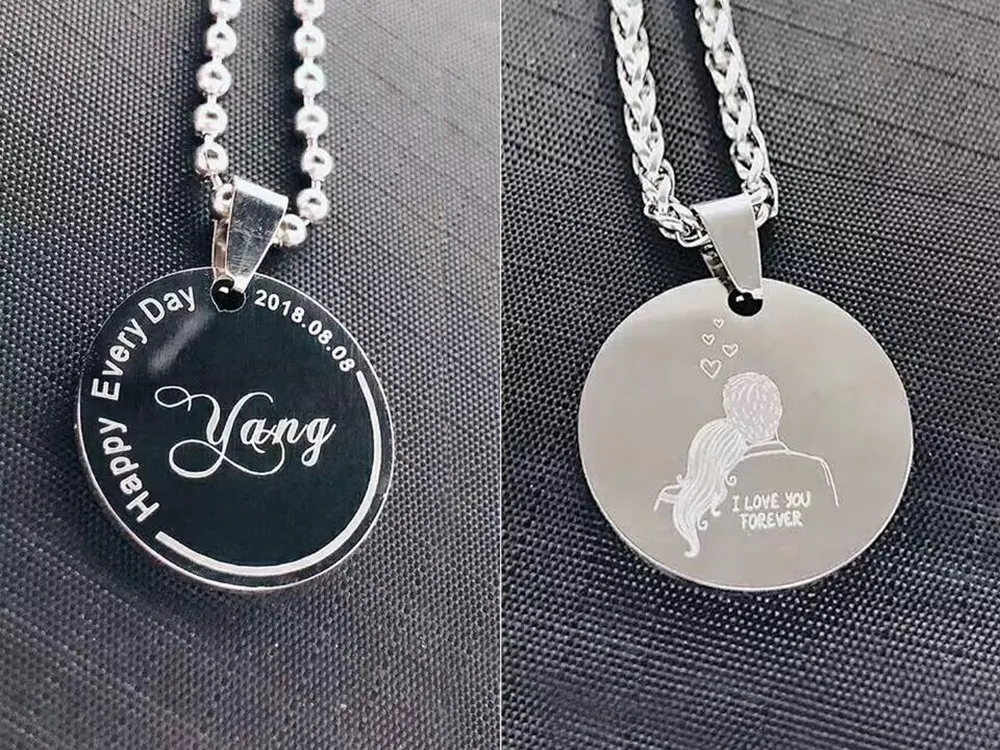
Another popular laser marking method is laser etching. This method doesn’t produce any groove like laser engraving. Instead, it first melts the material in the area and then allows it to cool. Once cooled down, the molten material expands and creates a raised mark.
Laser etching, also known as melting or foaming, is ideal for marking consumer gifts and metals.
Pros
- Alters the metal surface finish, besides increasing reflectivity and contrast.
- In this method, the depth of penetration is typically lower than 0.0001″.
- The speed is relatively fast because the material is instantly vaporized upon contact with the laser. This way, it maintains a high velocity while ensuring depth.
Cons
- Generates smoke and fine particles from the evaporation of materials.
- Typically, the marks are less resistant to wear and tear.
- During surface alteration, it can easily create stress concentrations.
Type #3 Laser Ablation
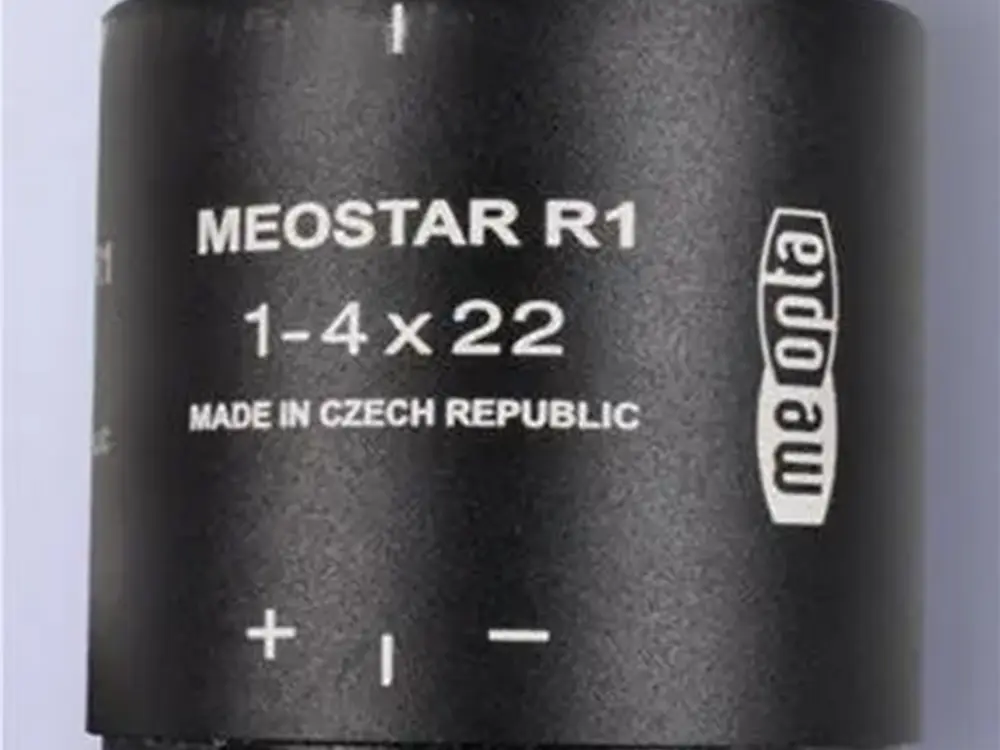
Laser ablation is the process of removing surface materials using laser energy. When the laser beam encounters the surface, the coating easily evaporates. These coatings can be paint, oxide, or other types of coatings.
The laser ablation marking technique is widely popular to create tumblers, signage, product labeling, and more. This type of marking typically lasts as long as your paint stays on the surface. The process usually doesn’t harm the underlying material, such as metal or other materials.
Pros
- An effective process for thin materials without harming the underlying materials.
- Works well for coating materials and can be used for surface treatment
- Allows contrast by revealing different layers beneath the surface.
Cons
- As it removes the coating layer, there is a health risk if it is not appropriately controlled.
- Often, the laser can damage the surface. Therefore, precise control is required when working with materials to prevent damage.
Type #4 Laser Annealing (Coloration)
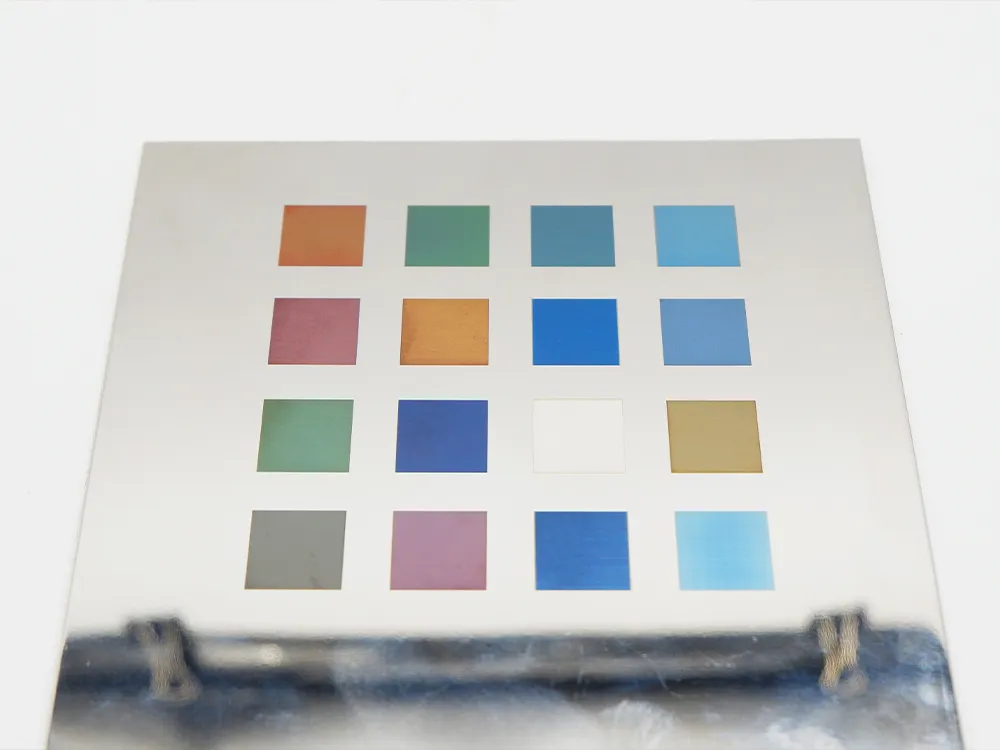
Laser annealing or coloration method uses a low-power laser beam. The beam moves slowly over the area requiring coloration. Thereafter, it changes color without making any damage or disrupting the surface. Using it can be beneficial if used properly for work.
Laser annealing can create a wide range of colors. It includes different grades of black, blue, green, yellow, and red.
Pros
- This method produces permanent color markings without removing or damaging the surface.
- It can achieve a wide range of vibrant and decorative colors. The color marking is precise and superior to painting or color printing.
Cons
- Laser annealing is a slower process compared to laser engraving or ablation.
- This method is not suitable for thermally sensitive or textured materials. It may create surface-level damage or defects if not handled correctly.
Type #5 Laser Carbonization
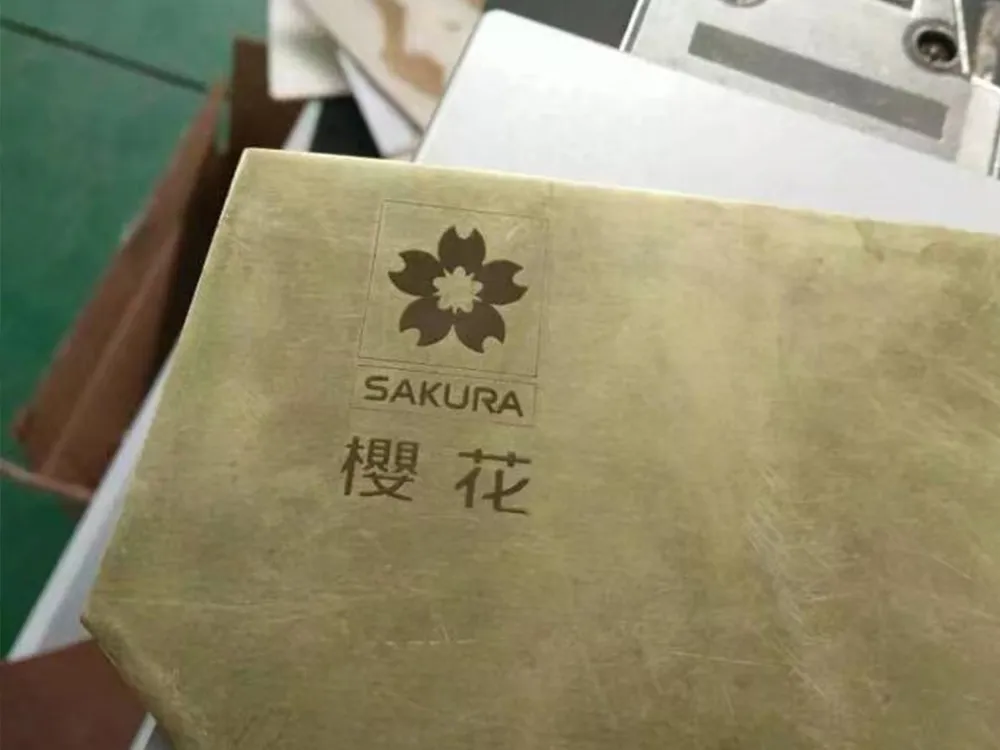
The laser carbonization marking method typically works on organic materials. You may think of wood, polymers, and leather. When the laser beam hits the surface, the organic particles burn and turn into carbon particles, which are black in nature. This way, we can create permanent marks on organic materials.
Popular products of laser carbonization marking include wooden items, leather goods, polymers and plastics, paper and cardboard, and rubber and silicone.
Pros
- Laser carbonization produces high-contrast, permanent black markings. It doesn’t need any extra inks or chemicals.
- It works effectively on a wide range of organic materials.
- Laser carbonization is an eco-friendly process that doesn’t produce any fumes.
- This method is ideal for decorative, branding, and personalized items.
Cons
- This method is not suitable for marking metals or inorganic materials.
- Carbonization causes shrinkage or porosity due to heat degradation and mass loss.
- The multiparametric pattern makes the optimization complex.
Type #6 Laser Coating/Bonding
Laser coating or bonding is an advanced method that melts and fuses materials. It is often referred to as laser cladding. It melts powder or wire onto a substrate with focused laser energy, establishing a strong metallurgical bond with minimum heat and deformation. Using this method, you can easily form a dense, strong, and single-layer coating.
You may apply this method to a wide range of materials, including iron, nickel, and cobalt alloys.
Pros
- Ideal for use in safety-critical or vital parts
- The marks are heat-resistant and cannot be damaged by salt or fluids.
- Enhance the bonding strength and the performance.
Cons
- The initial setup cost is comparatively higher.
- Require skilled operators to run the production process.
- Sometimes, rapid melting may lead to defect formation.
Type #7 Laser 3D Engraving
Laser 3D engraving removes material in layers by making deep engraving. From the digital to the physical conversion of the design, the lighter areas show a higher point, and the darker regions show a lower point. When removing the layer, areas corresponding to white remain unengraved. On the other hand, darker regions are engraved more deeply.
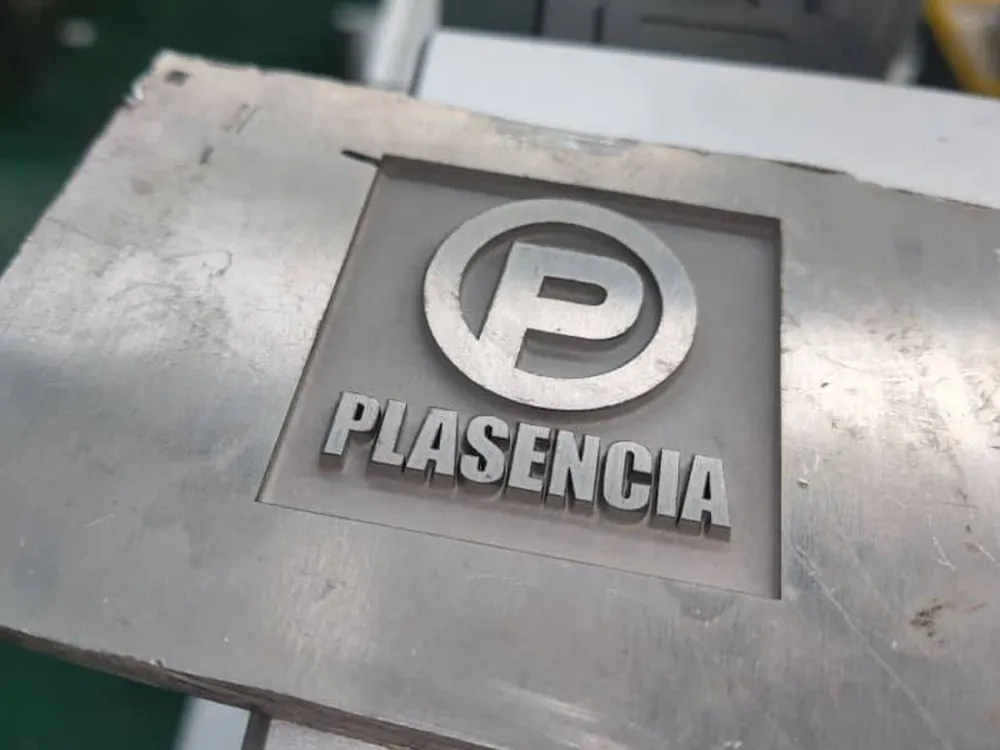
A 3D laser engraver can work on various types of material. Mainly, it is used for industrial purposes to work on stones, jewelry, glass, crystal, and other materials.
Pros
- Produces amazing complex shapes and realistic 3D textures
- Creates high-contrast and intricate multi-layered design
- Useful for mold making and decorative applications
Cons
- Compared to 2D engraving, 3D engraving is time-consuming
- Requires higher laser power and advanced control.
- Not suitable for thin or flexible materials
Type #8 Laser Foaming
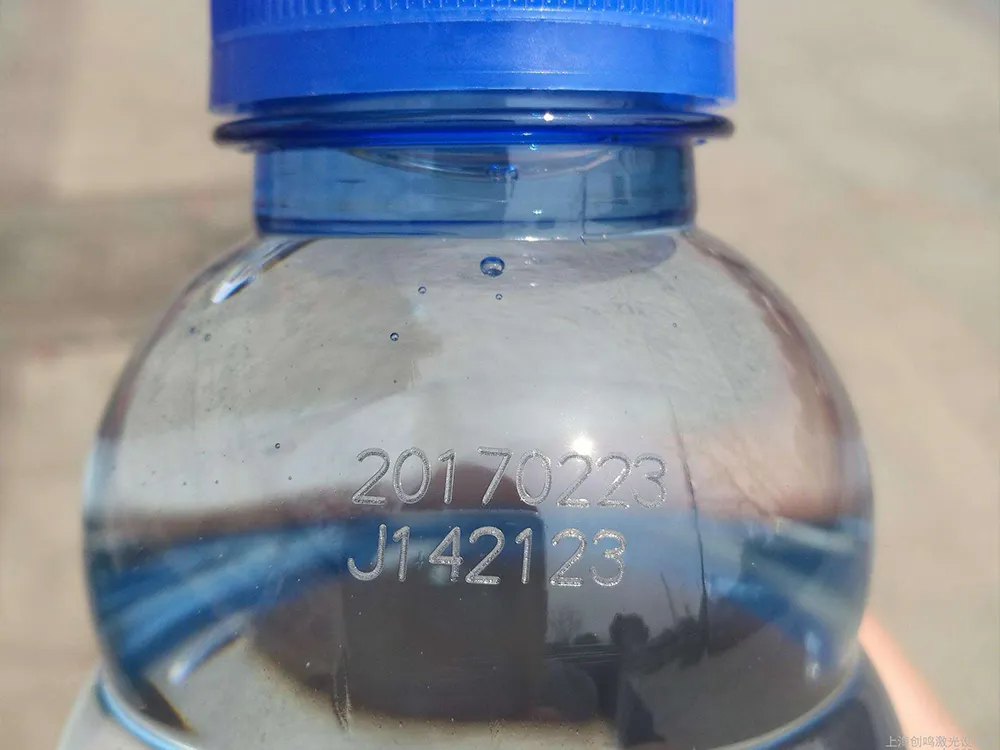
Laser foaming is one of the most popular types of laser marking. It uses a controlled laser to create bubbles on the surface of the material. This way, it can form a white, raised, or textured foam-like mark. Usually, it melts the material, which then forms a bubble, producing contrast by changing light refraction. Thereafter, the scattering light from bubbles creates a smooth and long-lasting mark.
Laser foaming is effective on various types of plastics, including polyurethane (PUR), polyethylene (PE), ethylene-vinyl acetate (EVA), polyester (PES), and polystyrene. These materials are suitable due to their ability to absorb CO2.
Laser-foaming popular products include bottles, containers, and consumer plastic boxes.
Pros
- Works well for packaging, cables, and consumer goods
- Produces smooth and permanent light marks
- Provides clean, crisp edges that manual tools struggle with
Cons
- Avoid using PVC foams, as they can generate harmful fumes
- Contrast may vary depending on the plastic color
- Not suitable for metals or ceramics
Summary
Laser marking typically offers many ways to create permanent marks on different materials. Each has its unique effects and specific use. You must choose the right method wisely to create the desired design on your product. The following table summarizes the differences between different types of laser marking methods.
| Type | Material Focus | Mark Depth | Surface Effect | Special Feature |
|---|---|---|---|---|
| Engraving | Metals, plastics | Deep | Grooves | Can fill with ink/paint |
| Etching | Metals, coated surfaces | Shallow | Slight depression | Highlights surface coating |
| Ablation | Thin films, plastics | Very shallow | Removes coating | Precise surface patterning |
| Annealing | Metals | None | Color change | Creates decorative effects |
| Carbonization | Wood, leather | Medium | Darkened area | Burns surface for contrast |
| Coating/Bonding | Metals, plastics | Surface layer | Added layer | Combines material with marking |
| 3D Engraving | Transparent plastics | Variable | 3D patterns inside | Creates depth without cutting surface |
| Foaming | Plastics | Raised | Textured surface | Expands material for tactile effect |
Above all, before choosing a method, you must first evaluate your project. Consider the environment in which your product will be used. Production cost, durability, types of materials, speed, and design heavily matter in this decision.
If you are looking for high-quality laser marking machines, please don’t hesitate to contact us. We are always ready to answer your queries.