You may be familiar with laser welding, but you might not be aware of its full capabilities. Yeah, laser welding is indeed an accurate and very convenient way of joining metals. It is a quick, reliable, and cost-effective method. However, most of us become confused when considering the welding strength compared to other methods.
Nowadays, people are gradually shifting from traditional technologies, such as MIG or TIG, to laser welding. Laser welding is more cost-effective in the long term. It is also easily portable and great for welding even fragile materials. So, why not choose laser welding?
But how strong is laser welding? Here comes the question for which you are here. This article highlights typical facts about laser welding and its strengths. To make the discussion even more reliable, we will present our recent test compared to MIG welding.
Is Laser Welding Stronger than MIG or TIG Welding?
The welding strength typically depends on various factors. What kind of materials are you working with? How about the thickness? In which application do you intend to use the welded metal parts?
Laser welding can be stronger than MIG or TIG. In specific cases, where high precision and low heat distortion are needed, laser welding is a better choice.
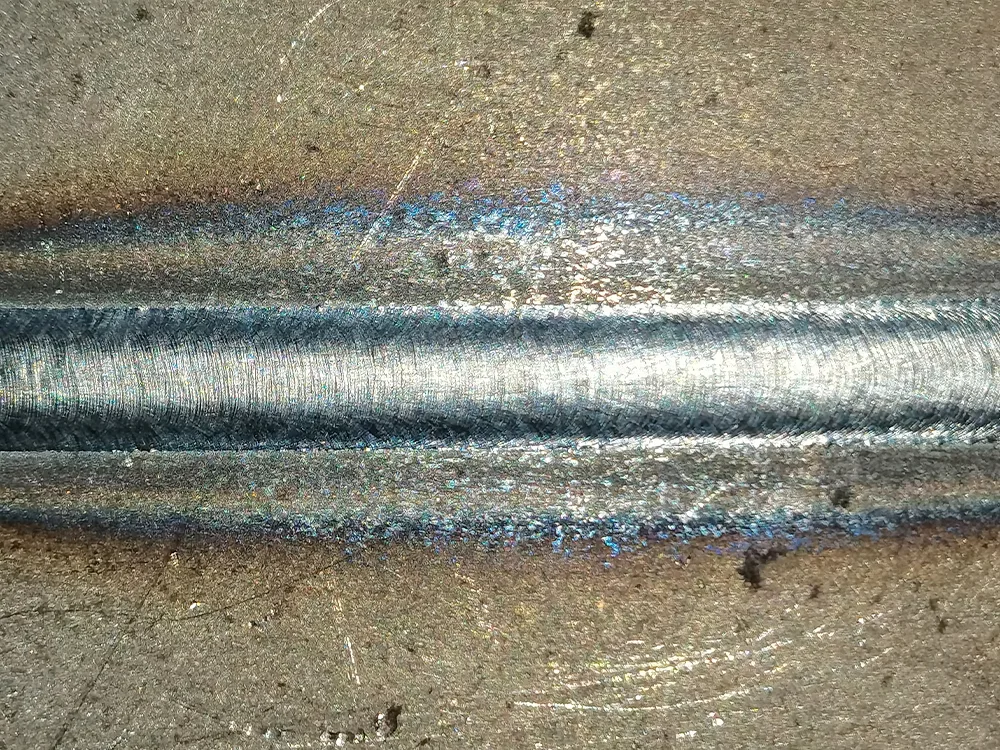
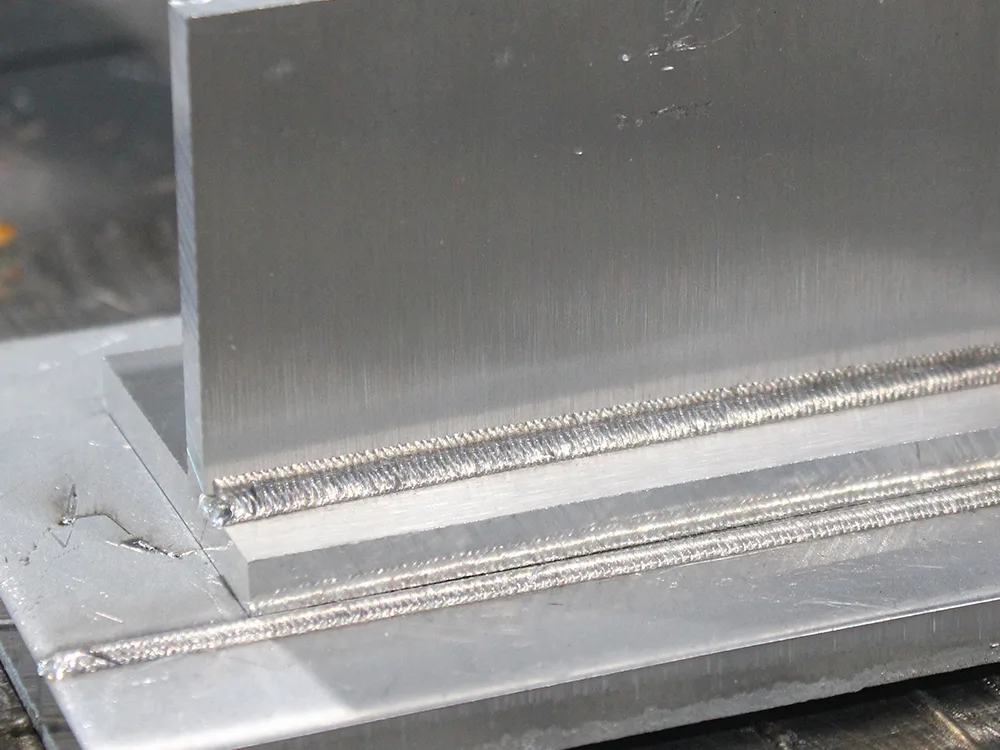
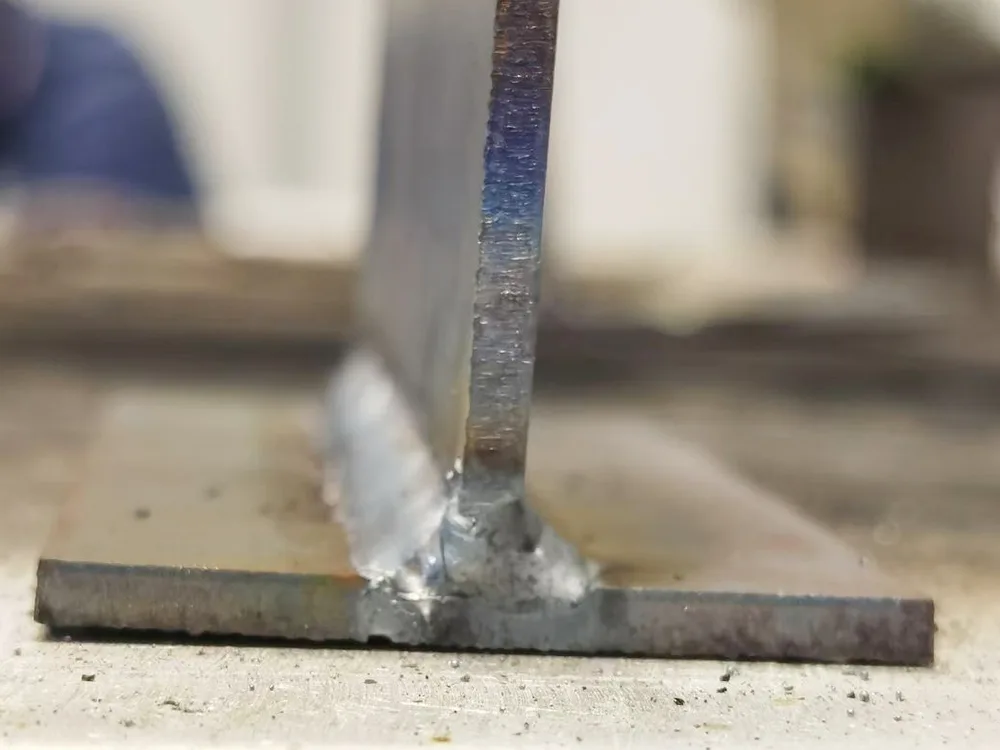
In laser welding, high-density energy enables the creation of deep penetration and strong fusion. This way, you can have a strong and narrow weld for thin to medium-thick materials.
Using laser technology can achieve 90% of the base material’s strength alone. Laser welding also produces a small heat-affected zone (HAZ). Less HAZ helps you gain a deep and narrow weld without losing quality. As a result, it easily increases the strength of every joint.
In comparison, MIG welding has several limitations in terms of welding. Primarily, limited penetration makes the joints weaker. Porosity and spatter can weaken the joints. Besides, the method generates a wider HAZ, which may ultimately affect the strength.
TIG is better than MIG welding, but not as efficient as laser welding. While TIG welding can provide detailed work, it may not achieve the same level of deeper penetration as laser welding. It also produces a massive amount of heat, which might lead to a wider HAZ and warping. Consequently, decrease the power of joints.
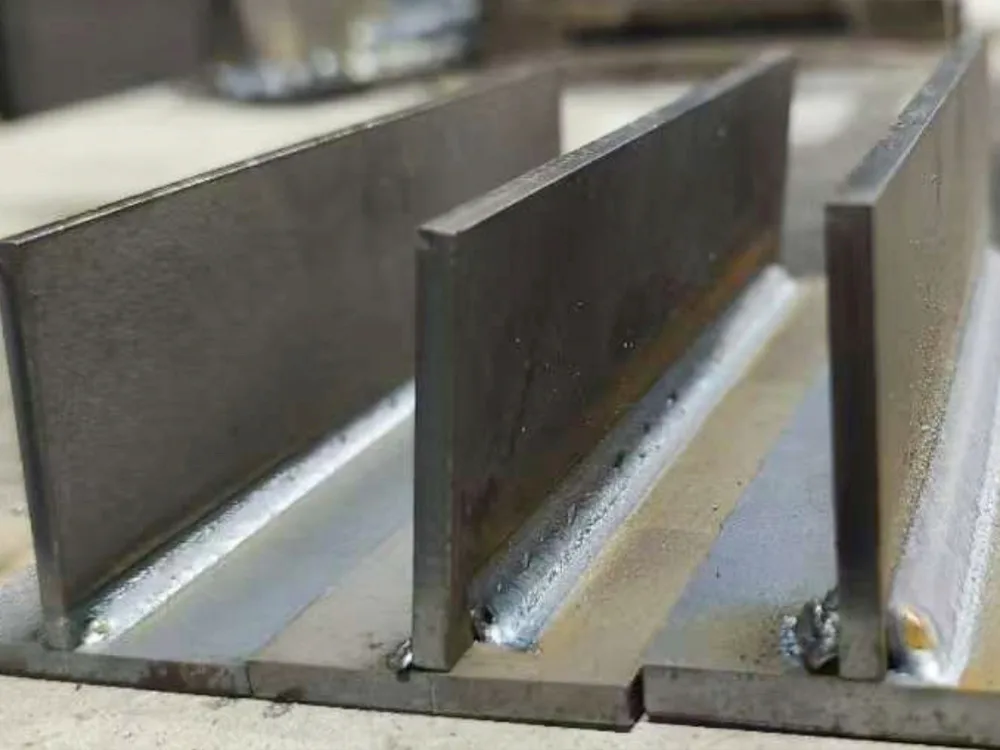
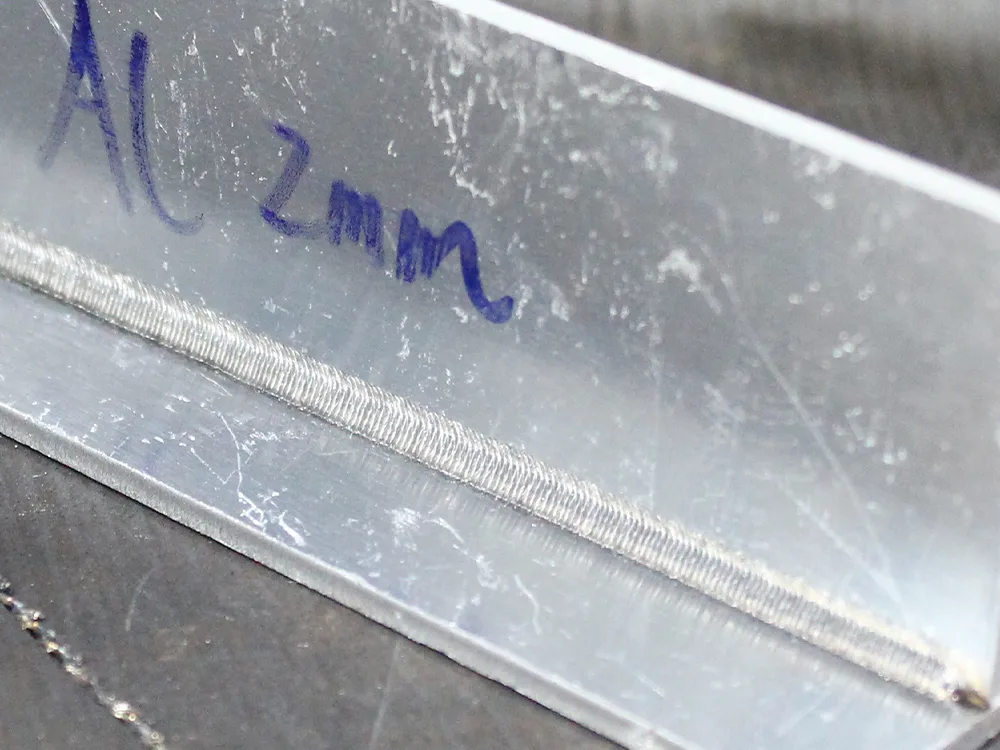
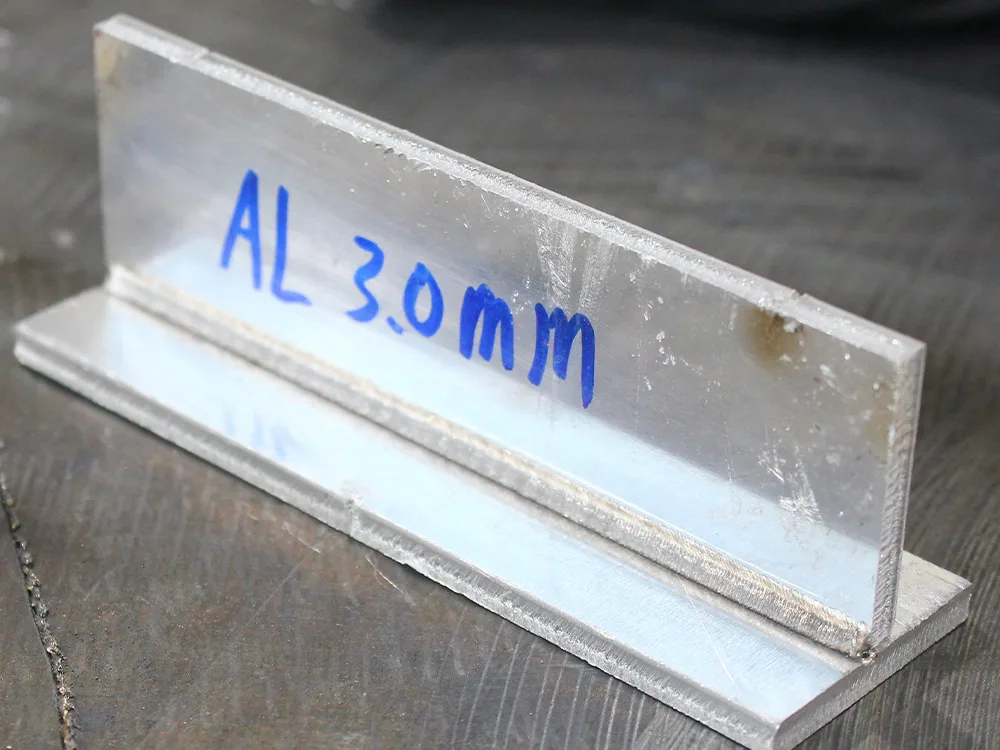
Different Ways to Evaluate Laser Welding Strength
How strong is a laser weld? There are different ways to define welding strength. Some of the most common methods include tensile strength testing, bend testing, and impact testing. However, these tests are sufficient for comparing the strength of laser welding with that of MIG or TIG welding.
#1 Tensile Strength
A tensile test measures the maximum pulling pressure that a joint can handle. In this test, a machine snaps metal until the sample comes apart. This way, a tensile test allows you to determine the strength of the welding and the maximum force it can withstand simultaneously.
If the joint does not come apart after pulling with significant force, it’s a positive sign. Overall, this test will help you to measure welding strength for load-bearing applications.
#2 Bend Testing
Bend testing checks the soundness and ductility of welding joints. Here, people bend welded metal at a specific angle. This angle enables you to check for cracks or deformation during the test. People use this test to assess how well the metal is welded and its ability to withstand stress.
On the other hand, you can also assess the quality and identify any issues with poor fusion or porosity, which might not be visible in other ways.
#3 Impact Testing
Impact testing refers to the process of applying a sudden force or shock to evaluate the integrity of welded joints. In this step, a pendulum is used to hit the weld joints and measure the amount of energy required to break them.
Impact testing helps you find the tendency to break brittle damage and maintain good control. You will find it useful for industrial work or in applications where parts are exposed to harsh conditions.
#4 Hardness Testing
With hardness testing, you can see how resistant the weld is against scratches or wear.
A machine presses a solid object to track the hardness level. This way, checking the durability will be easier, especially where parts move or have high friction.
The harder the weld, the more it can resist damage. If the weld passes this test, it may also increase the performance and quality. Overall, the test can serve as a comparison tool for the hardness of the base metal.
#5 Ultrasonic Testing
It’s a non-destructive testing method that allows you to inspect welding by sending a sound wave. After that, the echo helps identify cracks or damage. If any crack is found, the wave instantly reflects the signal. As the method is non-destructive and accurate, there is no chance of material damage or flaws.
Ultrasonic testing can detect defects even when the surface appears smooth and flawless. All these efforts are aimed at ensuring a strong and defect-free weld.
#6 Radiographic Testing
Radiographic testing is also a non-destructive testing method. It uses X-rays or gamma rays to obtain a visual of the inside of welds for inspection. Primarily, the radiation of these waves creates the image or film as it passes through the welding process. Thus, it can easily detect internal cracks or defects that affect weld strength. The entire process is meticulous and precise. Even a tiny crack or defect can’t pass by it.
Radiographic testing is crucial for safety-critical applications, such as those in the medical, pipeline, and aviation industries.
HantenCNC Laser Welding Strength Test Study
At HantenCNC, we experimented to determine the strength of laser welding. The goal was to compare an annular-spot ring laser with a traditional single-mode Gaussian laser to determine which produced cleaner, stronger welds on copper.

We conducted two trials using different lasers: a 4000 W single-mode with a 30 mm/s travel speed and a 6000 W ring laser with a 55 mm/s travel speed. We used both lasers to weld 3 mm copper plates and compared their surface appearance and weld quality.
The single-mode laser produced rough welds with excess spatter and stress. The ring laser achieved smoother welds with minimal spatter and more uniform metallography.

The ring laser’s design reduces turbulence in the molten pool. Its inner core penetrates deeply, while the outer ring controls the molten pool, resulting in stronger and more durable welds.
Why Laser Welding Offers Better Strength?
There are many technical reasons why laser welding offers better strength. Overall, laser welding is much more efficient than other methods. Let’s check why.
#1 Low Heat Input and Less Stress
Laser welding utilizes a low heat input throughout the entire process. Due to its lower heat input, the method is safer than conventional methods. It creates a smaller heat-affected zone (HAZ), which might reduce warping or weld weakening. Also, low heat input keeps the surrounding parts intact. This results in perfect and strong welding, ideal for fragile materials.
Less heat also means less residual stress. On the other hand, high stress can be the reason for fractures or cracks. So, to keep the joints stable and durable, laser welding is an excellent option. It can give you high-precision results at lower heat distortion.
#2 Less Negative Metallurgical Changes
For gaining better strength, fewer metallurgical changes are essential. Compared to old methods, laser welding has fewer negative metallurgical changes. As it uses lower heat and high focus, the base material does not undergo severe changes when welding. This helps to prevent damage and keep the metal strong. Additionally, the welding area remains safe and is less prone to softening.
Laser beam welding minimizes the chance of creating harmful elements. It also avoids making a weak zone in welding joints. This trait is the main reason for its wide application in thermally sensitive metals. Making fewer changes will help you achieve better joints that last longer.
#3 Ability to Penetrate Deeper and Make Narrow Welds
Laser technology can penetrate deeper into the material while maintaining a narrow weld. The laser beam plays a crucial role here in making a narrow weld that does not require any filler material. This approach is constructive when using thick or dense materials for welding. It ensures uniform penetration, resulting in strong bonding.
This process is necessary for the engine gears and the battery case. Additionally, it is crucial in the aerospace and medical sectors to work on delicate parts.
Ready to Buy a Laser Welding Machine?
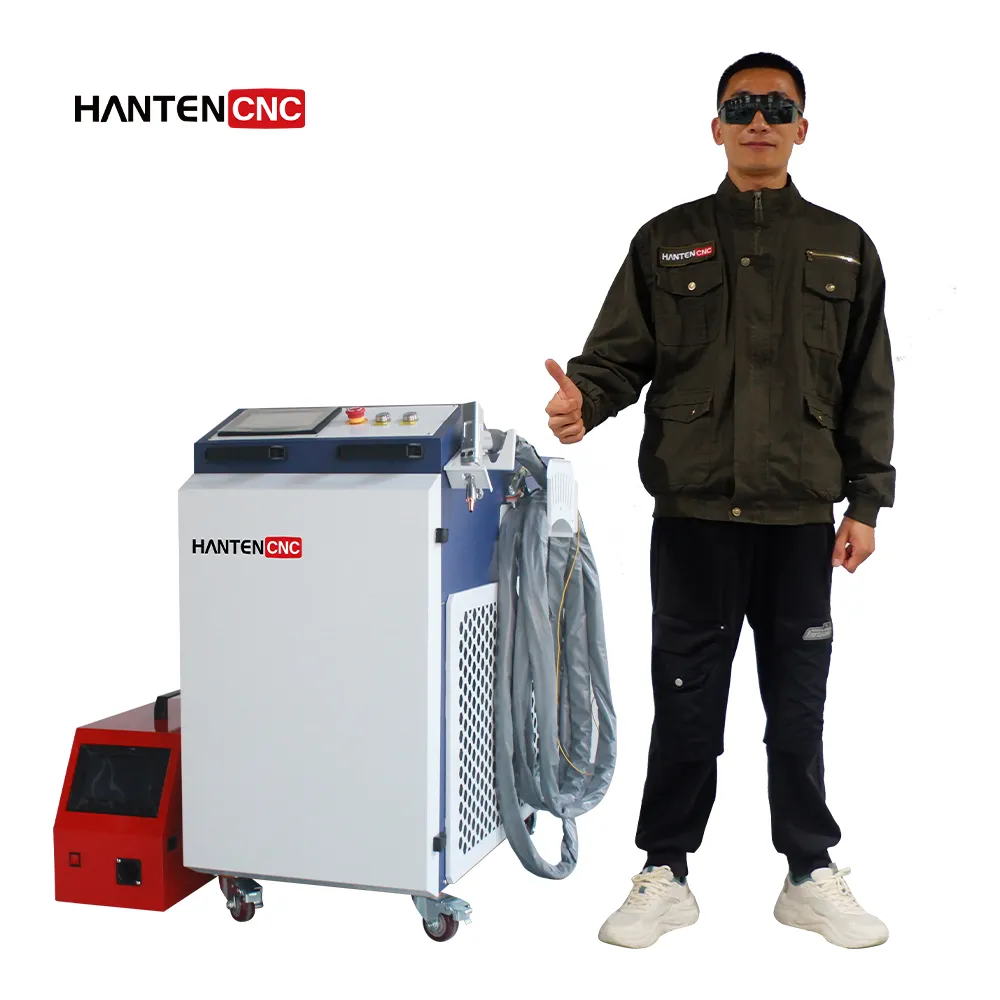
Are you ready to buy a laser welding machine? Don’t wait anymore. Start your journey with advanced HantenCNC machines. We have 20+ years of experience in manufacturing handheld laser welders.
Our 3000W 3-in-1 laser welding machine offers unique welding tools, displays, and keys. Its ability to handle a wide range of materials is astonishing. Also, the machine provides high precision for welding copper, aluminum, and titanium. In addition to welding, the machine also offers cutting and cleaning features.
If you need a budget-friendly solution for welding, consider our top product, the 3-in-1 handheld laser welder. It offers two types of power, ranging from 1500 to 3000 W. Additionally, it provides three different nozzles to serve various work applications.
HantenCNC offers this product for a price range of $3,900 to $21,600. Then, what’s stopping you? Grab this opportunity now to grow your business.