Traceability is a very important part of automotive manufacturing. Different types of traceability information are added to automotive parts in various ways. Among these methods, automotive laser marking is one of the most popular solutions. It is a precise, high-speed, and durable marking technology. Laser marking can also be easily integrated into automotive production lines. As a result, manufacturers can improve production speed and maintain consistent marking quality.
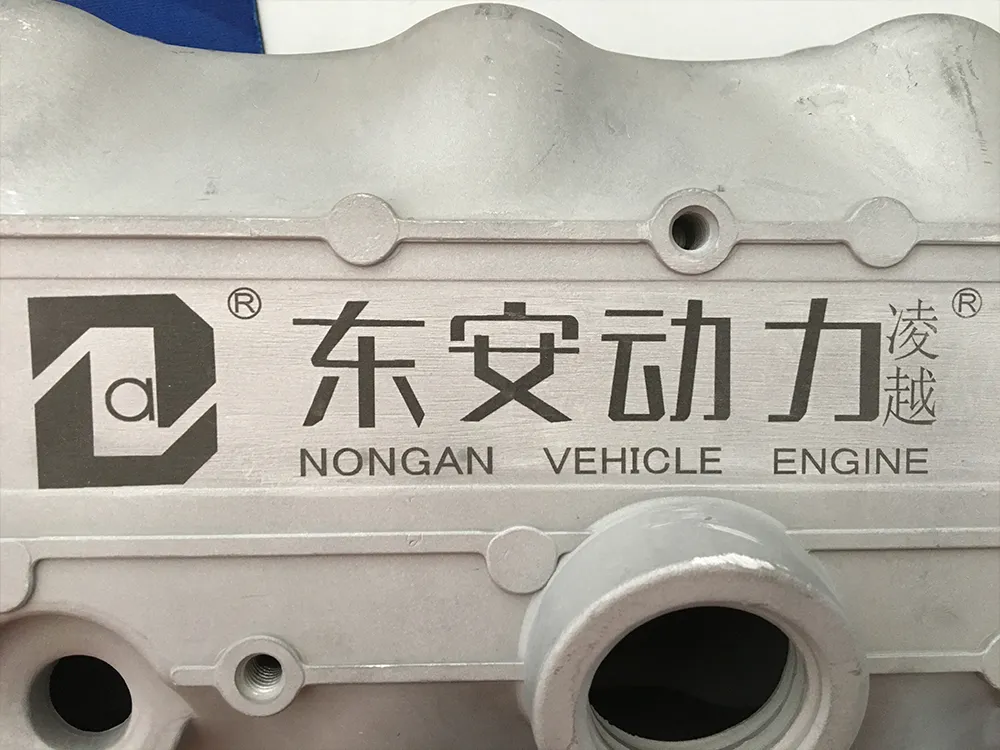
Automotive laser marking is widely used to add serial numbers, data matrix codes, logos, and other important information to various automotive components. The marks remain clear and readable even in harsh environments. This makes the technology highly reliable for the automotive industry.
In this article, we will discuss what automotive laser marking is and the different types of laser marking methods. We will also explore common applications of laser marking and the automotive parts that require them.
Different Ways of Automotive Laser Marking
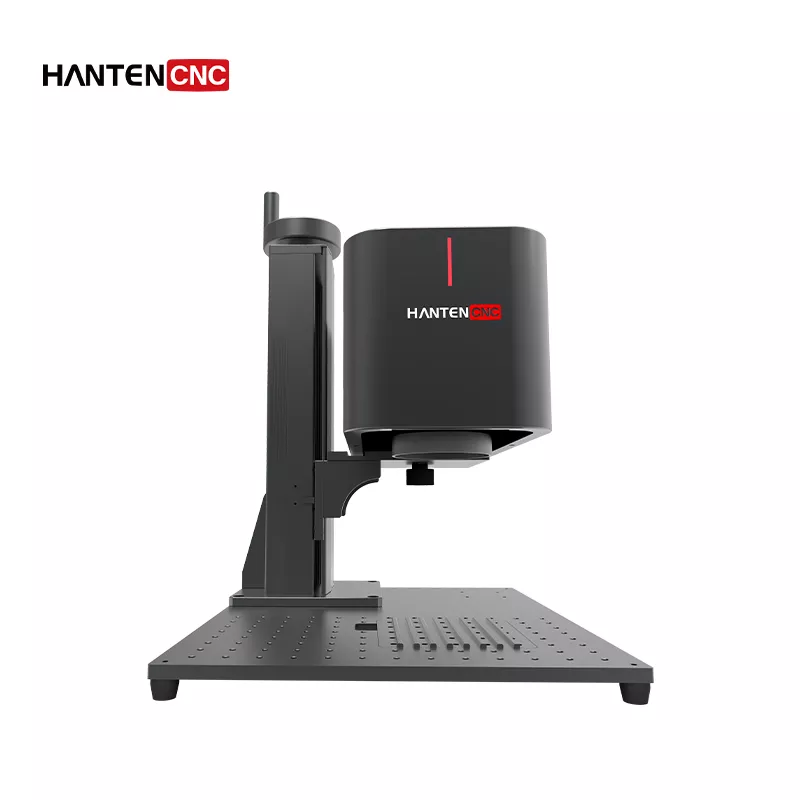
Different types of materials behave differently with the laser. That’s where different types of laser marking come in. The effects of each laser marking type differ. Therefore, choosing the right method for your application is critical. And you must understand how each type works on automotive parts.
Laser Engraving
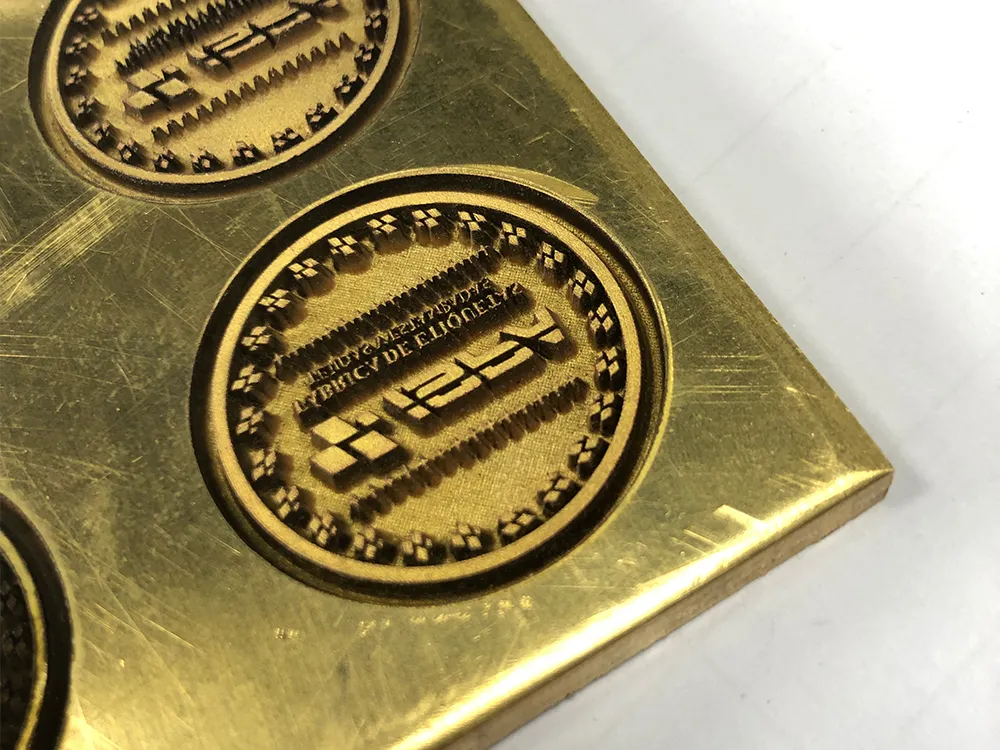
Laser engraving makes a groove on the material surface. Unlike marking that changes color, it directly removes material.
The method vaporizes the material, leaving a deep, wear-resistant mark or groove on the surface. Generally, laser marking is ideal for parts that face extreme friction or post-treatment during use. Most automotive manufacturers use it for metal chassis parts, gears, engine rotors, brake rotors, and so on.
Laser Marking
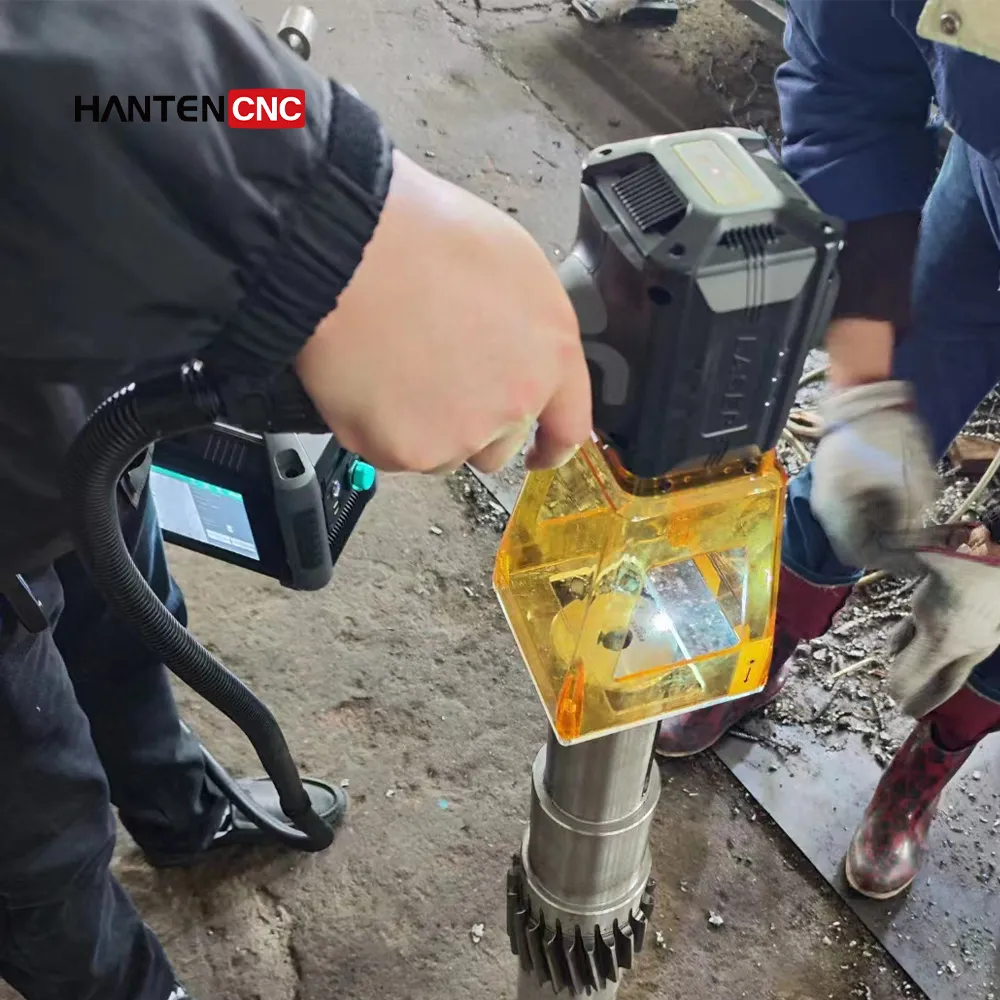
Laser marking in the automotive industry works by changing the surface color with low heat. During the process, it does not remove any surface material. When you heat the surface, it creates a high-contrast, permanent dark marking through localized oxidation. This way, the material surface remains safe and helps prevent long-term rust. Makers find their application for VIN plates, fuel injectors, and steel components.
Laser Etching
Laser etching is a technique that rapidly heats up the surface, causing it to expand and create a high-contrast mark. This entire process is quite fast. It’s an ideal process for tracking large-volume parts. This method is heavily used for 2D data matrix marks, creating serial numbers, and coated metal parts. Laser etching is a common method of marking automotive parts.
Laser Foaming
The laser foaming technique targets the plastics, melting them to trap microscopic bubbles. Later, these bubbles refract light and appear as bright, contrasting marks. Another crucial thing is that it is safe and does not damage the part structure. You can use it on dashboard panels, interior buttons, connector housings, and other surfaces.
Types of Laser Marks on Automotive Parts
Unlike traditional marking methods, laser marking is a more durable, faster, and cheaper solution. With this method, you can mark a wide range of traceability information. Some of the most common traceability issues are mentioned as follows:
1. Data Matrix Code
Data matrix codes are typically 2D barcodes that can store large amounts of information. Information is mostly related to manufacturing data. Using optical scanners, you can easily track parts across the supply chain. Lasers can mark these codes precisely on every hard metal. Manufacturers consider marking these codes as a top priority for traceability in the automotive sector.
2. Serial Numbers
For better separation and collection, every part needs a unique identity. A serial number serves the same purpose. It allows you to track products and recall them precisely. Using a laser marker for automotive components makes the process more reliable. These numbers never fade and remain permanent, providing a long-lasting performance.
3. Company Logo and Designs
Creating company logos and designs is for true identity and branding strategy. Also, company logos help you to prevent counterfeiting and supply products to the automotive market. Automotive part marking with a laser never induces structural defects. Besides, logos do not wear out easily, even under harsh conditions. So you can easily apply a laser-marking method to achieve better results.
4. Short Instruction
Short instructions are vital for users. They provide particular information about the product. It can be torque, installation information, and other sensitive data. Usually, they guide the technician on future maintenance or assembly. You can mark this info on the belt covers, oil filler lids, radiator caps, and so on.
Types of Automotive Parts that Need Marks
Automotive laser marking can be used on a wide range of auto parts. Starting from engine components to dashboard switches, laser marking can mark almost all auto parts. Some of the most common automotive parts are as follows:
Molded Part for Automobiles
Molded parts come in complex shapes. These parts form the core of a vehicle’s body or frame. Large parts from aluminum or magnesium casting need unique identification. As you know, automotive laser marking can create a deep mark on the surface. They can mark complex shapes and uneven surfaces. Thus, each part becomes easy to track. Examples of these molded automotive parts are engine blocks, shock towers, and cases.
Plastic Components
Plastic components are common parts used in the automotive sector for various purposes. You can find them in every vehicle nowadays. For exterior or interior use, they require durable markings that withstand various types of weather conditions. Lasers can create durable marks on surfaces without degrading their quality. These parts are boxes, fans, and bumper brackets.
Ball Bearings
Ball bearings are one of the crucial automotive parts used in a vehicle. These parts need to endure high-speed rotation and friction during use. For this reason, it must be functional and need a mark that is well-developed and non-destructive. Here, the laser marking plays a vital role. It creates marks that prevent premature wear. With it, you can batch numbers, codes, or other dimensional parameters.
Nylon Fuel Line (Polyamide)
Nylon fuel line transports fuel under high pressure. These lines may also face extreme thermal shifts in the vehicle hood. They must be marked for safety and compliance. Laser marking ensures a permanent marking on tubes. It does not weaken the structural integrity. Polyamide remains safe even during use. You can mark the pressure, direction, and other things here.
Steel Pressure Pipe
Steel pressure pipes transport hydraulic fluids for the brake and steering. These pipes operate under high pressure and heat. Laser engraving creates a deep, visible mark that remains even when the surface is greasy and dirty. Mark types can be dimension, wall thickness, material grade, and others.
Temperature Sensor
These electronic devices are vital as they read and monitor engine or exhaust gas temperature. For such sensitive work, they require reliable marking to protect their internal circuits when in use. Makers mark these sensors with circuit resistance, part numbers, or QR codes.
Dashboard switches
Dashboard switches are multifunctional and serve many purposes. They also control windows, wipers, lights, and climate. For each task, there are particular buttons with symbols. The laser ablation method removes the surface layer, revealing the underlying layer. These marks never wear off and remain readable for a lifetime.
Benefits of Laser Marking in the Automotive Industry
There are several reasons to choose laser marking in the automotive industry. Compared to other technologies, laser marking offers better precision, more durability, and faster solutions. The following three reasons are the most important factors behind laser marking’s popularity in the automotive industry.
High Precision Marking
Laser marking is widely used across many regions for its high-precision results. Its automated approach makes the beam hit the exact surface every time. The entire process remains highly consistent. There is no chance of human error. The level of precision makes it a top choice for the automotive industry.
Clear, High Quality & Durable Marking
Laser marks are permanent. These marks do not fade, peel off, or wash off. They can withstand various circumstances and last a long time. Laser marks can resist UV rays, friction, mechanical stress, and heat without deforming. Therefore, you no longer need to worry about quality or durability. They stay readable throughout the vehicle’s lifespan.
Automation Integration
Automation is the main reason why most people fall for laser technology. From start to finish, each part goes through a consistent process. The system works with robots, conveyors, and a vision system. As mentioned before, there is no need for human intervention. It makes the process error-free and leads to a cost-effective solution in the long term.
Summary
Let’s wrap everything up! This article explains the broader use of laser marking in the automotive industry. It delivers extreme precision, guaranteeing up to ±0.01mm.
The controlled light beam focuses only on the targeted areas or spots. Every instruction is provided and controlled through a computer. Zero tolerance is ensured for quality and consistency. Finally, each mark comes out identical.
Such advantages make technology a favorite choice for automotive parts. Every maker demands unmatched cutting marks. The clearer the marks, the greater the contrast, the more confident customers will be in you. Despite being qualitative, it is also cost-effective.
If you need further information on laser automotive part markings, contact us today. Our friendly team is always ready to assist you.