Laser marking is a modern technique that uses high-power laser light to produce a permanent mark. The laser directly interacts with the material, changing its texture or appearance. There are various types of laser marking machines that are suited to specific applications. None of them requires any physical parts or inks to create marks.
Where other methods like printing and stamping fail, laser stands out. Marks made with traditional methods wear off or fade early. Besides, they also require expensive consumables or chemicals. At the same time, lasers do not require any of them. It’s a totally non-contact process that keeps the material’s surface intact.
A laser machine can cut, mark, engrave, or even weld. It depends on the purpose of your work. In this article, we will provide you with an in-depth overview of the types of laser marking, the materials they can mark, and their efficiency. Read forward for clear details.
Different Types of Laser Marking Machines
Laser marking machines come in various types based on their operation. Each type is designed to handle specific materials. Some machines can handle wood, plastic, and leather; others work well on metals. Besides, some are excellent at marking pharmaceuticals, electronics, and cables. Here is a broad discussion about five types of laser marking machines.
Fiber Laser Marking Machines & MOPA Technology
Fiber laser markers use a fiber-optic laser doped with rare-earth metals. These metals help generate a powerful beam that can easily cut even reflective metal. Fiber lasers are one of the finest types of laser marking machines. They are known for being fast, reliable, and low-maintenance.
The Pro Choice: MOPA Adjustments
MOPA lasers are specialized types of fiber lasers with flexible pulse durations. You can control the duration of each laser pulse based on your requirements. It allows you to mark plastics and apply color to stainless steel. Generally, if you see a mark on a metal watch, it was likely made with a MOPA laser.
CO2 Laser Marking Machines
CO2 laser markers use gases such as carbon dioxide, nitrogen, and helium. These gases play a prominent role in producing longer laser wavelengths. Unlike a fiber laser, a CO2 laser beam can pass through almost all metals but is effective on organic materials.
These machines are widely used in the textile and packaging industries. You will find them marking date codes on plastic bottles or burning logos into leather wallets. From cardboards to denim jeans, it’s the go-to option for organic surfaces.
Green Laser Marking Machines
Green lasers produce light in the visible spectrum. This wavelength is comparatively lower than that of CO2 and fiber lasers. It is highly absorbed by metals that typically reflect infrared light. This feature makes it a great middle-ground tool for particular operations.
These machines primarily serve for highly reflective metals like gold, silver, and copper. You can also work on sensitive plastics and silicon wafers with it. Also, many people find it useful in the solar power industry for marking thin-film cells.
UV Laser Marking Machines
UV lasers use a 355 nm wavelength to perform “cold marking”. Instead of burning the metal surface, it breaks the metal’s molecular bonds directly. This way, it creates a high-contrast mark without thermal damage or charring.
These UV laser marking machines are suitable for the pharmaceutical and electronics sectors. It can be used to mark tablets and pill capsules without burning through insulation. It also leaves clear, white stains on black polymers used in medical housing. A UV laser is the safest option if a substance is likely to melt or warp.
What Materials Can be Laser Marked
Laser markers can work on a vast range of material surfaces. Their versatility and manufacturability have made them suitable for a wide range of materials. Additionally, their customization feature is a vital factor in ensuring industrial traceability. Despite their versatility, the machines are also known for precision cutting and engraving.
Metal
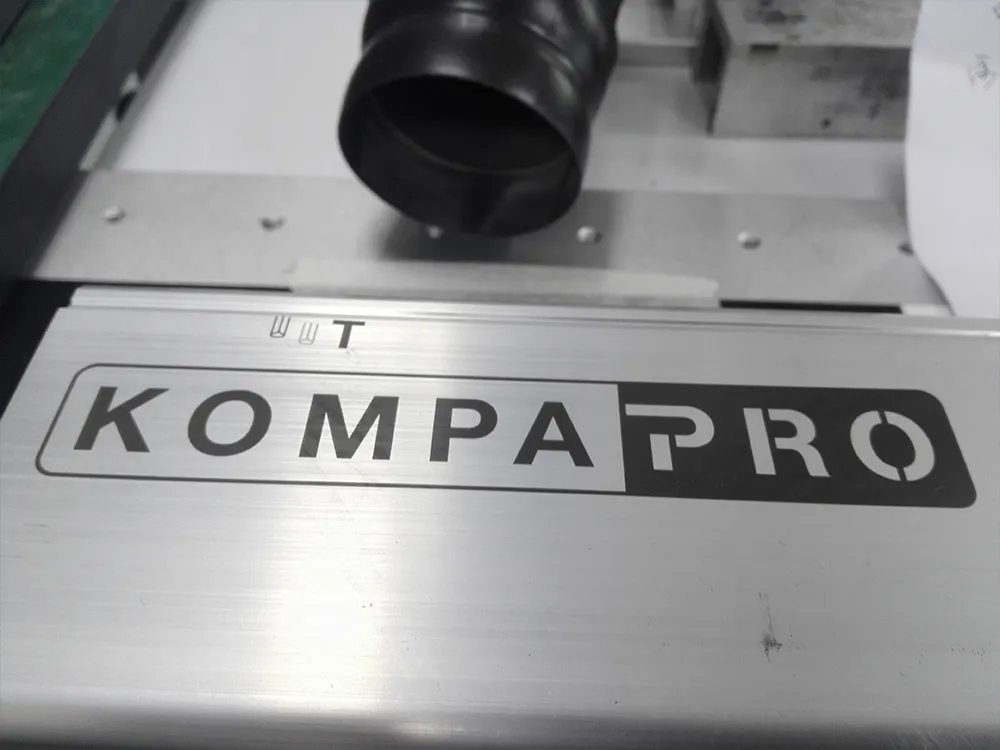
Steel, aluminum, and brass are perfect metals for laser marking. The beam creates sharp contrasts in surfaces, sometimes shallow and deep. Serial numbers and logos appear clearly. Mostly industrial components rely on them.
Plastics
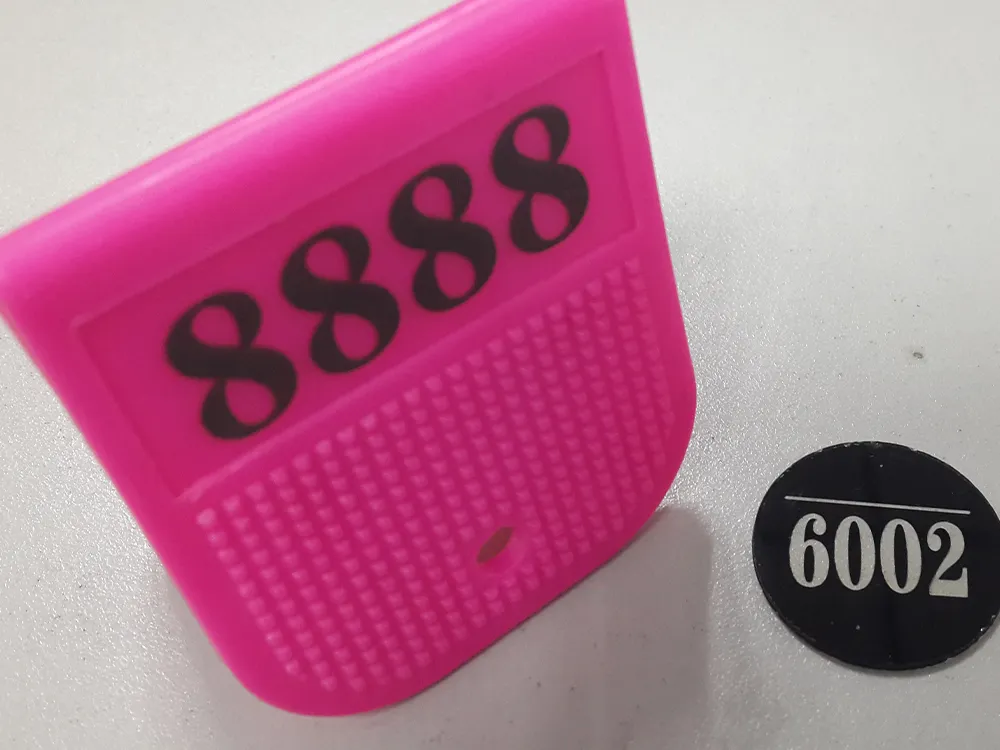
Plastic marks generally go through a chemical change or surface melting. It works well on ABS, polyethylene (PU), or polycarbonate. These are ideal for buttons, household items, and medical tools that need clear labels.
Ceramics
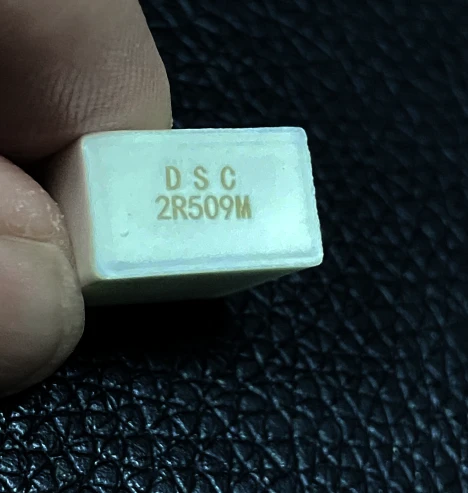
Ceramic marking involves removing the top layer or altering the surface. These are industrial tiles, pottery, and technical components. The ceramic marks are permanent and resistant to heat, chemicals, and wear.
Lacquer
For lacquer, the laser selectively removes the top layer, revealing the base material underneath. It is very common for “day-and-night” switches in a car. Designs remain appealing from coated metals to treated wood.
Glass
Laser marking on glass items creates a sophisticated, frosted effect. The light beam micro-fractures the surface rather than breaking it. It’s a popular branding technique for wine shops, mirrors, or laboratory glasses.

Different Types of Laser Marking Methods
Beyond the different types of laser marking machines, the method used in each case determines the final appearance of the marks. Each method differs in its working criteria and functionality. Based on your project needs, choose the right option. Here is how these methods of marking processes work.
Laser Annealing
Laser annealing is a famous laser marking type that creates a localized oxidation on metal surfaces. You can change the surface color without removing any materials. As a result, the surface develops a highly durable, corrosion-resistant mark.
Laser Engraving
Laser engraving removes material by using high-power laser beams to vaporize the surface. Thus, it creates a deep, narrow mark or indent in the surface. These marks are curved and cannot be easily wiped away. This method is considered the most durable among the laser marking types.
Laser Foaming
Foaming occurs when the laser encounters a surface that melts. These materials are made of certain plastics. The process creates tiny bubbles that get trapped in the material when it cools. Bubbles scatter light, creating a raised, light mark on a dark background.
Color Change or Frothing
This technique uses a photochemical reaction to change the material’s surface pigments. During this work, it does not even damage the texture. For this reason, it is suitable for specialized plastics that require a high contrast logo and are easy to read.
Laser Carbonization
This method uses high heat to alter the surface texture and break chemical bonds. It releases carbon onto the surface, which then forms a dark or black marking. It makes the process effective for light-colored synthetic materials, wood, and leather.
Color Removal or Material Removal
In this method, the laser removes the top coating, such as a color or lacquer, from a material. Consequently, it reveals the color of the base material beneath, leaving a clear mark. From the backlit buttons of cars to electronic device logos, many people use this method for business purposes.
Why Choose Laser Marking for Product Markings
Laser marking is a versatile method, as mentioned earlier. Apart from this, what should you opt for: laser marking? Well, it offers several advantages that other traditional methods cannot even match. Slow processing, low precision, and high maintenance limit the conventional methods. As a result, lasers become an easy, efficient option for every manufacturer.
Precision Technology
Laser marking offers unmatched accuracy and precision. The beam can operate at a microscopic level, creating sharp lines that are impossible to achieve by hand. Since it is a non-contact process, there is also no risk of material damage.
Versatility
One laser machine can handle many materials and different tasks. From hard metals to soft leathers, denims, and delicate glass, it works on almost everything. On these items, they can create dark marks, deep grooves, and vibrant colors based on the material.
Customization and Flexibility
Customization is one of the remarkable advantages. Laser marking is usually controlled by software, making it easy to change the design instantly. You can switch from barcodes to complex designs without changing any physical parts. It makes the process suitable for both small- and high-volume production.
Industry Applications
Laser marking has wide applications in the medical, automotive, aerospace, and electronics industries. It is used to track surgical tools and to mark PCBs or VINs on cars. Even under harsh conditions, such as heat and chemicals, they remain legible.
Contact Us Today
For more information about the laser markers, feel free to contact our customer support team. HantenCNC produces different types of laser marking systems. The company also offers customization for production lines, from small-scale to large-scale businesses.