We need a cutting tool to make almost anything. It can be a simple household item or an industrial machine or piece of equipment. In other words, cutting is often an important step before we can make something. Two of the most popular cutting methods are CNC cutting and laser cutting. Today, we will be explaining the “CNC VS Laser Cutter”.
What is a CNC Cutter
CNC stands for Computer Numerical Control. It is a computer-controlled machine that uses a physical cutting tool to shape or remove material. The machine follows computer instructions to move along the cutting path. With this technology, it can cut, carve, drill, mill, and shape different materials.
CNC cutters are available in various types and sizes. Some are designed for woodworking, while others are ideal for metals and other materials.

Pros
- CNC cutters are versatile. They can process wood, plastic, aluminum, steel, and other materials.
- They can make deep cuts, holes, and grooves.
- CNC cutters can create complex 3D shapes.
- They can produce the same design many times.
- CNC systems allow accurate and consistent cutting.
Cons
- Cutting tools can become dull and need to be replaced.
- The physical cutting process can produce noise, which makes workers uncomfortable.
- CNC cutting produces chips, dust, and shavings.
- If you are a beginner, you will need proper training to operate the machine properly.
What is a Laser Cutter
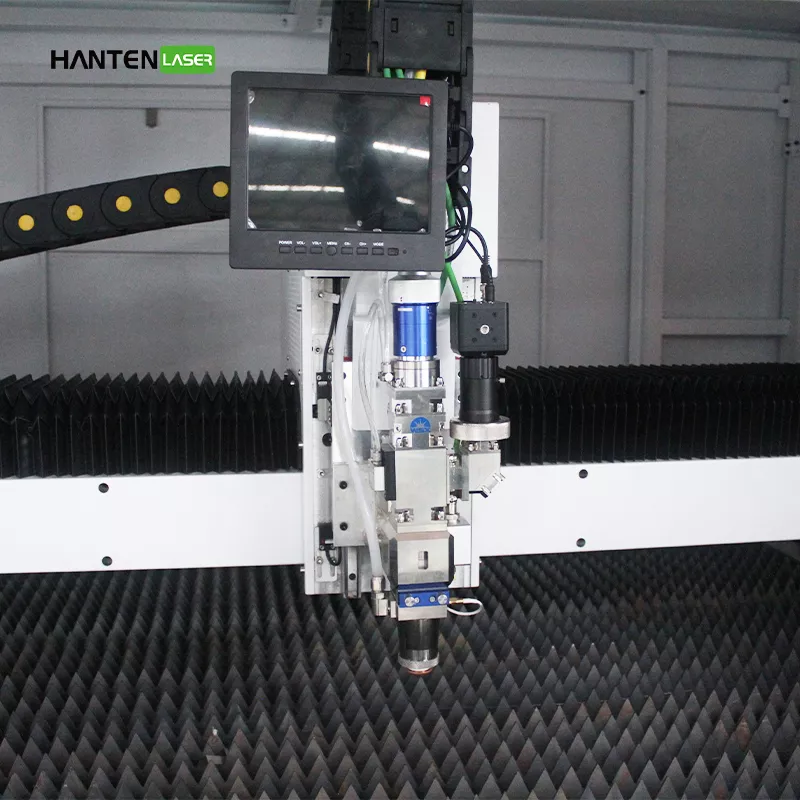
A laser cutter is also a computer-controlled machine that reshapes materials. It uses a highly focused laser to cut, engrave, or mark materials. Unlike a CNC cutter, it doesn’t use a physical tool. Instead, the laser uses heat to melt, burn, or vaporize the material.
Laser cutters usually come with different laser sources. CO2 lasers are commonly used for engraving non-metals. Fiber lasers, on the other hand, are ideal for metals. The right laser depends on the materials you use, material thickness, and application.
Pros
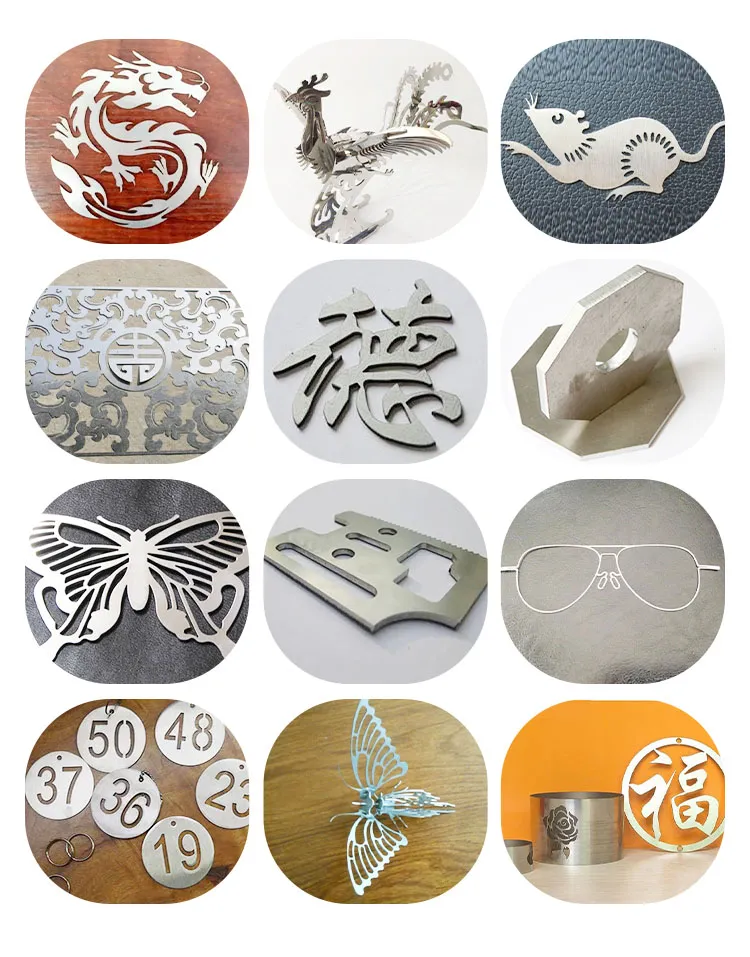
- A laser cutter can create fine lines and detailed patterns
- It doesn’t physically touch the material. As a result, the material remains intact.
- A laser cutter is highly versatile. It can work with metals, non-metals, thick and thin materials, and all shapes.
- There is no hassle of changing cutting tools, unlike with CNC cutters.
- Laser cutters can deal with many designs quickly.
- It is easy to use. You just need to import a design and set the cutting parameters.
Cons
- Industrial laser cutters are initially expensive.
- To work with various types of materials, you will need diverse laser power options.
- Some materials produce harmful fumes when heated. You must ensure your device is properly ventilated.
CNC VS Laser Cutter: Key Differences
CNC cutters and laser cutters are both popular tools for shaping materials. People usually use these devices in workshops, factories, and small businesses. Their goal is the same: cutting materials. However, they cut differently.
A CNC machine uses a physical cutting tool. A laser cutter, by contrast, uses a focused laser beam. Their difference affects cutting speed, precision, material compatibility, noise, cost, and more. To decide which is better, compare each factor with your project needs. Specifically, the right method depends on your material, project, budget, and production needs.
#1 Cutting Method
Cutting methods differ completely between CNC and laser cutting. A CNC cutter typically uses a physical tool to remove material. It rotates at a constant speed, or the object itself rotates during the cutting process. With the programmed paths, the cutting tool moves along the object and shapes it. This method can cut, carve, drill, and shape the material. In this case, you will use different tools for different jobs.
On the other hand, a laser cutter uses a focused laser beam for the work. The highly focused laser heats the material until it melts, burns, or vaporizes. There is no physical cutting tool. The laser follows a programmed path to create the desired shape. Since the machine doesn’t even need to touch the objects, the process is non-contact.
#2 Precision Level
Precision typically determines how accurately a machine can cut a material. Both CNC and laser cutters offer high precision. However, their accuracy still depends on the cutting method, material, and your machine settings.
CNC cutting machines mainly use physical tools to cut materials. They can create accurate holes, grooves, and 3D shapes. However, this cutting method may not work well on hard materials, such as metals or wood. However, tool wear and vibration may affect final accuracy. The cutting tool also has a fixed size, limiting how small the detail can be.
On the other hand, laser cutters use a focused laser beam. It can create very fine lines and detailed patterns. It doesn’t touch the material during cutting. As a result, it reduces the risk of moving or bending the material. Laser cutters are often ideal for detailed design on thin materials.
#3 Material Versatility
Material versatility is another crucial factor. It determines your business productivity and profit margin. Both CNC and laser cutters can process different materials. However, laser cutters are more versatile than CNC cutting machines.
CNC cutters can process wood, plastic, metals, and various other hard materials. This method suits thick, hard materials best. Different materials require different cutting tools.
A laser cutting machine can process wood, acrylic, fabric, metals, and even paper. However, different materials may require different laser types. For example, CO2 lasers are commonly used for wood and acrylic. Fiber lasers are ideal for metal cutting. However, you can also use a CO2 laser to remove coatings from metals. The specific choice depends on your project needs.
#4 Cutting Depth
Cutting depth determines how deep a machine can cut into a material. Some projects need shallow cuts, while some might need deep cuts or holes. CNC and laser cutters can handle these tasks differently. In this case, a laser cutting machine offers more versatility.
CNC cutters can make deep cuts, holes, and grooves. They’re an excellent tool for deep cuts in metals, wood, and hard plastics. For thick metals, CNC cutters may need several cutting passes. Maximum cutting depth depends on the tool, machine, and material you use.
Laser cutters, on the other hand, are a more versatile solution. They can mark, engrave, or create a through cut if necessary. Cutting depth depends on laser power and material type. High-power industrial lasers can cut thick metal sheets. However, cutting materials usually takes more time and power. You might need multiple passes to complete the cut.
#5 Processing Speed
Processing speed determines how long a machine takes to complete a task. Both cutters are modern devices and very fast. However, their cutting speed may still depend on the material, thickness, and design.
CNC cutters use physical tools to remove material. They may need several passes to cut through thick materials. Some jobs also require changing different cutting tools in the same process. Changing tools can increase the total processing time. You can automate this and increase speed significantly.
With laser cutting, you don’t have to change cutting tools. They can also create detailed patterns without changing tools. This makes them very useful for projects with many small cuts of different sizes. However, cutting thick materials still needs more time. The cutting speed also depends on laser power and material type.
#6 Noise Output
Noise output means how much sound a machine produces during operation. A noisy machine indeed makes the work environment uncomfortable. It may also require workers to wear hearing protection.
CNC cutters are considerably noisy. When the cutting tool touches the material, it creates sound and vibration. The motor and moving parts also produce noise. Cutting hard materials may increase the noise level.
Laser cutters are generally quieter during cutting. Their laser beams don’t even touch the object. Rather, you will hear a buzzing sound, which is relatively quieter than CNC cutters. However, cooling systems, exhaust fans, and air compressors can still produce some noise
#7 Waste & Cleanup
Waste is basically what’s left after the operation. Different cutting methods produce different types of waste.
CNC cutters can’t vaporize materials because they use a physical tool. It creates chips, dust, and shavings. Some machines also use cutting fluids, but waste still remains.
On the other hand, laser cutters use a focused beam to cut materials. The focused laser beam rapidly increases the temperature and vaporizes the material instantly. As a result, no waste or dust remains. With ventilation, the gas is removed. The only thing that remains is the cut parts.
#8 Ease of use
Ease of use is another crucial factor when choosing cutting machines. Both CNC and laser cutters are modern devices. However, CNC machines require more expertise and training.
CNC cutters require proper tool selection and machine settings. You must also secure the material before cutting. Some projects need several tools and cutting steps. If you are a beginner, you may need more time to learn these tasks. However, most modern software makes CNC machines easier to operate. Still, maintenance and repair require skills and professionalism.
On the other hand, laser cutters are far easier than CNC machines. They provide simple cutting and engraving jobs. You can import a design into the software and adjust the cutting settings. You usually don’t need to change the physical tool. Also, maintenance is hassle-free.
Summary
Both CNC cutters and laser cutters are widely used in industrial manufacturing. Their applications are significantly different. CNC cutters suit thick, hard materials. They can also create deep cuts, holes, grooves, and 3D shapes. They are ideal for heavy-duty cutting and machining.
Laser cutters, on the other hand, are ideal for precise and detailed cutting. They can create clean cuts without physical contact. They are also useful for engraving and marking.
This “CNC Machine VS Laser Cutter” guide demonstrated the core differences between the two technologies. We have considered eight primary factors to distinguish them. Consider these factors before choosing the right cutting method for your project.