
Electric vehicles are changing the way people travel. Compared with regular fuel-engine cars, EVs offer better solutions. They reduce high maintenance and fuel costs. They also reduce the need for regular engine-related services. As a result, more people are gradually shifting toward EVs. Consequently, EV battery manufacturing is becoming increasingly important.
The most important part of an EV is the battery. Li-ion batteries are mostly used in EVs in 2026. Many people use CLTC, WLTP, and EPA ratings in particular. When it comes to mileage and durability, each of these batteries is different. Battery makers are always working to improve this technology.
Understanding the Structure of an EV Battery
The battery is the most important part of an electric vehicle. This unit stores the energy and supplies it to the car while driving. In general, an EV has three types of battery cells. These are cylindrical cells, prismatic cells, and pouch cells. All of them contain the same mechanism but are structurally different.
They contain electrode sheets made of metal foils coated with active chemical materials. Here, the anode consists of copper foil coated with graphite. On the other hand, the cathode consists of aluminum foil coated with lithium compounds.
There is a separator sheet made of polyolefin (porous material). It is set between the two electrodes to prevent short circuits. Then, liquid electrolyte is poured into the cell, separated by the separator, which absorbs it and conducts ions.
Lastly, it contains a cell casing made of nickel plating. This Nickel helps to resist and withstand different environmental conditions. Also, the plating prevents steel from reacting with the electrolyte. For the same reason, you may use aluminum metal too.

Understanding the EV Battery Manufacturing Process
The EV battery manufacturing process involves several key steps. Following them lets you create a precise, optimal battery with a great service guarantee.
The process starts with material selection, such as lithium and cobalt. These materials then get turned into electrodes. The electrodes transform into battery cells. Cells combine into modules, and modules form a battery pack in the end. Each step needs careful, strict quality checks.
The EV market is growing faster by the day, and many factors are driving this growth today. Green energy, natural resource disruption, and many more are main factors. In addition, demand for EVs is rising due to cost-effectiveness. Such growth pushes battery makers to scale up their production. Many factories are adding modern equipment and automation for production. Consequently, people are also investing more in battery plants.
Batteries are not just limited to EVs. They have other applications as well. Electric buses and trucks also require batteries for their transportation. Nowadays, two-wheelers and some delivery vehicles also rely on small battery systems. Even your home energy system relies on a similar technology. Such demands keep battery manufacturers busy year-round.
Since demand is rising, manufacturers are now focusing on improving efficiency. They are trying to cut costs while increasing battery life. Different types of battery models, such as solid-state ones, are being tested. This advancement can easily reshape the EV battery market soon. This process continues to revolve around meeting global energy needs.
EV Battery Manufacturing Process
The EV battery manufacturing process is usually complicated. For the process to run more smoothly, you need to plan everything carefully. This method guarantees safety, quality, and a long battery life. It also reduces mistakes and flaws, which boosts performance and efficiency.
1. Electrode Manufacturing
In EV battery manufacturing, the most crucial step is producing the electrodes. They are part of a battery cell that has negative and positive poles. Therefore, it’s the main step that affects how the other steps work and how well your battery will perform.
A poor-quality electrode will end up in weak batteries. Therefore, if you want safety and long battery life, ensure you have good-quality electrodes.
Slurry Mixing
Slurry mixing is a crucial step in the battery production process. It refers to mixing binder chemical powders and conductive agents. It requires even, smooth mixing that creates a thick paste. The main reason for this paste is to ensure consistent power output from cells.
Electrode Coating
After the slurry mixing is complete, it’s time to apply a coating to both the anode and cathode electrodes. Both electrodes use different slurry mixing. The coating is highly sensitive. It affects the battery capacity. Therefore, the machine must be precise and use exact speed and pressure.
Electrode Drying
For drying, the foil passes through drying ovens. Temperature control is very critical during this step. It removes solvents from the coating. Proper drying also prevents cracks and defects.
Calendaring
The calendering process presses the sheet against rollers to achieve the right porosity and coat thickness. This step helps to improve battery capacity and conductivity. Using the right pressure is important here.
Electrode Cutting and Slitting
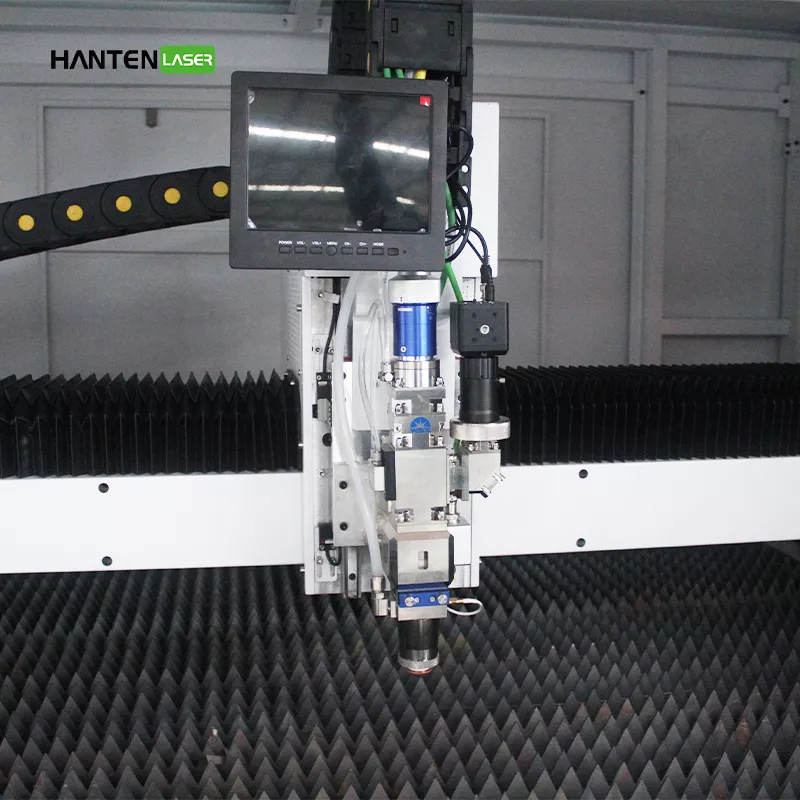
After calendaring, the electrodes are set to cut into precise shapes. In this case, the cut must be precise and done in a very controlled environment. In this case, laser cutting offers a very efficient and reliable solution. With traditional cutting methods, there is a high risk of leaving burs and rough edges. It may directly affect battery performance.
2. Battery Cell Assembly
Once the electrodes are ready, you will arrange them to create a battery cell. They act as both anode and cathode. Combining these two types of electrodes produces a working battery cell. In this case, the efficiency heavily depends on the quality of the assembly.
Poor assembly can cause devastating short circuits and lead to system failure. Therefore, assembly quality is crucial here to avoid misalignment. You should also maintain precision and cleanliness.
Electrode Stacking
The anode and cathode are stacked alternately with a separator. This separator is microporous to conduct ions. This method suits prismatic and pouch cells perfectly. The layered arrangement maximizes capacity by using space efficiently.
Cell Winding
Winding refers to continuously rolling electrodes with a separator around a spindle. This type of cell winding is ideal for cylindrical batteries, providing the best design and compact size. In this case, make sure to maintain a consistent tension during winding.
Tab and Electrode Welding
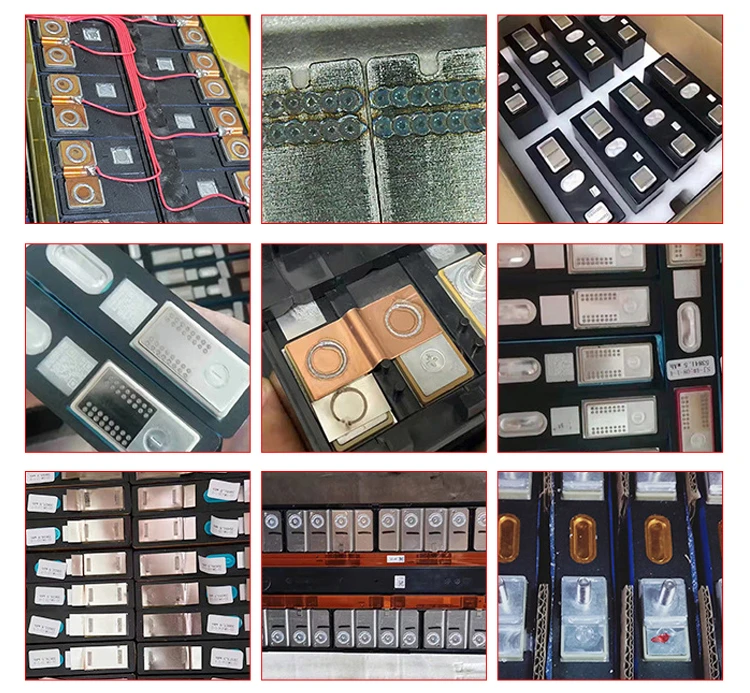
Tabs connect the electrodes to the external circuit. They actually carry current between the battery cell and the circuit. The positive terminals are all connected, and so are the negative ones. A welding process does this work. In this case, a weak weld can increase electrical resistance. It may also increase the heat and sometimes may be a reason for connection failure. Therefore, it is important to ensure accurate and reliable welding.
Laser welding is one of the best methods to join tabs and electrodes. It uses a laser beam that creates a strong and clean weld. One of the best things about laser welding is its controlled heat and less HAZ. This way, your battery cells are protected.
Fiber laser welding also offers fast processing and consistent welding. It is well suited for thin tabs and delicate electrode connections.
3. Battery Cell Cleaning and Surface Preparation
Throughout the entire process, battery components must be properly cleaned. If they contain dust, dirt, and other chemical residues, they can affect long-term performance. Contamination also leads to safety risks during battery use. Using traditional cutting and welding processes often leaves residues and moisture. Thus, it increases extra steps and slows production.
To avoid delays and hectic extra steps, laser cleaning is an effective solution. It offers high-speed cleaning without any physical contact. There is no chance of material waste or delicate surface damage. It’s eco-friendly and does not use any consumable that leaves residue later. Overall, it’s the best option among other methods.
4. Cell Sealing and Battery Component Welding
Cell sealing and welding are both critical for battery components. They lock active materials inside the battery system. Sealing protects electrolytes and prevents leakage. Poor sealing lowers battery life and safety. Strong welds are also necessary to secure components and ensure stability. Quality should be the main priority for long-term reliability.
Cell Sealing
Cell sealing ensures proper isolation from the outside environment. It prevents electrolytes from leaking out and protects the inside from moisture and dust. This way, a proper seal keeps the inside battery system stable.
Battery Casing Welding
Battery casings are outer shells that are used to protect the inner cells. Welding battery casings can be done with various welding methods. Traditional arc welding may produce extreme heat. It may warp the casing and may damage the cells inside. In this situation, laser welding is an excellent and efficient solution.
Laser welding provides low heat transfer and deep welding without causing damage. Consequently, this method improves safety and battery life.
5. Battery Module Assembly
Battery modules are groups of cells made into larger units. The battery module assembly is the foundation of the pack.
Quality assembly ensures uniform electricity distribution. In this case, proper alignment is necessary. Otherwise, every connection may lose its strength and cause poor performance.
6. EV Battery Traceability and Shipping
Traceability is essential for manufacturers to track their products. Each trace should last from the start to the end of the life cycle. It also helps track a cell’s history, test results, and material origins in the supply chain.
EV batteries can be marked with various methods. You can either use stickers, paints, or other coatings. However, these methods are not effective and not durable. Laser marking works well here. It can create permanent, clean, and sharp codes on battery parts. These marks can easily resist moisture, daily use, and other harsh weather conditions.

Importance of Laser Devices in EV Battery Manufacturing Industry
Laser devices are widely used in EV battery manufacturing. They are used to cut electrodes, clean battery cells, weld tabs, and mark parts for traceability. Compared to other traditional methods, there are various reasons why you should go for lasers.
High Precision
Laser cutting and welding are widely recognized across different regions for their precision. They operate at a microscopic level and deliver sharp, flawless results. Performance remains identical and consistent for every cycle.
Minimal Thermal Damage
A laser delivers concentrated energy to a targeted, tiny spot. The surrounding portion remains safe and unheated. You do not need to worry about material warping or deformation in EV battery manufacturing. It’s a safe process with higher thermal management.
Non-Contact Processing
Laser systems are also quite popular among manufacturers for non-contact processing. Since there is no cutting tool contact, the battery part stays structurally sound. In every EV battery manufacturing process, laser is the best option.
Clean Surface Preparation
A laser machine uses a short burst of energy to clean. It instantly vaporizes oil, dirt, and other forms of contamination. With it, you can remove oxide layers as well.
This dry method uses no harmful chemicals. Consequently, there is no chance of leaving messy residue later in EV battery manufacturing.
Reliable Battery Welding
Laser welding provides deep, narrow, and seamless welding. Remarkably, the electrical resistance remains low during welding. Each weld form is highly strong and leak-proof. The outer weld shell can easily resist road stress and vibration over time. Therefore, laser welding is a top-tier choice for EV battery manufacturing.
Faster Production
Laser systems are highly automated. From cutting and cleaning to welding, you can complete each task in milliseconds. This rapid speed improves EV battery manufacturing throughput. It helps large factories meet massive production demand easily.
Permanent Traceability
Laser marking etches high-contrast, crisp, sharp marks on metal parts. They remain readable for the lifetime of use. Furthermore, these marks can survive heat and handling. Such traceability provides reliable tracking for the product’s lifespan.
Easy Automation
If needed, you can integrate the laser optics with robotic arms. It allows continuous operation for 24/7 production. Many EV battery manufacturing factories and other sectors use it for large-scale orders.
Conclusion
EV battery manufacturing process requires extreme precision at every stage. From electrodes to final stacking, precision matters a lot here. The above sections cover every step systematically, with clear guidelines. Laser technologies play a key role throughout the EV battery manufacturing process. Their involvement is replacing traditional methods. Thus, EV batteries are becoming far cheaper, safer, and far more efficient.
If you need any further information on EV battery manufacturing, contact us. Don’t hesitate to reach out. Our technical experts are always ready to assist you.