Laser marking has a wide range of applications across different sectors. People prefer this technology because of its precision, better results, and clean, sharp texture. Using a laser, you can typically mark parts and components in various ways. Laser etching, engraving, and marking are three of the most common ways. “Laser Etching vs Engraving vs Marking: Which is better?” is what we are going to explain today.
Each of these methods works differently, and their goals are also different. They are often used interchangeably. If you don’t know how they work, it is normal to be confused. As a result, it makes it even harder to choose the right method for your project. For this reason, you must be able to distinguish each method. Understanding these differences helps you select the best option for your needs.
What is Laser Etching?
Laser etching is one of the most common types of laser marking. It mainly changes the surface texture with the help of a highly focused laser beam. The focused beam typically creates rapid heat, which melts the surface material. In laser etching, the molten material doesn’t vaporize. It stays there and creates a dark mark without a deep cut. So, it reshapes the surface and works best on metals and coated surfaces.
Laser etching is ideal for adding serial numbers, barcodes, logos, and text. With this method, you can typically produce three different types of colors: grey, white, and black. The exact color can be controlled via laser power, speed, and cooling time. It mainly depends on how much energy the material absorbs and reflects at the same time.

Benefits
- Laser etching is naturally fast compared to other laser marking methods. It is ideal for integrating with high-speed production lines
- This marking method is also ideal for large-scale manufacturing.
- Laser etching is a versatile method. It works on many materials, including aluminum, wood, plastics, and more.
- Since laser etching doesn’t require vaporizing, it doesn’t require high power for the job as we need for laser engraving.
- This method also reduces the risk of damaging materials because of low heat input.
Limitations
- Laser etching might not offer you a durable solution as laser engraving or other laser marking methods. The marks are easy to wear out and not suitable for parts exposed to heavy friction.
- Laser-etched components are not suitable for use in extreme environments.
What is Laser Engraving?
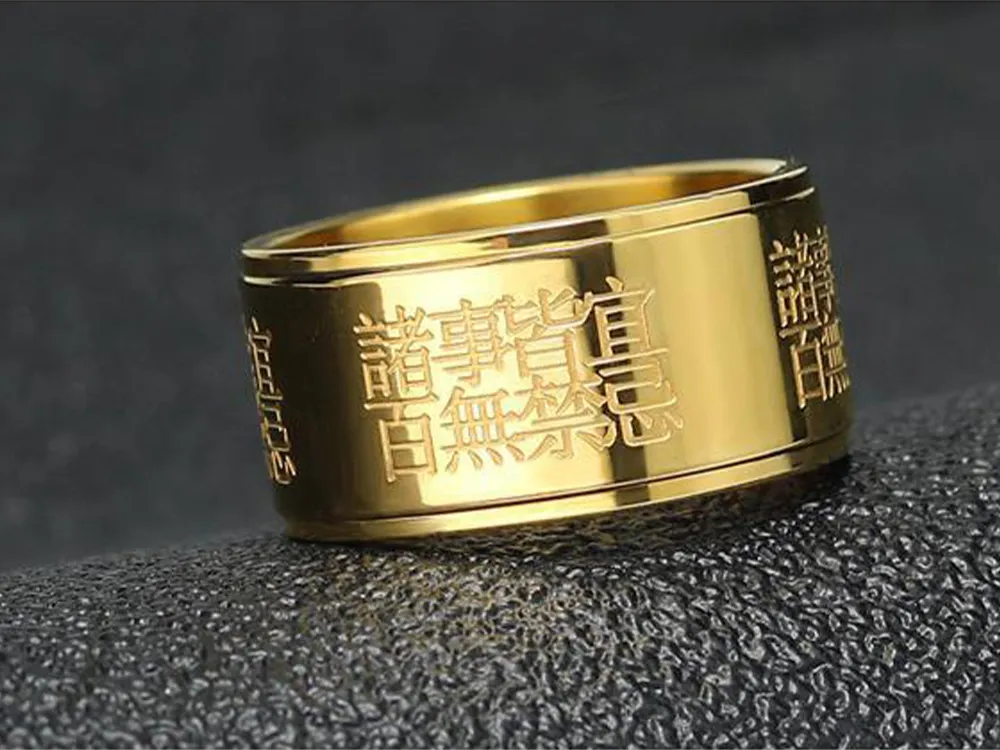
Laser engraving is popular among manufacturers for its durability and precision. Unlike laser etching and marking, the method focuses only on removing the top layer to cut a mark. This method works great for customized work like nameplates and awards. Common application industries include electronics, medical, automotive, aerospace, and so on.
High-intensity light energy strikes the material surface, surpassing the material’s melting point and vaporizing it instantly. This process transforms the solid layer into vapor by sublimation. Here, the laser follows a directed path and does the same to the targeted area, leaving clean cavities. Consequently, it results in precise, deep cavities that fit the design.
Benefits
- Laser engraving offers one of the most durable forms of marking. It remains readable and sharp against corrosion, wear, and abrasion.
- The engraved mark remains legible after painting, coating, and electroplating.
- This method works on various types of metals, wood, ceramics, glass, and many more. Its high-quality grooves are suitable for serial codes and mold inserts.
Limitations
- Laser engraving often takes more time than laser marking because it creates a deeper engraving.
- It also requires higher power, resulting in high energy consumption. This high energy consumption keeps electricity bills high.
- Using intense heat can cause deformation and thermal stress in thin materials.
- The Initial equipment cost is higher too.
What is Laser Marking?
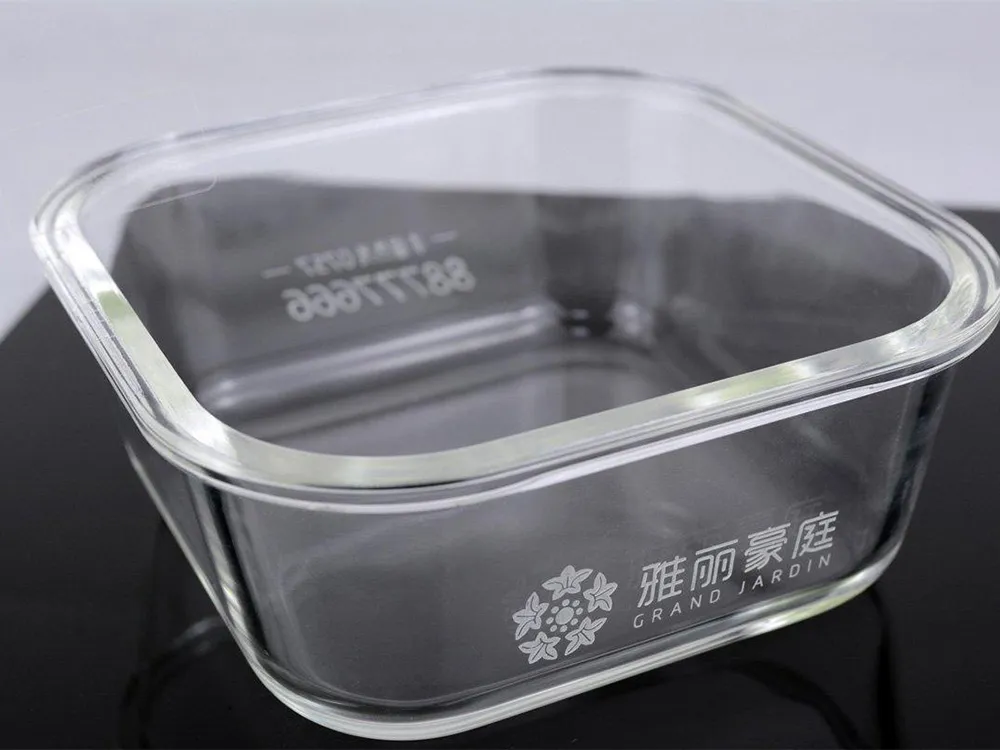
Laser marking, in a broader sense, is applying marks to a surface using a laser beam. This method includes several marking techniques, such as annealing, foaming, ablation, etching, and engraving. In general, it works at the surface level and only alters the surface instead of removing any substrate.
The process uses a controlled beam to interact with the surface and changes the color without melting it. For metals, the controlled beam creates heat that causes oxidation, resulting in a dark, annealed mark. For plastics, the laser causes a chemical reaction that alters the color. This process only changes the material surface and leaves other portions untouched.
Benefits
- Laser marking is widely used and quite popular for its speed and efficiency.
- There is no chance of losing material integrity. Delicate material remains safe with laser marking.
- Its lack of surface roughness makes the process ideal for electronics and medical-grade devices. Overall, it’s a reliable option for treatability.
Limitations
- Laser marking offers lower resistance than engraving and etching.
- It can fade over time and wear off when exposed to heavy surface friction and abrasion.
- The process only works on a few thermally reactive materials. Examples include stainless steel, titanium, and certain polymers.
- It cannot produce deep marks and is unsuitable for parts that go through post-processing coating.
Laser Etching VS Laser Engraving VS Laser Marking: Which one is better?
There is no single best option. Each laser marking process is best suited to different purposes and application requirements. The right choice mainly depends on your project preferences. Most importantly, you should consider durability, budget, and performance. Let’s point those factors out and discuss which method is better.
Material Type
The right laser marking method heavily depends on what materials you are using. As you know, each laser marking method works differently with various material types.
Laser etching and a few laser marking methods work best on heat-sensitive materials. You may consider plastics, woods, thin parts, and melt-sensitive components. Laser etching and marking are also ideal for raw and coated materials, such as anodized or coated aluminum. On the other hand, laser engraving would be better for regular metals, such as steel and titanium.
Depth Requirements
Depth requirements also guide the right lasering process. Since laser marking does not remove any substrate from the surface, it leaves a flat layer. Only oxidation causes a mark here. Laser etching provides shallow depth up to 0.001 inches by melting the target top layer and causing expansion.
Laser engraving creates deep grooves by removing substrate up to 0.020 inches or more. You choose engraving when deep cavities are mandatory to highlight your mark and increase resistivity.
Durability
Durability indicates long-term legibility. Not all products require long-term durability. It depends on application needs. As mentioned earlier, laser marking offers moderate durability, which can fade over time and wear off with high friction. Laser etching offers fair durability, but these etched marks can smooth out via abrasive weather.
Compared to these two options, laser engraving ensures maximum durability. It can withstand extreme weather, mechanical wear, and friction as well.
Production Volume
For high-volume production, you will need a faster solution. Laser etching works at higher rates and is extremely fast, making it suitable for large-volume assembly lines. Laser marking also works fast but is considered ideal for rapid part tracking.
Laser engraving is comparatively slower and may require multiple passes on dense material for proper engraving. Thus, the process makes it ideal for low- to medium-range projects.
Budget
Budget affects etching quality, time, and operating costs. When you select a laser marking machine with a 20 to 30 W system, it keeps your initial investment low. While laser etching offers a moderate price range with higher speed, it eventually cuts per-part costs.
Laser engraving needs higher-power laser machines (50 to 100+ W), resulting in a higher upfront cost. Moreover, the energy consumption rate remains high, keeping electricity bills high.
Finishing needs
Post-processing finishing steps heavily influence your decision and affect the final quality of the product. Laser marking produces clean, smooth, and sanitary marks that do not require post-processing, making it perfect for medical tools. Laser etching creates raised, microscopic, textured marks.
But laser engraving creates deep, clean, and sharp marks that remain legible even after painting, anodizing, or applying secondary coatings. Suitable for parts that require post-finishing.
Turnaround Time
Turnaround time depends on how fast the laser beam processes each unit. The laser etching method provides a fast turnaround because the beam melts the surface quickly in a single pass. Laser marking also works similarly, changing the surface color through a quick thermal reaction.
In this case, laser engraving shows the slowest turnaround because it engraves layer by layer to meet the required depth. But the quality is top-notch.
Equipment Availability
Equipment availability varies across different manufacturing sectors. Not all laser machines support every process. Fiber lasers can handle both laser marking and etching and are a widely available, cost-effective option. Universal marking machines integrate easily into production lines.
For heavy-duty engraving, you can choose CO2 lasers. They support engraving non-metals like wood, glass, fabric, plastics, and others. For this reason, always check your production capabilities before choosing a machine. Some machines may handle all three processes. Make sure to confirm compatibility with your material and desired outcome.
Conclusion
There is no single method that is better for every application. All three laser methods have both limitations and advantages. You have gone through the comparison and suitability, whether it’s between laser etching vs engraving or laser marking vs laser engraving. Understanding these differences helps you choose the right method and avoid costly mistakes.
If you have any questions, feel free to contact our customer support team.